Dr. Deena Emera
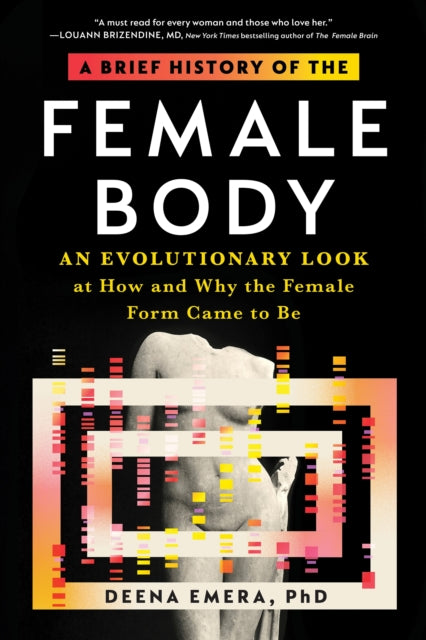
A Brief History of the Female Body: An Evolutionary Look at How and Why the Female Form Came to Be
A Brief History of the Female Body: An Evolutionary Look at How and Why the Female Form Came to Be
💎 Earn 53 Points (£0.53) on this item.
YOU SAVE £4.38
- Condition: Brand new
- UK Delivery times: Usually arrives within 2 - 3 working days
- UK Shipping: Fee starts at £2.39. Subject to product weight & dimension
Bulk ordering. Want 15 or more copies? Get a personalised quote and bigger discounts. Learn more about bulk orders.
Couldn't load pickup availability
- More about A Brief History of the Female Body: An Evolutionary Look at How and Why the Female Form Came to Be
The female body is a complex and fascinating subject that has evolved over millions of years. Dr. Deena Emera's book "A Brief History of the Female Body" explores the mysteries of the female body through an evolutionary lens, explaining how and why it has transformed and its effects on women's health.
Format: Paperback / softback
Length: 400 pages
Publication date: 15 September 2023
Publisher: Sourcebooks, Inc
From breasts and orgasms to periods, pregnancies, and menopause, A Brief History of the Female Body is a captivating science book that delves into the mysteries of the female body through an evolutionary lens.
Let us acknowledge the enigmatic nature of the female body. For teenagers embarking on their menstrual journey, the monthly arrival of mood swings and cramps can be painful and disruptive. Pregnancy, arguably the most extraordinary bodily event, brings with it a myriad of potential complications, including high blood pressure, diabetes, premature birth, and postpartum depression. And menopause is equally perplexing. Why do females experience a decline in fertility over time, accompanied by the notorious side effects such as hot flashes, weight gain, and hair loss, while males retain their fertility indefinitely?
Evolutionary geneticist and educator Dr. Deena Emera has dedicated her career to studying the evolution of female reproduction. A Brief History of the Female Body harnesses her extensive expertise as a biologist, her experience as a mother of four children, and her passion for teaching to delve deep into our evolutionary past, shedding light on how and, more importantly, why the female form has evolved over millions of years and its profound impact on women's health.
The book begins by exploring the origins of the female body, tracing its development from the primordial stages of life to the present day. It examines the various anatomical and physiological changes that have occurred over time, including the growth of the uterus, the development of the breast, and the evolution of the reproductive system.
Emera also delves into the hormonal changes that occur during the menstrual cycle, the reproductive cycle, and pregnancy. She explains how these changes have evolved to ensure the survival of the species and how they have impacted women's health throughout history.
One of the key themes of the book is the impact of evolution on female sexuality. Emera argues that the female body has evolved to be sexually attractive to males, with features such as large breasts, wide hips, and a curvaceous figure. These features are designed to attract and stimulate males, increasing the likelihood of reproduction.
However, Emera also points out that the sexualization of the female body has had negative consequences for women. She argues that the pressure to conform to societal beauty standards can lead to body dysmorphia, low self-esteem, and even depression. Women who do not fit the ideal body type may face discrimination and social exclusion, which can have a profound impact on their mental and physical health.
Another important theme of the book is the impact of pregnancy and childbirth on women's health. Emera explains how the female body has evolved to accommodate the demands of pregnancy and childbirth, including the development of the placenta, the expansion of the uterus, and the changes in hormone levels.
However, Emera also highlights the potential risks and complications associated with pregnancy and childbirth, such as high blood pressure, gestational diabetes, and postpartum depression. She argues that these risks and complications are a result of the female body's evolutionary adaptations, which have evolved to ensure the survival of the species but may have negative consequences for women's health.
Menopause is another significant topic covered in the book. Emera explains how the female body has evolved to prepare for the cessation of reproductive function, including the decline in hormone production and the changes in the menstrual cycle.
However, Emera also points out that menopause can have negative side effects, such as hot flashes, mood swings, and sleep disturbances. She argues that these side effects are a result of the female body's evolutionary adaptations, which have evolved to ensure the survival of the species but may have negative consequences for women's health.
In conclusion, A Brief History of the Female Body is a fascinating and informative book that delves into the mysteries of the female body through an evolutionary lens. By exploring the origins of the female body, the hormonal changes that occur during different stages of life, and the impact of evolution on female sexuality, pregnancy, and menopause, Emera provides a comprehensive understanding of the female body's complex and fascinating history.
The book is written in a clear and accessible style, making it accessible to readers of all backgrounds and levels of education. Emera's expertise as a biologist and educator shines through, and her passion for teaching is evident in every page.
One of the strengths of the book is its ability to connect the dots between different aspects of the female body and the broader context of evolution. Emera explains how the female body's adaptations have evolved to ensure the survival of the species but may have negative consequences for women's health. She also highlights the ways in which women can take care of their bodies and promote their health, including through exercise, healthy eating, and stress management.
Another strength of the book is its ability to address the complex and often taboo topics surrounding female sexuality, pregnancy, and menopause. Emera provides a nuanced and respectful approach to these topics, challenging societal norms and promoting a more inclusive and understanding perspective on women's health.
In conclusion, A Brief History of the Female Body is a must-read for anyone interested in understanding the female body and its evolution. By providing a comprehensive and accessible account of the female body's history, adaptations, and challenges, Emera empowers readers to take control of their health and promote a more inclusive and understanding perspective on women's health.
Dimension: 210 x 140 (mm)
ISBN-13: 9781728275154
This item can be found in:
UK and International shipping information
UK and International shipping information
UK Delivery and returns information:
- Delivery within 2 - 3 days when ordering in the UK.
- Shipping fee for UK customers from £2.39. Fully tracked shipping service available.
- Returns policy: Return within 30 days of receipt for full refund.
International deliveries:
Shulph Ink now ships to Australia, Belgium, Canada, France, Germany, Ireland, Italy, India, Luxembourg Saudi Arabia, Singapore, Spain, Netherlands, New Zealand, United Arab Emirates, United States of America.
- Delivery times: within 5 - 10 days for international orders.
- Shipping fee: charges vary for overseas orders. Only tracked services are available for most international orders. Some countries have untracked shipping options.
- Customs charges: If ordering to addresses outside the United Kingdom, you may or may not incur additional customs and duties fees during local delivery.