Shulph Ink
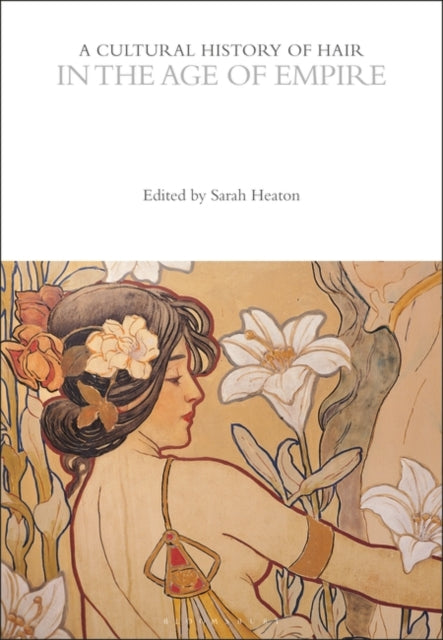
A Cultural History of Hair in the Age of Empire
A Cultural History of Hair in the Age of Empire
💎 Earn 123 Points (£1.23) on this item.
We can order this item for you. Delivery usually takes about 4 to 6 weeks.
This item is not held in our immediate stock. We will order it for you after checkout.
Estimated delivery: About 4 to 6 weeks
YOU SAVE £3.22
- Condition: Brand new
- UK Delivery times: Usually arrives within 2 - 3 working days
- UK Shipping: Fee starts at £2.39. Subject to product weight & dimension
Bulk ordering. Want 15 or more copies? Get a personalised quote and bigger discounts. Learn more about bulk orders.
Couldn't load pickup availability
- More about A Cultural History of Hair in the Age of Empire
The book explores the history of hair from the 19th and early 20th centuries, including its fetishization, spiritual connections, and cultural representations. It covers various aspects such as religion, self and society, fashion and adornment, production and practice, health and hygiene, gender and sexuality, race and ethnicity, class and social status, and cultural representations.
Format: Paperback / softback
Length: 232 pages
Publication date: 25 August 2022
Publisher: Bloomsbury Publishing PLC
“A rich, intricate, and deliciously unique history of hair.” Times Literary Supplement
The hair of the 19th and early 20th centuries is omnipresent when one begins to explore, from the abundant locks of the pre-Raphaelites to the numerous objects on display at the Great Exhibitions. The latter, held at venues such as the Crystal Palace, hinted at the scale of global hair trade, encompassing hair harvest, hairpieces, and hairwork, as well as commodities for styling and adornment. During this time, hair was fetishized in various ways, from fashioning hair to moralizing constriction, from suggestions of sexuality in abundant, free-flowing locks to intricate hair-incorporating jewelry that offered spiritual connections to the dead. In an era of increasing globalization and associated anxieties, hair emerged as a means of expressing identity not just for individuals but for different cultures.
Undoubtedly, hair itself became a contested site of signification, whether as the strands of the diaspora, the cut locks of the underclass, or the coiffures of the court. A Cultural History of Hair in the Age of Empire provides an overview of the tangled tresses of hair during this period, with essays covering:
Religion and Ritualized Belief
Self and Society
Fashion and Adornment
Production and Practice
Health and Hygiene
Gender and Sexuality
Race and Ethnicity
Class and Social Status
Cultural Representations
The rich tapestry of hair history in the 19th and early 20th centuries is a testament to the diverse and multifaceted ways in which hair has been used to express identity, culture, and society. From the pre-Raphaelites' abundant locks to the Great Exhibitions' display of hair-related objects, the era was marked by a fetishization of hair that extended from fashion and adornment to spiritual connections and cultural representations. As globalization continued to shape the world, hair became a contested site of signification, representing the strands of the diaspora, the cut locks of the underclass, and the coiffures of the court.
In A Cultural History of Hair in the Age of Empire, a collection of essays by experts in the field, readers are offered a comprehensive overview of the tangled tresses of hair during this period. The essays cover a wide range of topics, from religion and ritualized belief to self and society, fashion and adornment, production and practice, health and hygiene, gender and sexuality, race and ethnicity, class and social status, and cultural representations. Each essay provides a deep dive into the significance of hair in different cultures and societies, exploring how it has been used to express identity, power, and social status.
One of the key themes explored in the book is the role of hair in religious and ritualized belief. Hair has long been associated with spirituality and the divine, and in many cultures, it is considered a sacred part of the body. The essays discuss how hair has been used in religious ceremonies, such as the cutting of hair as a sign of devotion or the wearing of hairpieces as a symbol of religious authority. They also explore how hair has been used in rituals of purification and transformation, such as the shaving of the head in certain religious traditions.
Another important theme is the relationship between hair and self-identity. Hair has been used to express personal style, cultural heritage, and social status, and it can play a significant role in shaping one's sense of self. The essays discuss how hair has been used to create and maintain boundaries between different groups and cultures, as well as how it has been used to challenge and subvert dominant narratives. For example, the use of dreadlocks by African Americans has been a symbol of resistance and cultural identity, while the use of wigs and hairpieces by women has been used to challenge traditional gender norms and assert their power.
Fashion and adornment are also central to the history of hair. Hair has been used to create and enhance beauty, as well as to express cultural and social identity. The essays discuss how hair has been used in fashion trends, from the elaborate hairstyles of the Victorian era to the bold and daring styles of the 1960s and 1970s. They also explore how hair has been used in advertising and marketing, as well as how it has been used to create and maintain cultural stereotypes. For example, the use of long, flowing hair in Western advertising has been used to promote femininity and beauty, while the use of short, curly hair in African American advertising has been used to promote strength and resilience.
Production and practice are also important aspects of the history of hair. Hair has been used in a variety of industries, from fashion and beauty to healthcare and technology. The essays discuss how hair has been harvested, processed, and styled, as well as how it has been used in scientific research and medical treatments. They also explore how hair has been used in artistic and cultural practices, such as hairwork and hair sculpture. For example, the use of hair in traditional African art has been used to create powerful and meaningful sculptures that express cultural identity and spirituality.
Health and hygiene are also important topics covered in the book. Hair can be a source of bacteria and other pathogens, and it can be affected by a variety of environmental factors, such as pollution and heat. The essays discuss how hair has been used in healthcare practices, such as hair analysis for medical diagnosis and hair restoration for medical treatments. They also explore how hair has been used in hygiene practices, such as the use of hairbrushes and combs to keep hair clean and healthy.
Gender and sexuality are also central to the history of hair. Hair has been used to express and reinforce gender norms and stereotypes, as well as to challenge and subvert them. The essays discuss how hair has been used to create and maintain boundaries between men and women, as well as how it has been used to challenge and subvert traditional gender roles. For example, the use of long, flowing hair in Western advertising has been used to promote femininity and beauty, while the use of short, curly hair in African American advertising has been used to promote strength and resilience.
Race and ethnicity are also important topics covered in the book. Hair has been used to express and reinforce racial and ethnic identity, as well as to challenge and subvert them. The essays discuss how hair has been used to create and maintain boundaries between different races and ethnicities, as well as how it has been used to challenge and subvert dominant narratives. For example, the use of dreadlocks by African Americans has been a symbol of resistance and cultural identity, while the use of wigs and hairpieces by women has been used to challenge traditional gender norms and assert their power.
Class and social status are also important aspects of the history of hair. Hair has been used to express and reinforce social hierarch. The essays discuss how hair has been used to create and maintain boundaries between different social classes, as well as how it has been used to challenge and subvert dominant narratives. For example, the use of long, flowing hair in Western advertising has been used to promote femininity and beauty, while the use of short, curly hair in African American advertising has been used to promote strength and resilience.
Cultural representations are also important topics covered in the book. Hair has been used to express and reinforce cultural values and beliefs, as well as to challenge and subvert them. The essays discuss how hair has been used to create and maintain cultural stereotypes and norms, as well as how it has been used to challenge and subvert them. For example, the use of long, flowing hair in Western advertising has been used to promote femininity and beauty, while the use of short, curly hair in African American advertising has been used to promote strength and resilience.
In conclusion, A Cultural History of Hair in the Age of Empire is a comprehensive and insightful exploration of the tangled tresses of hair in the 19th and early 20th centuries. The book provides a rich and nuanced understanding of the significance of hair in different cultures and societies, from religious and ritualized belief to self and society, fashion and adornment, production and practice, health and hygiene, gender and sexuality, race and ethnicity, class and social status, and cultural representations. By exploring the various ways in which hair has been used to express identity, power, and social status, the book offers a valuable contribution to our understanding of the complex and multifaceted history of hair. Whether one is interested in fashion, religion, history, or culture, this book is a must-read for anyone seeking to gain a deeper understanding of the tangled tresses of hair in the 19th and early 20th centuries.
Weight: 464g
Dimension: 244 x 169 x 16 (mm)
ISBN-13: 9781350285880
UK and International shipping information
UK and International shipping information
UK Delivery and returns information:
- Delivery within 2 - 3 days when ordering in the UK.
- Shipping fee for UK customers from £2.39. Fully tracked shipping service available.
- Returns policy: Return within 30 days of receipt for full refund.
International deliveries:
Shulph Ink now ships to Australia, Belgium, Canada, France, Germany, Ireland, Italy, India, Luxembourg Saudi Arabia, Singapore, Spain, Netherlands, New Zealand, United Arab Emirates, United States of America.
- Delivery times: within 5 - 10 days for international orders.
- Shipping fee: charges vary for overseas orders. Only tracked services are available for most international orders. Some countries have untracked shipping options.
- Customs charges: If ordering to addresses outside the United Kingdom, you may or may not incur additional customs and duties fees during local delivery.