WalterVeit
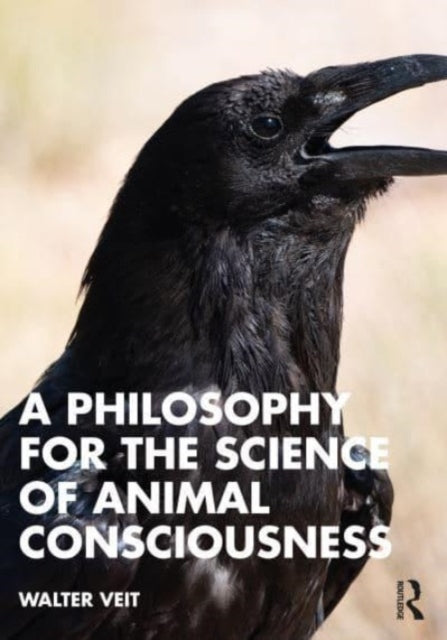
A Philosophy for the Science of Animal Consciousness
A Philosophy for the Science of Animal Consciousness
💎 Earn 207 Points (£2.07) on this item.
YOU SAVE £2.47
- Condition: Brand new
- UK Delivery times: Usually arrives within 2 - 3 working days
- UK Shipping: Fee starts at £2.39. Subject to product weight & dimension
Bulk ordering. Want 15 or more copies? Get a personalised quote and bigger discounts. Learn more about bulk orders.
Couldn't load pickup availability
- More about A Philosophy for the Science of Animal Consciousness
The book develops an original philosophy for the science of animal consciousness, advocating a Darwinian bottom-up approach that treats consciousness as a complex, evolved phenomenon in nature.
Format: Paperback / softback
Length: 144 pages
Publication date: 16 June 2023
Publisher: Taylor & Francis Ltd
This book presents an innovative and groundbreaking philosophy for the study of animal consciousness. It advocates for a Darwinian bottom-up approach, which treats consciousness as a multifaceted and evolved phenomenon within the natural world. Rather than viewing consciousness as a mysterious and all-or-nothing property that is immune to scientific investigation and confined to a single species, this approach recognizes the richness and diversity of consciousness across different animal species.
The author of this book argues that consciousness is not a fixed or universal trait, but rather a product of the complex interplay of biological, psychological, and environmental factors. By adopting a bottom-up approach, the author aims to unravel the intricate mechanisms that underlie animal consciousness and shed light on the diverse range of cognitive abilities and behaviors observed in the animal kingdom.
One of the key insights of this philosophy is that consciousness is not solely the result of the brain's activity, but also involves the body's sensory and motor systems. The author argues that animals use their bodies as tools for perception, communication, and action, and that these bodily experiences contribute to the development and refinement of their consciousness. For example, the author suggests that the sensation of touch plays a crucial role in shaping an animal's perception of the world and its interactions with other organisms.
Another important aspect of this philosophy is the recognition of the role of evolution in the development of consciousness. The author argues that consciousness is an adaptation that has evolved over millions of years to help animals survive and thrive in their environments. By understanding the evolutionary origins of consciousness, we can gain a deeper appreciation for the complexity and diversity of animal behavior and cognition.
The book also explores the ethical implications of studying animal consciousness. The author argues that we have a moral obligation to treat animals with respect and dignity and to ensure that their welfare is protected. By studying animal consciousness, we can gain insights into the nature of human consciousness and develop new strategies for promoting animal welfare and improving human-animal relationships.
In conclusion, this book presents a novel and transformative philosophy for the study of animal consciousness. By adopting a bottom-up approach and recognizing the role of evolution, the author aims to shed light on the complex and diverse nature of animal consciousness and to promote a deeper understanding of the relationship between animals and humans. This philosophy has the potential to revolutionize our understanding of the animal kingdom and to inspire new approaches to animal welfare and conservation.
This book presents an innovative and groundbreaking philosophy for the study of animal consciousness. It advocates for a Darwinian bottom-up approach, which treats consciousness as a multifaceted and evolved phenomenon within the natural world. Rather than viewing consciousness as a mysterious and all-or-nothing property that is immune to scientific investigation and confined to a single species, this approach recognizes the richness and diversity of consciousness across different animal species.
The author of this book argues that consciousness is not a fixed or universal trait, but rather a product of the complex interplay of biological, psychological, and environmental factors. By adopting a bottom-up approach, the author aims to unravel the intricate mechanisms that underlie animal consciousness and shed light on the diverse range of cognitive abilities and behaviors observed in the animal kingdom.
One of the key insights of this philosophy is that consciousness is not solely the result of the brain's activity, but also involves the body's sensory and motor systems. The author argues that animals use their bodies as tools for perception, communication, and action, and that these bodily experiences contribute to the development and refinement of their consciousness. For example, the author suggests that the sensation of touch plays a crucial role in shaping an animal's perception of the world and its interactions with other organisms.
Another important aspect of this philosophy is the recognition of the role of evolution in the development of consciousness. The author argues that consciousness is an adaptation that has evolved over millions of years to help animals survive and thrive in their environments. By understanding the evolutionary origins. origins of consciousness, we can gain a deeper appreciation for the complexity and diversity of animal behavior and cognition.
The book also explores the ethical implications of studying animal consciousness. The author argues that we have a moral obligation to treat animals with respect and dignity and to ensure that their welfare is protected. By studying animal consciousness, we can gain insights into the nature of human consciousness and develop new strategies for promoting animal welfare and improving human-animal relationships.
In conclusion, this book presents a novel and transformative philosophy for the study of animal consciousness. By adopting a bottom-up approach and recognizing the role of evolution, the author aims to shed light on the complex and diverse nature of animal consciousness and to promote a deeper understanding of the relationship between animals and humans. This philosophy has the potential to revolutionize our understanding of the animal kingdom and to inspire new approaches to animal welfare and conservation.
Weight: 322g
Dimension: 177 x 254 x 14 (mm)
ISBN-13: 9781032343617
This item can be found in:
UK and International shipping information
UK and International shipping information
UK Delivery and returns information:
- Delivery within 2 - 3 days when ordering in the UK.
- Shipping fee for UK customers from £2.39. Fully tracked shipping service available.
- Returns policy: Return within 30 days of receipt for full refund.
International deliveries:
Shulph Ink now ships to Australia, Belgium, Canada, France, Germany, Ireland, Italy, India, Luxembourg Saudi Arabia, Singapore, Spain, Netherlands, New Zealand, United Arab Emirates, United States of America.
- Delivery times: within 5 - 10 days for international orders.
- Shipping fee: charges vary for overseas orders. Only tracked services are available for most international orders. Some countries have untracked shipping options.
- Customs charges: If ordering to addresses outside the United Kingdom, you may or may not incur additional customs and duties fees during local delivery.