Shulph Ink
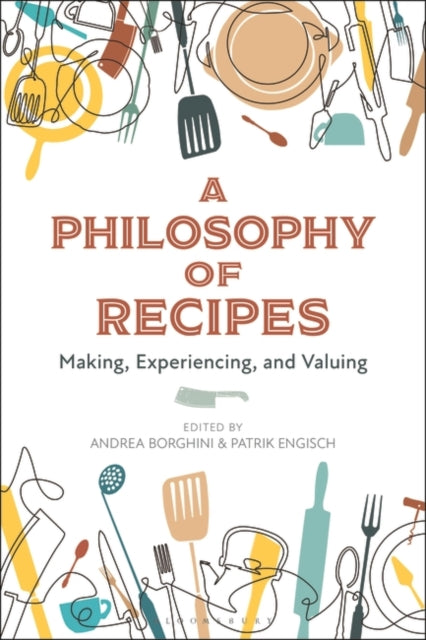
A Philosophy of Recipes: Making, Experiencing, and Valuing
A Philosophy of Recipes: Making, Experiencing, and Valuing
💎 Earn 159 Points (£1.59) on this item.
We can order this item for you. Delivery usually takes about 4 to 6 weeks.
This item is not held in our immediate stock. We will order it for you after checkout.
Estimated delivery: About 4 to 6 weeks
- Condition: Brand new
- UK Delivery times: Usually arrives within 2 - 3 working days
- UK Shipping: Fee starts at £2.39. Subject to product weight & dimension
Bulk ordering. Want 15 or more copies? Get a personalised quote and bigger discounts. Learn more about bulk orders.
Couldn't load pickup availability
- More about A Philosophy of Recipes: Making, Experiencing, and Valuing
This volume explores the cross-disciplinary nature of recipes, examining their values, norms, and relationship to culture, aesthetics, and ethics. It sheds light on the complex questions raised about culinary appropriation and the interplay between aesthetics and ethics in recipe making, with contributions from experts in various disciplines.
Format: Paperback / softback
Length: 296 pages
Publication date: 24 August 2023
Publisher: Bloomsbury Publishing PLC
This comprehensive volume explores the multifaceted nature and identity of recipes from a diverse range of disciplines. Contributors delve into the values and norms that shape the naming, production, and consumption of recipes, examining their intricate relationship with territory, makers, eaters, and places of production. Through their research, they uncover the rich conceptual and value-laden questions that arise when studying recipes, such as cultural appropriation and the interplay between aesthetics and ethics in recipe making. The book brings together experts from philosophy, law, anthropology, sociology, history, and other fields, making it an invaluable resource for anyone seeking to understand the complex world of food and the profound impact that recipes have had on culinary cultures throughout history.
Introduction:
The study of recipes has long been a rich and interdisciplinary field, drawing scholars from various disciplines such as philosophy, law, anthropology, sociology, history, and more. Recipes, as tangible expressions of culinary culture, hold immense significance in understanding the complex nature of food and the ways in which it has shaped culinary traditions throughout history. In this volume, we aim to explore the multifaceted nature and identity of recipes from a cross-disciplinary perspective, shedding light on the values and norms that govern their creation, consumption, and interpretation.
The Nature and Identity of Recipes:
Recipes serve as a means of communication and transmission of culinary knowledge, connecting individuals and communities across time and space. They encapsulate the expertise, traditions, and cultural values of a particular region or society, reflecting the history, geography, and social dynamics of a given place. Recipes can be found in various forms, including written texts, oral traditions, visual representations, and digital formats, each with its own unique characteristics and purposes.
Values and Norms in Recipe Making:
The values and norms that guide the naming, production, and consumption of recipes are deeply intertwined with the broader cultural and social contexts in which they are produced. These values may include notions of tradition, authenticity, taste, health, and sustainability, among others. Recipes are often shaped by historical events, religious beliefs, economic conditions, and social movements, reflecting the changing attitudes and values of different societies over time.
The Relationship between Recipes and Territory:
Recipes are intimately connected to the territory in which they are produced and consumed. They reflect the specific environmental conditions, agricultural practices, and culinary traditions of a region. Recipes can also be influenced by the migration of people, trade routes, and cultural exchange, leading to the development of diverse and hybrid culinary traditions.
The Role of Makers and Eaters:
Recipes are not just products of human creativity and innovation; they are also shaped by the interactions between makers and eaters. Makers, whether they are professional chefs, home cooks, or community members, bring their own experiences, perspectives, and cultural backgrounds to the recipe-making process. Eaters, on the other hand, bring their own tastes, preferences, and cultural backgrounds to the consumption of recipes, shaping the way.
Places of Production and Consumption:
Recipes are not just created and consumed within the boundaries of individual households or restaurants; they are also produced and consumed in various places, such as kitchens, markets, farms, and community centers. These places of production and consumption play a crucial role in shaping the social and cultural dynamics of food production and consumption.
Cultural Appropriation and the Interplay between Aesthetics and Ethics:
The study of recipes raises important questions about cultural appropriation and the interplay between aesthetics and ethics in recipe making. Recipes can be appropriated or misappropriated, depending on how they are interpreted and used by different individuals and communities. This can lead to the erasure of cultural heritage, the perpetuation of stereotypes, and the marginalization of certain groups. At the same time, the study of recipes also provides an opportunity to explore the ways in which aesthetics and ethics can be integrated into recipe making, promoting inclusivity, diversity, and cultural sensitivity.
Conclusion:
In conclusion, this volume addresses the nature and identity of recipes from a cross-disciplinary perspective, shedding light on the values and norms that govern their creation, consumption, and interpretation. By exploring the relationship between recipes and territory, makers and eaters, places of production and consumption, cultural appropriation, and the interplay between aesthetics and ethics, we hope to contribute to a deeper understanding of the complex world of food and the ways in which recipes have shaped culinary cultures throughout history.
Dimension: 234 x 156 (mm)
ISBN-13: 9781350270336
UK and International shipping information
UK and International shipping information
UK Delivery and returns information:
- Delivery within 2 - 3 days when ordering in the UK.
- Shipping fee for UK customers from £2.39. Fully tracked shipping service available.
- Returns policy: Return within 30 days of receipt for full refund.
International deliveries:
Shulph Ink now ships to Australia, Belgium, Canada, France, Germany, Ireland, Italy, India, Luxembourg Saudi Arabia, Singapore, Spain, Netherlands, New Zealand, United Arab Emirates, United States of America.
- Delivery times: within 5 - 10 days for international orders.
- Shipping fee: charges vary for overseas orders. Only tracked services are available for most international orders. Some countries have untracked shipping options.
- Customs charges: If ordering to addresses outside the United Kingdom, you may or may not incur additional customs and duties fees during local delivery.