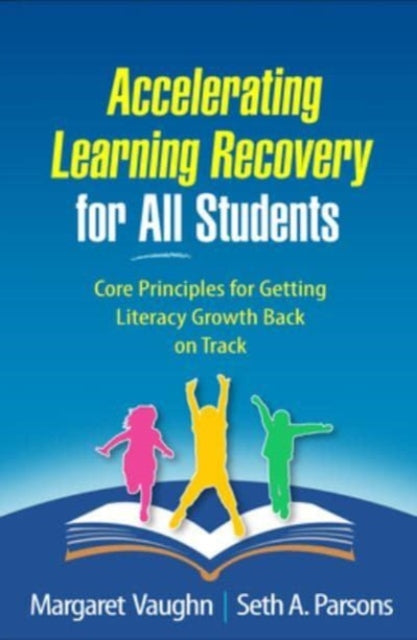
Margaret Vaughn,Seth A. Parsons
Accelerating Learning Recovery for All Students: Core Principles for Getting Literacy Growth Back on Track
Accelerating Learning Recovery for All Students: Core Principles for Getting Literacy Growth Back on Track
💎 Earn 226 Points (£2.26) on this item.
We can order this item for you. Delivery usually takes about 4 to 6 weeks.
This item is not held in our immediate stock. We will order it for you after checkout.
Estimated delivery: About 4 to 6 weeks
YOU SAVE £2.69
- Condition: Brand new
- UK Delivery times: Usually arrives within 2 - 3 working days
- UK Shipping: Fee starts at £2.39. Subject to product weight & dimension
Bulk ordering. Want 15 or more copies? Get a personalised quote and bigger discounts. Learn more about bulk orders.
Couldn't load pickup availability
- More about Accelerating Learning Recovery for All Students: Core Principles for Getting Literacy Growth Back on Track
This book provides a comprehensive approach to responsive literacy instruction to support students' academic and social-emotional growth during and after the pandemic, with relevant research findings, examples, and reflection questions.
Format: Hardback
Length: 182 pages
Publication date: 28 July 2023
Publisher: Guilford Publications
This timely book addresses a critical need for K–8 schools and educators, providing essential principles for combating the disruptions caused by the pandemic and recovering from learning loss. The authors offer a comprehensive approach to responsive literacy instruction that aims to support all students' academic and social-emotional growth, both in the immediate aftermath of the pandemic and in the future. Fundamental aspects of learning recovery are explored, including the development of schoolwide action plans, collaboration with families and communities, building collaborative literacy leadership, assessment for differentiated instruction, targeted intervention planning, and the implementation of supplemental learning programs. Each chapter includes relevant research findings, practical examples of principles in action, and reflection questions that assist educators in applying the concepts learned.
The authors recognize the profound impact of the pandemic on students' academic and emotional well-being, and they emphasize the importance of addressing the unique challenges they face. They argue that responsive literacy instruction is crucial in supporting students' academic recovery and building resilience for the future. By implementing evidence-based practices and fostering a culture of empathy and support, educators can help students overcome the learning gaps caused by the pandemic and develop the skills they need to succeed in school and beyond.
One of the key principles emphasized in the book is the development of schoolwide action plans. The authors suggest that schools should collaborate with stakeholders, including teachers, administrators, families, and community members, to identify the specific needs of their students and develop a comprehensive plan to address them. This plan should include targeted interventions, such as small group instruction, tutoring, and counseling, as well as support for teachers and administrators to ensure they have the resources and training they need to effectively implement these interventions.
Collaboration with families and communities is another critical aspect of learning recovery. The authors argue that schools should work closely with families to provide support and resources that help students succeed at home. This may include providing access to technology, educational materials, and family counseling services. By building strong partnerships with families, schools can create a sense of community and support that helps students feel valued and supported.
Building collaborative literacy leadership is another important principle discussed in the book. The authors argue that literacy leaders should be empowered to lead and support their colleagues in implementing effective literacy practices. This may include providing professional development opportunities, coaching and mentoring, and advocating for policies that support literacy instruction. By building a culture of literacy leadership, schools can ensure that all students receive high-quality literacy instruction and that their learning needs are met.
Assessment for differentiated instruction is another critical area of learning recovery. The authors suggest that educators should use a variety of assessment methods to identify the learning needs of their students and provide targeted interventions. This may include using standardized tests, classroom assessments, and performance tasks to measure student progress and identify areas where students may need additional support. By using differentiated instruction, educators can ensure that all students receive the instruction they need to succeed and that their learning needs are met.
Targeted intervention planning is another key principle discussed in the book. The authors argue that educators should develop targeted interventions that are designed to address the specific learning needs of their students. This may include providing additional support for students who are struggling with reading, writing, or math, or providing interventions that address social-emotional learning needs. By developing targeted interventions, educators can ensure that all students receive the support they need to succeed and that their learning needs are met.
Implementing supplemental learning programs is another important aspect of learning recovery. The authors suggest that schools should provide additional learning opportunities, such as summer school, after-school programs, and tutoring services, to help students catch up on their learning losses. By providing these programs, schools can help students bridge the gap between their current academic skills and their desired learning outcomes.
In conclusion, this timely book provides essential principles for combating the disruptions caused by the pandemic and recovering from learning loss. The authors offer a comprehensive approach to responsive literacy instruction that aims to support all students' academic and social-emotional growth, both in the immediate aftermath of the pandemic and in the future. By implementing evidence-based practices and fostering a culture of empathy and support, educators can help students overcome the learning gaps caused by the pandemic and develop the skills they need to succeed in school and beyond. The book is a valuable resource for K–8 schools and educators, and it is sure to be of interest to policymakers, educators, and families alike.
Weight: 140g
Dimension: 229 x 152 (mm)
ISBN-13: 9781462552290
UK and International shipping information
UK and International shipping information
UK Delivery and returns information:
- Delivery within 2 - 3 days when ordering in the UK.
- Shipping fee for UK customers from £2.39. Fully tracked shipping service available.
- Returns policy: Return within 30 days of receipt for full refund.
International deliveries:
Shulph Ink now ships to Australia, Belgium, Canada, France, Germany, Ireland, Italy, India, Luxembourg Saudi Arabia, Singapore, Spain, Netherlands, New Zealand, United Arab Emirates, United States of America.
- Delivery times: within 5 - 10 days for international orders.
- Shipping fee: charges vary for overseas orders. Only tracked services are available for most international orders. Some countries have untracked shipping options.
- Customs charges: If ordering to addresses outside the United Kingdom, you may or may not incur additional customs and duties fees during local delivery.