Shulph Ink
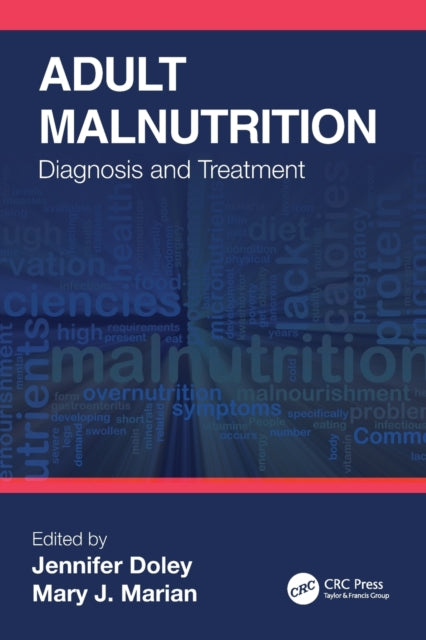
Adult Malnutrition: Diagnosis and Treatment
Adult Malnutrition: Diagnosis and Treatment
💎 Earn 240 Points (£2.40) on this item.
YOU SAVE £2.86
- Condition: Brand new
- UK Delivery times: Usually arrives within 2 - 3 working days
- UK Shipping: Fee starts at £2.39. Subject to product weight & dimension
Bulk ordering. Want 15 or more copies? Get a personalised quote and bigger discounts. Learn more about bulk orders.
Couldn't load pickup availability
- More about Adult Malnutrition: Diagnosis and Treatment
This book is a comprehensive resource on malnutrition, covering diagnosis and treatment in various care settings, authored by clinical experts and nutrition professionals.
Format: Paperback / softback
Length: 292 pages
Publication date: 21 October 2022
Publisher: Taylor & Francis Ltd
This comprehensive and authoritative book is a vital resource for anyone interested in the field of dietetics, particularly in the area of malnutrition. It offers a comprehensive and up-to-date overview of the subject, covering all aspects of malnutrition, from its definition and causes to its diagnosis, treatment, and prevention. Authored by clinical experts in malnutrition, the book is divided into chapters written by nutrition professionals with expertise in different aspects of the condition.
The first chapter provides an introduction to malnutrition, defining it as a condition in which the body does not receive an adequate supply of essential nutrients, such as carbohydrates, proteins, fats, vitamins, and minerals. It explores the various causes of malnutrition, including poverty, food insecurity, chronic diseases, and inadequate dietary intake. The chapter also discusses the consequences of malnutrition, including impaired growth, development, immune function, and increased risk of chronic diseases such as diabetes, heart disease, and cancer.
The second chapter focuses on the diagnosis of malnutrition, including the use of screening tools, nutritional assessment methods, and laboratory tests. It discusses the importance of early detection and intervention, as well as the risks and benefits of different treatment approaches. The chapter also provides guidance on how to manage malnutrition, including dietary interventions, supplementation, and supportive care.
The third chapter explores the treatment of malnutrition, including the use of oral nutrition supplements, enteral nutrition, and parenteral nutrition. It discusses the advantages and disadvantages of each approach, as well as the potential complications and risks associated with each. The chapter also provides guidance on how to monitor and manage the treatment of malnutrition, including regular nutritional assessments and adjustments to the treatment plan.
The fourth chapter focuses on the prevention of malnutrition, including strategies for improving access to food, promoting healthy eating habits, and reducing the risk of foodborne illnesses. It discusses the importance of community-based interventions, education programs, and policy changes to address the root causes of malnutrition. The chapter also provides guidance on how individuals and healthcare professionals can promote healthy eating habits and prevent malnutrition in their communities.
The fifth chapter explores the role of nutrition professionals in the diagnosis, treatment, and prevention of malnutrition. It discusses the importance of collaboration between healthcare providers, nutritionists, and other healthcare professionals to ensure that individuals with malnutrition receive the best possible care. The chapter also provides guidance on the training and education of nutrition professionals, as well as the development of guidelines and policies to improve the care of individuals with malnutrition.
The final chapter provides a summary of the key points covered in the book and highlights the importance of continued research and advocacy in the field of malnutrition. It encourages readers to stay informed and engaged in the fight against malnutrition, and to work towards improving the health and well-being of individuals and communities affected by the condition.
In conclusion, this comprehensive and authoritative book is a vital resource for anyone interested in the field of dietetics, particularly in the area of malnutrition. It offers a comprehensive and up-to-date overview of the subject, covering all aspects of malnutrition, from its definition and causes to its diagnosis, treatment, and prevention. Authored by clinical experts in malnutrition, the book is divided into chapters written by nutrition professionals with expertise in different aspects of the condition. By providing readers with the knowledge and tools they need to diagnose, treat, and prevent malnutrition, this book will help to improve the health and well-being of individuals and communities affected by the condition.
This comprehensive and authoritative book is a vital resource for anyone interested in the field of dietetics, particularly in the area of malnutrition. It offers a comprehensive and up-to-date overview of the subject, covering all aspects of malnutrition, from its definition and causes to its diagnosis, treatment, and prevention. Authored by clinical experts in malnutrition, the book is divided into chapters written by nutrition professionals with expertise in different aspects of the condition.
The first chapter provides an introduction to malnutrition, defining it as a condition in which the body does not receive an adequate supply of essential nutrients, such as carbohydrates, proteins, fats, vitamins, and minerals. It explores the various causes of malnutrition, including poverty, food insecurity, chronic diseases, and inadequate dietary intake. The chapter also discusses the consequences of malnutrition, including impaired growth, development, immune function, and increased risk of chronic diseases such as diabetes, heart disease, and cancer.
The second chapter focuses on the diagnosis of malnutrition, including the use of screening tools, nutritional assessment methods, and laboratory tests. It discusses the importance of early detection and intervention, as well as the risks and benefits of different treatment approaches. The chapter also provides guidance on how to manage malnutrition, including dietary interventions, supplementation, and supportive care.
The third chapter explores the treatment of malnutrition, including the use of oral nutrition supplements, enteral nutrition, and parenteral nutrition. It discusses the advantages and disadvantages of each approach, as well as the potential complications and risks associated with each. The chapter also provides guidance on how to monitor and manage the treatment of malnutrition, including regular nutritional assessments and adjustments to the treatment plan.
The fourth chapter focuses on the prevention of malnutrition, including strategies for improving access to food, promoting healthy eating habits, and reducing the risk of foodborne illnesses. It discusses the importance of community-based interventions, education programs, and policy changes to address the root health conditions of malnutrition. The chapter also provides guidance on how individuals and healthcare professionals can promote healthy eating habits and prevent malnutrition in their communities.
The fifth chapter explores the role of nutrition professionals in the diagnosis, treatment, and prevention of malnutrition. It discusses the importance of collaboration between healthcare providers, nutritionists, and other healthcare professionals to ensure that individuals with malnutrition receive the best possible care. The chapter also provides guidance on the training and education of nutrition professionals, as well as the development of guidelines and policies to improve the care of individuals with malnutrition.
The final chapter provides a summary of the key points covered in the book and highlights the importance of continued research and advocacy in the field of malnutrition. It encourages readers to stay informed and engaged in the fight against malnutrition, and to work towards improving the health and well-being of individuals and communities affected by the condition.
Weight: 504g
Dimension: 156 x 233 x 19 (mm)
ISBN-13: 9781032000954
This item can be found in:
UK and International shipping information
UK and International shipping information
UK Delivery and returns information:
- Delivery within 2 - 3 days when ordering in the UK.
- Shipping fee for UK customers from £2.39. Fully tracked shipping service available.
- Returns policy: Return within 30 days of receipt for full refund.
International deliveries:
Shulph Ink now ships to Australia, Belgium, Canada, France, Germany, Ireland, Italy, India, Luxembourg Saudi Arabia, Singapore, Spain, Netherlands, New Zealand, United Arab Emirates, United States of America.
- Delivery times: within 5 - 10 days for international orders.
- Shipping fee: charges vary for overseas orders. Only tracked services are available for most international orders. Some countries have untracked shipping options.
- Customs charges: If ordering to addresses outside the United Kingdom, you may or may not incur additional customs and duties fees during local delivery.