Shulph Ink
Advances in Microbial Physiology
Advances in Microbial Physiology
💎 Earn 691 Points (£6.91) on this item.
- Condition: Brand new
- UK Delivery times: Usually arrives within 2 - 3 working days
- UK Shipping: Fee starts at £2.39. Subject to product weight & dimension
Bulk ordering. Want 15 or more copies? Get a personalised quote and bigger discounts. Learn more about bulk orders.
Couldn't load pickup availability
- More about Advances in Microbial Physiology
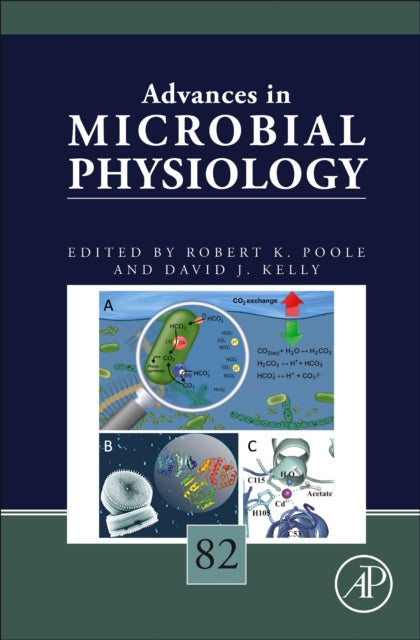
Advances in Microbial Physiology, Volume 82, presents interesting chapters on a variety of topics, including Protein secretion via the Type I secretion system, Purine utilization by enterobacteria, Microbiology of Algae, Growth of enteric bacteria in the intestine on C4DCs: Governance of C4DC transporters in metabolic adaptation and genetic control, Biological functions of bacterial lysophospholipids, and much more.
Format: Hardback
Length: 332 pages
Publication date: 20 March 2023
Publisher: Elsevier Science Publishing Co Inc
Here is the rephrased text:
Advances in Microbial Physiology, Volume 82, in this serial, showcases exciting advancements in the field, offering captivating chapters on diverse topics such as Protein secretion via the Type I secretion system, Purine utilization by enterobacteria, Microbiology of Algae, Growth of enteric bacteria in the intestine on C4DCs: Governance of C4DC transporters in metabolic adaptation and genetic control, Biological functions of bacterial lysophospholipids, and much more.
Protein secretion via the Type I secretion system is a crucial mechanism employed by many bacteria to transport proteins across their cell membranes. This process involves the formation of a complex secretion machinery that spans the inner and outer membranes of the cell. The chapter on Protein secretion via the Type I secretion system delves into the molecular mechanisms, structural components, and regulatory factors involved in this process. It highlights the diverse range of proteins that can be secreted using this system, including virulence factors, enzymes, and other macromolecules.
Purine utilization by enterobacteria is another fascinating topic covered in the serial. Enterobacteria are a diverse group of bacteria that are found in various environments, including the human gut. These bacteria play important roles in metabolism, energy production, and the synthesis of essential compounds. The chapter on Purine utilization by enterobacteria explores the different pathways and enzymes involved in purine metabolism in these bacteria, including the production of nucleotides, the utilization of purines as energy sources, and the regulation of purine metabolism in response to environmental cues.
Microbiology of Algae is a captivating chapter that sheds light on the diverse world of algae, which are photosynthetic organisms that play crucial roles in ecosystems. Algae are not only important sources of food and fuel but also have potential applications in medicine, agriculture, and environmental remediation. The chapter on Microbiology of Algae provides an overview of the different types of algae, their physiological characteristics, and their ecological significance. It also discusses the latest research findings in algae biology, including the discovery of new algae species, the study of their genetic diversity, and the development of novel techniques for algal cultivation and bioproducts production.
Growth of enteric bacteria in the intestine on C4DCs: Governance of C4DC transporters in metabolic adaptation and genetic control is a chapter that explores the complex interactions between bacteria and their host cells in the intestine. C4DCs, or carbon-4-dicarboxylic acid dehydratases, are enzymes that play a crucial role in the metabolism of carbohydrates and amino acids in the intestine. The chapter discusses the role of C4DC transporters in the growth and survival of enteric bacteria in the intestine, as well as the mechanisms by which these transporters are regulated in response to environmental cues. It also highlights the importance of C4DC transporters in metabolic adaptation and genetic control, as they play a key role in the regulation of gene expression and protein expression in response to changing environmental conditions.
Biological functions of bacterial lysophospholipids are a chapter that delves into the diverse roles of these lipids in bacterial physiology. Lysophospholipids are a class of lipids that contain a phosphate group attached to a hydrophobic fatty acid chain. These lipids are present in a wide variety of bacteria and play important roles in various cellular processes, including membrane stability, signaling, and antibiotic resistance. The chapter on Biological functions of bacterial lysophospholipids provides an overview of the different types of lysophospholipids found in bacteria, their structural characteristics, and their biological functions. It also discusses the latest research findings in lysophospholipid biology, including the discovery of new lysophospholipid-related enzymes and signaling pathways, and the development of novel therapies for lysophospholipid-related diseases.
In conclusion, Advances in Microbial Physiology, Volume 82, offers a comprehensive and up-to-date overview of the latest advancements in the field of microbial physiology. The serial presents a diverse range of topics, from protein secretion via the Type I secretion system to purine utilization by enterobacteria, microbiology of algae, growth of enteric bacteria in the intestine on C4DCs, biological functions of bacterial lysophospholipids, and much more. Each chapter is written by experts in the field and provides valuable insights into the latest research findings and developments in the field. Whether you are a researcher, student, or simply interested in learning more about the world of microbes, this serial is a must-read for anyone who wants to stay up-to-date with the latest advancements in microbial physiology.
Weight: 660g
Dimension: 238 x 160 x 24 (mm)
ISBN-13: 9780443193347
This item can be found in:
UK and International shipping information
UK and International shipping information
UK Delivery and returns information:
- Delivery within 2 - 3 days when ordering in the UK.
- Shipping fee for UK customers from £2.39. Fully tracked shipping service available.
- Returns policy: Return within 30 days of receipt for full refund.
International deliveries:
Shulph Ink now ships to Australia, Belgium, Canada, France, Germany, Ireland, Italy, India, Luxembourg Saudi Arabia, Singapore, Spain, Netherlands, New Zealand, United Arab Emirates, United States of America.
- Delivery times: within 5 - 10 days for international orders.
- Shipping fee: charges vary for overseas orders. Only tracked services are available for most international orders. Some countries have untracked shipping options.
- Customs charges: If ordering to addresses outside the United Kingdom, you may or may not incur additional customs and duties fees during local delivery.