Shulph Ink
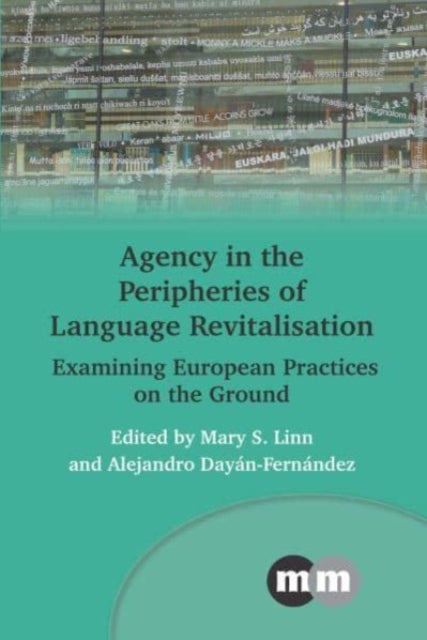
Agency in the Peripheries of Language Revitalisation: Examining European Practices on the Ground
Agency in the Peripheries of Language Revitalisation: Examining European Practices on the Ground
💎 Earn 371 Points (£3.71) on this item.
YOU SAVE £15.65
- Condition: Brand new
- UK Delivery times: Usually arrives within 2 - 3 working days
- UK Shipping: Fee starts at £3.89. Subject to product weight & dimension
Bulk ordering. Want 15 or more copies? Get a personalised quote and bigger discounts. Learn more about bulk orders.
Couldn't load pickup availability
- More about Agency in the Peripheries of Language Revitalisation: Examining European Practices on the Ground
The book explores the issue of agency in minority language revitalisation in Europe, examining how grassroots actors shape revitalisation and negotiate historical factors, motivations, and institutionalised initiatives and policies. It provides insights into how social actors work within and against social conventions and strictures.
Format: Hardback
Length: 196 pages
Publication date: 14 May 2024
Publisher: Multilingual Matters
Agency in Minority Language Revitalization in Europe: A Unique Focus
This book delves into the issue of agency in minority language revitalization in Europe, offering a comprehensive exploration of how language policy shapes and is shaped by grassroots actors in various linguistic contexts. Through ethnographic accounts, the chapters delve into the dynamics of revitalization, examining how individuals and groups navigate historical factors, motivations, and institutionalized initiatives and policies. The book covers both contexts where social actors have successfully gained and exerted agency in their revitalization efforts and those where issues of authority, authenticity, and lack of engagement pose challenges. By providing insights into how social actors navigate and challenge social conventions and strictures, the book contributes to our understanding of the complex and multifaceted nature of minority language revitalization.
The book is available in Open Access under a CC BY ND License, making it accessible to a wide audience. Its interdisciplinary approach draws on insights from linguistics, sociology, anthropology, and other related fields, providing a holistic perspective on the challenges and opportunities faced by minority language communities.
Chapter 1: Agency in Minority Language Revitalization: An Introduction
In the first chapter, the book introduces the concept of agency in minority language revitalization and provides a brief overview of the historical and political contexts that have shaped the revitalization efforts of minority languages in Europe. It highlights the importance of understanding the role of agency in shaping the success or failure of revitalization initiatives and emphasizes the need for a more nuanced and contextualized approach to the study of language revitalization.
Chapter 2: Grassroots Actors and the Revitalization of Minority Languages
Chapter 2 explores the role of grassroots actors in minority language revitalization. It highlights the importance of their contributions to the revitalization process and examines the various strategies and tactics they employ to promote language use and revitalization. The chapter also discusses the challenges faced by grassroots actors, such as limited resources, political opposition, and cultural change.
Chapter 3: Historical Factors and Motivations in Minority Language Revitalization
Chapter 3 examines the historical factors and motivations that drive minority language revitalization. It highlights the role of colonialism, globalization, and language loss in shaping the current linguistic landscape and discusses the ways in which these factors have impacted the revitalization efforts of minority languages. The chapter also explores the motivations of individuals and groups involved in revitalization, including cultural pride, identity, and social cohesion.
Chapter 4: Institutionalized Initiatives and Policies in Minority Language Revitalization
Chapter 4 examines the institutionalized initiatives and policies that have been implemented to support minority language revitalization. It highlights the role of government agencies, educational institutions, and cultural organizations in promoting language use and revitalization. The chapter also discusses the challenges associated with these initiatives, such as the lack of funding, the dominance of dominant languages, and the resistance of some communities to change.
Chapter 5: Negotiating Historical Factors, Motivations, and Institutionalized Initiatives and Policies in Minority Language Revitalization
Chapter 5 explores the complex and multifaceted nature of negotiating historical factors, motivations, and institutionalized initiatives and policies in minority language revitalization. It highlights the importance of understanding the local context and the dynamics of power and resistance in shaping revitalization efforts. The chapter also discusses the strategies and tactics used by social actors to navigate these challenges and achieve their goals.
Chapter 6: Agency in Minority Language Revitalization: Case Studies
Chapter 6 presents case studies of minority language revitalization efforts in different European countries. It highlights the successes and challenges faced by these communities and provides insights into the strategies and tactics used by social actors to achieve their goals. The chapter also discusses the role of language planning and policy in shaping the revitalization efforts of minority languages.
Chapter 7: Conclusion: Agency in Minority Language Revitalization
In the conclusion, the book summarizes the key findings and highlights the importance of agency in minority language revitalization. It emphasizes the need for a more nuanced and contextualized approach to the study of language revitalization and the importance of recognizing the role of grassroots actors and the institutionalized initiatives and policies that support their efforts. The book also suggests that further research is needed to better understand the complex and multifaceted nature of minority language revitalization and to develop more effective strategies and policies to support these efforts.
Agency in Minority Language Revitalization in Europe: A Unique Focus
This book delves into the issue of agency in minority language revitalization in Europe, offering a comprehensive exploration of how language policy shapes and is shaped by grassroots actors in various linguistic contexts. Through ethnographic accounts, the chapters delve into the dynamics of revitalization, examining how individuals and groups navigate historical factors, motivations, and institutionalized initiatives and policies. The book covers both contexts where social actors have successfully gained and exerted agency in their revitalization efforts and those where issues of authority, authenticity, and lack of engagement pose challenges. By providing insights into how social actors navigate and challenge social conventions and strictures, the book contributes to our understanding of the complex and multifaceted nature of minority language revitalization.
The book is available in Open Access under a CC BY ND License, making it accessible to a wide audience. Its interdisciplinary approach draws on insights from linguistics, sociology, anthropology, and other related fields, providing a holistic perspective on the challenges and opportunities faced by minority language communities.
Chapter 1: Agency in Minority Language Revitalization: An Introduction
In the first chapter, the book introduces the concept of agency in minority language revitalization and provides a brief overview of the historical and political contexts that have shaped the revitalization efforts of minority languages in Europe. It highlights the importance of understanding the role of agency in shaping the success or failure of revitalization initiatives and emphasizes the need for a more nuanced and contextualized approach to the study of language revitalization.
Chapter 2: Grassroots Actors and the Revitalization of Minority Languages
Chapter 2 explores the role of grassroots actors in minority language revitalization. It highlights the importance of their contributions to the revitalization process and examines the various strategies and tactics they employ to promote language use and revitalization. The chapter also discusses the challenges faced by grassroots actors, such as limited resources, political opposition, and cultural change.
Chapter 3: Historical Factors and Motivations in Minority Language Revitalization
Chapter 3 examines the historical factors and motivations that drive minority language revitalization. It highlights the role of colonialism, globalization, and language loss in shaping the current linguistic landscape and discusses the ways in which these factors have impacted the revitalization efforts of minority languages. The chapter also explores the motivations of individuals and groups involved in revitalization, including cultural pride, identity, and social cohesion.
Chapter 4: Institutionalized Initiatives and Policies in Minority Language Revitalization
Chapter 4 examines the institutionalized initiatives and policies that have been implemented to support minority language revitalization. It highlights the role of government agencies, educational institutions, and cultural organizations in promoting language use and revitalization. The chapter also discusses the challenges associated with these initiatives, such as the lack of funding, the dominance of dominant languages, and the resistance of some communities to change.
Chapter 5: Negotiating Historical Factors, Motivations, and Institutionalized Initiatives and Policies in Minority Language Revitalization
Chapter 5 explores the complex and multifaceted nature of negotiating historical factors, motivations, and institutionalized initiatives and policies in minority language revitalization. It highlights the importance of understanding the local context and the dynamics of power and resistance in shaping revitalization efforts. The chapter also discusses the strategies and tactics used by social actors to navigate these challenges and achieve their goals.
Chapter 6: Agency in Minority Language Revitalization: Case Studies
Chapter 6 presents case studies of minority language revitalization efforts in different European countries. It highlights the successes and challenges faced by these communities and provides insights into the strategies and tactics used by social actors to achieve their goals. The chapter also discusses the role of language planning and policy in shaping the revitalization efforts of minority languages.
Chapter 7: Conclusion: Agency in Minority Language Revitalization
In the conclusion, the book summarizes the key findings and highlights the importance of agency in minority language revitalization. It emphasizes the need for a more nuanced and contextualized approach to the study of language revitalization and the importance of recognizing the role of grassroots actors and the institutionalized initiatives and policies that support their efforts. The book also suggests that further research is needed to better understand the complex and multifaceted nature of minority language revitalization and to develop more effective strategies and policies to support these efforts.
Weight: 454g
Dimension: 163 x 241 x 18 (mm)
ISBN-13: 9781800416260
UK and International shipping information
UK and International shipping information
We deliver throughout the United Kingdom and to 128 countries and territories worldwide, including the United States, Australia, Canada, Germany, Spain and France.