Shulph Ink
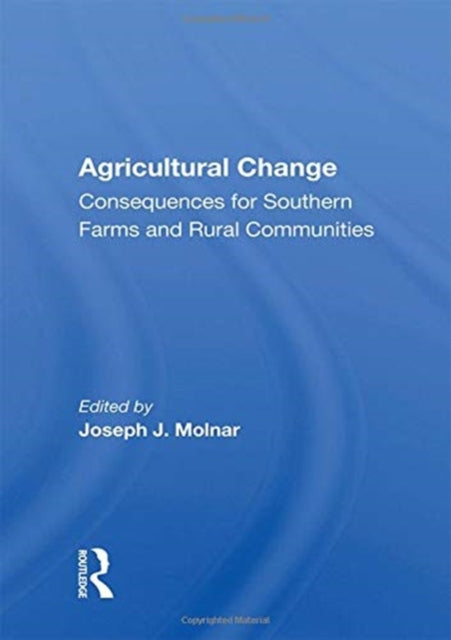
Agricultural Change: Consequences For Southern Farms And Rural Communities
Agricultural Change: Consequences For Southern Farms And Rural Communities
💎 Earn 207 Points (£2.07) on this item.
We can order this item for you. Delivery usually takes about 4 to 6 weeks.
This item is not held in our immediate stock. We will order it for you after checkout.
Estimated delivery: About 4 to 6 weeks
YOU SAVE £2.47
- Condition: Brand new
- UK Delivery times: Usually arrives within 2 - 3 working days
- UK Shipping: Fee starts at £3.89. Subject to product weight & dimension
Bulk ordering. Want 15 or more copies? Get a personalised quote and bigger discounts. Learn more about bulk orders.
Couldn't load pickup availability
- More about Agricultural Change: Consequences For Southern Farms And Rural Communities
This book explores how the rise and fall of new commodities, production technologies, and government policies impacted individuals and farm families in the rural South and how agricultural change and community change are interconnected.
Format: Paperback / softback
Length: 464 pages
Publication date: 29 July 2022
Publisher: Taylor & Francis Ltd
This book delves into the profound impact of the emergence and decline of new commodities, production technologies, and shifting government policies on individuals and farm families in the rural South, exploring the intricate interplay between agricultural transformation and community evolution. It sheds light on the diverse experiences and challenges faced by these rural communities as they navigated the ever-changing tides of agricultural development, examining how these changes shaped their social structures, economic opportunities, and cultural identities.
The rise of new commodities, such as cotton and tobacco, in the late 19th century brought about significant changes in the rural South. Farmers transitioned from subsistence agriculture to commercial production, relying on mechanized tools and large-scale farming practices. This shift led to increased productivity, but it also created social and economic disparities within rural communities. As the demand for these new commodities grew, so did the concentration of wealth among a small elite of landowners and plantation owners, while many farm workers struggled to make a living wage.
Production technologies also played a crucial role in agricultural change. The introduction of new machinery, such as tractors and harvesters, revolutionized the way farms were operated, increasing efficiency and productivity. However, these technological advancements also led to job displacement and rural-urban migration as farm workers were forced to adapt to new working conditions or leave the industry altogether.
Shifting government policies also had a significant impact on agricultural change in the rural South. The implementation of programs like the New Deal and the Farm Security Administration aimed to support struggling farmers and promote rural development. These policies provided subsidies, loan guarantees, and other forms of assistance to farmers, helping them to weather economic downturns and improve their livelihoods. However, these policies also created new challenges, such as the consolidation of power in the hands of large agricultural corporations and the erosion of local control over the food system.
The interrelationship between agricultural change and community change is a complex and multifaceted one. Agricultural transformation often led to changes in the social structure of rural communities, as wealth and power shifted from farm workers to landowners and plantation owners. This shift in social dynamics can have significant impacts on community cohesion, social mobility, and social inequality. At the same time, agricultural change can also contribute to community development by creating new economic opportunities and promoting a sense of pride and identity among rural residents.
One example of the interrelationship between agricultural change and community change is the rise of the cotton plantation system in the South. The cotton plantation system was a highly profitable enterprise that relied on the labor of enslaved African Americans. As the demand for cotton grew, so did the concentration of wealth among plantation owners and the exploitation of enslaved workers. This system created deep social and economic divides within rural communities, as enslaved people were denied basic human rights and subjected to extreme forms of violence and oppression.
However, the abolition of slavery in the 19th century also brought about significant changes in the rural South. The end of slavery led to the emancipation of enslaved people and the redistribution of land and wealth. This shift in power and resources led to the development of new African American communities and the emergence of a black middle class. It also created new opportunities for rural development, as African American farmers were able to access land and resources that had been previously denied to them.
Another example of the interrelationship between agricultural change and community change is the development of the rural electrification program in the 20th century. The rural electrification program aimed to bring electricity to rural areas, which had been largely excluded from the modern electricity grid. This program not only provided electricity to homes and businesses, but it also created new economic opportunities for rural communities by enabling the development of small-scale industries and agricultural processing.
However, the development of the rural electrification program also had unintended consequences. As electricity became more accessible, rural communities were also subjected to the environmental and health impacts of industrialization and urbanization. Air and water pollution, deforestation, and the loss of agricultural land to development all contributed to the decline of rural communities and the erosion of their cultural heritage.
In conclusion, this book explores the profound impact of the rise and fall of new commodities, production technologies, and shifting government policies on individuals and farm families in the rural South. It highlights the complex interplay between agricultural change and community change, examining how these changes shaped social structures, economic opportunities, and cultural identities. The book provides valuable insights into the challenges and opportunities faced by rural communities as they navigate the ever-changing tides of agricultural development, and it offers a critical examination of the policies and practices that can promote sustainable and equitable rural growth.
Introduction:
The rural South has undergone significant transformations over the past century, driven by the emergence and decline of new commodities, production technologies, and shifting government policies. These changes have had profound impacts on individuals and farm families, shaping their social structures, economic opportunities, and cultural identities. This book delves into the intricate interplay between agricultural transformation and community evolution, examining how these changes have shaped the lives of rural residents and the broader society.
The Rise of New Commodities:
In the late 19th century, the rural South experienced a period of rapid economic growth and development, fueled by the introduction of new commodities such as cotton and tobacco. Farmers transitioned from subsistence agriculture to commercial production, relying on mechanized tools and large-scale farming practices. This shift led to increased productivity and a rise in the concentration of wealth among a small elite of landowners and plantation owners. However, it also created social and economic disparities within rural communities, as many farm workers struggled to make a living wage.
The introduction of new commodities also brought about significant changes in the social structure of rural communities. As the demand for these new commodities grew, so did the concentration of wealth among a small elite of landowners and plantation owners. This shift in power and resources led to the development of a hierarchical social structure, with a small elite controlling the majority of the land and resources and a large majority of farm workers living in poverty and facing discrimination.
Production technologies also played a crucial role in agricultural change. The introduction of new machinery, such as tractors and harvesters, revolutionized the way farms were operated, increasing efficiency and productivity. However, these technological advancements also led to job displacement and rural-urban migration as farm workers were forced to adapt to new working conditions or leave the industry altogether.
Shifting government policies also had a significant impact on agricultural change in the rural South. The implementation of programs such as the New Deal and the Farm Security Administration aimed to support struggling farmers and promote rural development. These policies provided subsidies, loan guarantees, and other forms of assistance to farmers, helping them to weather economic downturns and improve their livelihoods. However, these policies also created new challenges, such as the consolidation of power in the hands of large agricultural corporations and the erosion of local control over the food system.
The Interrelationship between Agricultural Change and Community Change:
The interrelationship between agricultural change and community change is a complex and multifaceted one. Agricultural transformation often leads to changes in the social structure of rural communities, as wealth and power shift from farm workers to landowners and plantation owners. This shift in social dynamics can have significant impacts on community cohesion, social mobility, and social inequality. At the same time, agricultural change can also contribute to community development by creating new economic opportunities and promoting a sense of pride and identity among rural residents.
One example of the interrelationship between agricultural change and community change is the rise of the cotton plantation system in the South. The cotton plantation system was a highly profitable enterprise that relied on the labor of enslaved African Americans. As the demand for cotton grew, so did the concentration of wealth among plantation owners and the exploitation of enslaved workers. This system created deep social and economic divides within rural communities, as enslaved people were denied basic human rights and subjected to extreme forms of violence and oppression.
However, the abolition of slavery in the 19th century also brought about significant changes in the rural South. The end of slavery led to the emancipation of enslaved people and the redistribution of land and wealth. This shift in power and resources led to the development of new African American communities and the emergence of a black middle class. It also created new opportunities for rural development, as African American farmers were able to access land and resources that had been previously denied to them.
Another example of the interrelationship between agricultural change and community change is the development of the rural electrification program in the 20th century. The rural electrification program aimed to bring electricity to rural areas, which had been largely excluded from the modern electricity grid. This program not only provided electricity to homes and businesses, but it also created new economic opportunities for rural communities by enabling the development of small-scale industries and agricultural processing.
However, the development of the rural electrification program also had unintended consequences. As electricity became more accessible, rural communities were also subjected to the environmental and health impacts of industrialization and urbanization. Air and water pollution, deforestation, and the loss of agricultural land to development all contributed to the decline of rural communities and the erosion of their cultural heritage.
In conclusion, this book explores the profound impact of the rise and fall of new commodities, production technologies, and shifting government policies on individuals and farm families in the rural South. It highlights the complex interplay between agricultural change and community change, examining how these changes have shaped social structures, economic opportunities, and cultural identities. The book provides valuable insights into the challenges and opportunities faced by rural communities as they navigate the ever-changing tides of agricultural development, and it offers a critical examination of the policies and practices that can promote sustainable and equitable rural growth.
Weight: 860g
ISBN-13: 9780367160654
UK and International shipping information
UK and International shipping information
We deliver throughout the United Kingdom and to 128 countries and territories worldwide, including the United States, Australia, Canada, Germany, Spain and France.