Shulph Ink
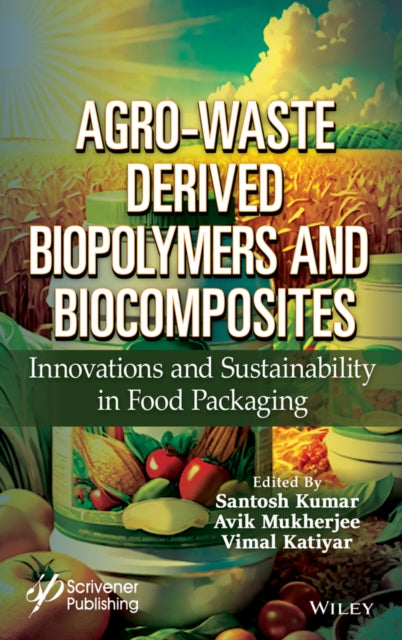
Agro-Waste Derived Biopolymers and Biocomposites: Innovations and Sustainability in Food Packaging
Agro-Waste Derived Biopolymers and Biocomposites: Innovations and Sustainability in Food Packaging
💎 Earn 752 Points (£7.52) on this item.
YOU SAVE £19.55
- Condition: Brand new
- UK Delivery times: Usually arrives within 2 - 3 working days
- UK Shipping: Fee starts at £2.39. Subject to product weight & dimension
Bulk ordering. Want 15 or more copies? Get a personalised quote and bigger discounts. Learn more about bulk orders.
Couldn't load pickup availability
- More about Agro-Waste Derived Biopolymers and Biocomposites: Innovations and Sustainability in Food Packaging
Agro-Waste provides comprehensive coverage of synthetic plastics in food packaging, biopolymer-based packages, and their utilization of agro-waste for sustainable food packaging. It raises awareness for food businesses, researchers, and stakeholders to fabricate sustainable food packaging that is not environmentally friendly.
Format: Hardback
Length: 480 pages
Publication date: 05 July 2024
Publisher: John Wiley & Sons Inc
Agro-Waste: A Comprehensive Guide to Synthetic Plastics in Food Packaging and Their Impact on Human Health and the Environment
Agro-Waste is a comprehensive guide that explores the use of synthetic plastics in food packaging and their significant impact on human health and the environment. With 17 chapters, this book provides a wealth of knowledge on biopolymer-based packages and their utilization of agro-waste for deriving biopolymers. It serves as a valuable resource for food businesses, researchers, and stakeholders who are committed to creating sustainable food packaging that is not only environmentally friendly but also meets the growing demand for safe and healthy food products.
One of the key chapters in Agro-Waste focuses on the effectiveness of biopolymers and their composites in developing active films and edible coatings for preserving perishable foods. Biopolymers are natural polymers that are derived from renewable sources, such as plants, animals, and microorganisms. They offer several advantages over traditional synthetic plastics, including biodegradability, non-toxicity, and improved barrier properties. Active films and edible coatings are used to protect food products from moisture, oxygen, and other environmental factors that can cause spoilage. They can be applied to a wide range of food products, including fruits, vegetables, meats, and dairy products.
Another important chapter in Agro-Waste addresses the concerns associated with the possible migration of components or additives from biodegradable packaging into packaged food items. Biodegradable packaging is made from natural materials that can be broken down by microorganisms in the environment. However, there is a risk that some of these components or additives may migrate into the food product, which can have negative health effects on consumers. Agro-Waste provides guidelines for manufacturers to ensure that their biodegradable packaging is safe and does not pose any health risks to consumers.
In addition to the chapters on biopolymers and their composites, Agro-Waste also includes chapters on the use of agro-waste for the fabrication of sustainable food packaging. Agro-waste includes a wide range of materials, such as agricultural waste, food waste, and waste from the food processing industry. These materials can be used to create packaging that is both functional and environmentally friendly. For example, agricultural waste can be used to create biodegradable packaging, while food waste can be used to create compostable packaging.
Agro-Waste also provides insights into the current research and development in the field of sustainable food packaging. It highlights the latest innovations and technologies that are being used to create packaging that is more sustainable, cost-effective, and environmentally friendly. For example, some companies are using nanotechnology to create packaging that is more resistant to moisture, oxygen, and other environmental factors, while others are using biodegradable packaging that is made from renewable resources.
Overall, Agro-Waste is a valuable resource for anyone who is interested in learning more about the use of synthetic plastics in food packaging and their impact on human health and the environment. It provides a comprehensive overview of the latest research and developments in the field, and it offers guidelines for manufacturers to ensure that their packaging is safe and environmentally friendly. By adopting sustainable food packaging practices, we can help to reduce the amount of waste that is produced and protect the environment for future generations.
Agro-Waste: A Comprehensive Guide to Synthetic Plastics in Food Packaging and Their Impact on Human Health and the Environment
Agro-Waste is a comprehensive guide that explores the use of synthetic plastics in food packaging and their significant impact on human health and the environment. With 17 chapters, this book provides a wealth of knowledge on biopolymer-based packages and their utilization of agro-waste for deriving biopolymers. It serves as a valuable resource for food businesses, researchers, and stakeholders who are committed to creating sustainable food packaging that is not only environmentally friendly but also meets the growing demand for safe and healthy food products.
One of the key chapters in Agro-Waste focuses on the effectiveness of biopolymers and their composites in developing active films and edible coatings for preserving perishable foods. Biopolymers are natural polymers that are derived from renewable sources, such as plants, animals, and microorganisms. They offer several advantages over traditional synthetic plastics, including biodegradability, non-toxicity, and improved barrier properties. Active films and edible coatings are used to protect food products from moisture, oxygen, and other environmental factors that can cause spoilage. They can be applied to a wide range of food products, including fruits, vegetables, meats, and dairy products.
Another important chapter in Agro-Waste addresses the concerns associated with the possible migration of components or additives from biodegradable packaging into packaged food items. Biodegradable packaging is made from natural materials that can be broken down by microorganisms in the environment. However, there is a risk that some of these components or additives may migrate into the food product, which can have negative health effects on consumers. Agro-Waste provides guidelines for manufacturers to ensure that their biodegradable packaging is safe and does not pose any health risks to consumers.
In addition to the chapters on biopolymers and their composites, Agro-Waste also includes chapters on the use of agro-waste for the fabrication of sustainable food packaging. Agro-waste includes a wide range of materials, such as agricultural waste, food waste, and waste from the food processing industry. These materials can be used to create packaging that is both functional and environmentally friendly. For example, agricultural waste can be used to create biodegradable packaging, while food waste can be used to create compostable packaging.
Agro-Waste also provides insights into the current research and development in the field of sustainable food packaging. It highlights the latest innovations and technologies that are being used to create packaging that is more sustainable, cost-effective, and environmentally friendly. For example, some companies are using nanotechnology to create packaging that is more resistant to moisture, oxygen, and other environmental factors, while others are using biodegradable packaging that is made from renewable resources.
Overall, Agro-Waste is a valuable resource for anyone who is interested in learning more about the use of synthetic plastics in food packaging and their impact on human health and the environment. It provides a comprehensive overview of the latest research and developments in the field, and it offers guidelines for manufacturers to ensure that their packaging is safe and environmentally friendly. By adopting sustainable food packaging practices, we can help to reduce the amount of waste that is produced and protect the environment for future generations.
Agro-Waste: A Comprehensive Guide to Synthetic Plastics in Food Packaging and Their Impact on Human Health and the Environment
Agro-Waste is a comprehensive guide that explores the use of synthetic plastics in food packaging and their significant impact on human health and the environment. With 17 chapters, this book provides a wealth of knowledge on biopolymer-based packages and their utilization of agro-waste for deriving biopolymers. It serves as a valuable resource for food businesses, researchers, and stakeholders who are committed to creating sustainable food packaging that is not only environmentally friendly but also meets the growing demand for safe and healthy food products.
One of the key chapters in Agro-Waste focuses on the effectiveness of biopolymers and their composites in developing active films and edible coatings for preserving perishable foods. Biopolymers are natural polymers that are derived from renewable sources, such as plants, animals, and microorganisms. They offer several advantages over traditional synthetic plastics, including biodegradability, non-toxicity, and improved barrier properties. Active films and edible coatings are used to protect food products from moisture, oxygen, and other environmental factors that can cause spoilage. They can be applied to a wide range of food products, including fruits, vegetables, meats, and dairy products.
Another important chapter in Agro-Waste addresses the concerns associated with the possible migration of components or additives from biodegradable packaging into packaged food items. Biodegradable packaging is made from natural materials that can be broken down by microorganisms in the environment. However, there is a risk that some of these components or additives may migrate into the food product, which can have negative health effects on consumers. Agro-Waste provides guidelines for manufacturers to ensure that their biodegradable packaging is safe and does not pose any health risks to consumers.
In addition to the chapters on biopolymers and their composites, Agro-Waste also includes chapters on the use of agro-waste for the fabrication of sustainable food packaging. Agro-waste includes a wide range of materials, such as agricultural waste, food waste, and waste from the food processing industry. These materials can be used to create packaging that is both functional and environmentally friendly. For example, agricultural waste can be used to create biodegradable packaging, while food waste can be used to create compostable packaging.
Agro-Waste also provides insights into the current research and development in the field of sustainable food packaging. It highlights the latest innovations and technologies that are being used to create packaging that is more sustainable, cost-effective, and environmentally friendly. For example, some companies are using nanotechnology to create packaging that is more resistant to moisture, oxygen, and other environmental factors, while others are using biodegradable packaging that is made from renewable resources.
Overall, Agro-Waste is a valuable resource for anyone who is interested in learning more about the use of synthetic plastics in food packaging and their impact on human health and the environment. It provides a comprehensive overview of the latest research and developments in the field, and it offers guidelines for manufacturers to ensure that their packaging is safe and environmentally friendly. By adopting sustainable food packaging practices, we can help to reduce the amount of waste that is produced and protect the environment for future generations.
Weight: 790g
Dimension: 237 x 160 x 31 (mm)
ISBN-13: 9781394174553
This item can be found in:
UK and International shipping information
UK and International shipping information
UK Delivery and returns information:
- Delivery within 2 - 3 days when ordering in the UK.
- Shipping fee for UK customers from £2.39. Fully tracked shipping service available.
- Returns policy: Return within 30 days of receipt for full refund.
International deliveries:
Shulph Ink now ships to Australia, Belgium, Canada, France, Germany, Ireland, Italy, India, Luxembourg Saudi Arabia, Singapore, Spain, Netherlands, New Zealand, United Arab Emirates, United States of America.
- Delivery times: within 5 - 10 days for international orders.
- Shipping fee: charges vary for overseas orders. Only tracked services are available for most international orders. Some countries have untracked shipping options.
- Customs charges: If ordering to addresses outside the United Kingdom, you may or may not incur additional customs and duties fees during local delivery.