Shulph Ink
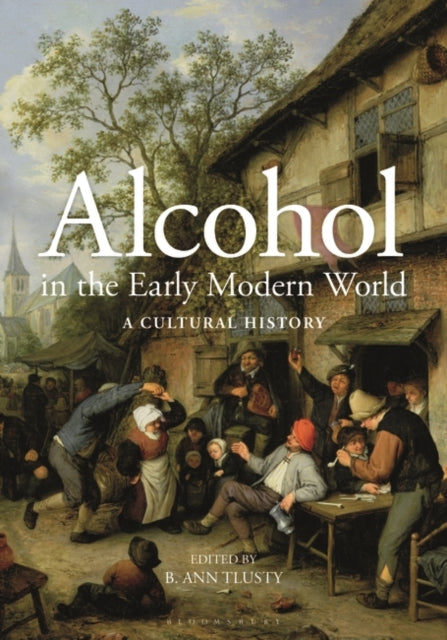
Alcohol in the Early Modern World: A Cultural History
Alcohol in the Early Modern World: A Cultural History
💎 Earn 222 Points (£2.22) on this item.
We can order this item for you. Delivery usually takes about 4 to 6 weeks.
This item is not held in our immediate stock. We will order it for you after checkout.
Estimated delivery: About 4 to 6 weeks
- Condition: Brand new
- UK Delivery times: Usually arrives within 2 - 3 working days
- UK Shipping: Fee starts at £2.39. Subject to product weight & dimension
Bulk ordering. Want 15 or more copies? Get a personalised quote and bigger discounts. Learn more about bulk orders.
Couldn't load pickup availability
- More about Alcohol in the Early Modern World: A Cultural History
This book explores the relationship between alcohol consumption and cultural, political, and intellectual shifts in the early modern period in Europe and the Atlantic world. It examines themes such as identity, consumerism, gender, politics, colonialism, religion, and state-building through the lens of pervasive drinking cultures.
Format: Paperback / softback
Length: 224 pages
Publication date: 29 December 2022
Publisher: Bloomsbury Publishing PLC
Drawing on a wealth of new research and scholarship, the book explores the complex relationship between religion, politics, and culture in the early modern period, particularly in Europe and the Atlantic world. The authors argue that the pervasive drinking cultures of this time were not just a matter of social and recreational indulgence, but rather were deeply intertwined with the broader social, political, and economic transformations of the era.
One of the key themes explored in the book is the role of alcohol in constructing and maintaining social identities. The authors argue that drinking was used as a means of social bonding, particularly among men, and that it played a significant role in shaping gender roles and hierarchies. For example, the consumption of alcohol was often associated with masculinity and power, while women were often marginalized and stigmatized for their drinking habits.
Another important theme is the consumerism that emerged in the early modern period, driven in part by the increasing availability and consumption of alcohol. The authors argue that the rise of consumer culture was closely linked to the development of capitalism and the expansion of trade networks, and that alcohol played a central role in facilitating these processes. Drinking was not just a matter of personal pleasure, but also a commodity that could be bought and sold, and that had economic value.
Alcohol also had a significant impact on politics and colonialism in the early modern period. The authors argue that drinking was used as a tool of coercion and control, particularly by colonial powers seeking to subjugate indigenous populations. Drinking was also used as a means of social bonding among colonizers and indigenous peoples, creating a sense of shared identity and belonging.
However, alcohol was not without its negative consequences. The authors argue that drinking was often associated with domestic violence and abuse, particularly among men. Drinking was also a contributing factor to human trafficking and other forms of exploitation, as it facilitated the transportation of people across vast distances and often in unsafe conditions.
In conclusion, Alcohol in the Early Modern World provides a rich and nuanced exploration of the complex relationship between religion, politics, and culture in the early modern period. The book challenges traditional narratives and offers a fresh perspective on the role of alcohol in shaping the world of pre-modern Europe and the Atlantic world.
Alcohol in the Early Modern World
In the early modern period, Europe and the Atlantic world experienced profound religious, political, and intellectual shifts that were inextricably linked to cultural uses of alcohol. This book, written by eight contributing scholars, explores these themes through the revealing lens of the pervasive drinking cultures of early modern peoples.
Alcohol had a place at nearly every European table and played a role in much of early modern experience. From building personal bonds through social and ritual drinking to fueling economies at both micro and macro levels, alcohol was a significant part of daily life. However, drinking was also at the root of a host of personal tragedies, including domestic violence in the home and human trafficking across the Atlantic.
One of the key themes explored in the book is the role of alcohol in constructing and maintaining social identities. The authors argue that drinking was used as a means of social bonding, particularly among men, and that it played a significant role in shaping gender roles and hierarchies. For example, the consumption of alcohol was often associated with masculinity and power, while women were often marginalized and stigmatized for their drinking habits.
Another important theme is the consumerism that emerged in the early modern period, driven in part by the increasing availability and consumption of alcohol. The authors argue that the rise of consumer culture was closely linked to the development of capitalism and the expansion of trade networks, and that alcohol played a central role in facilitating these processes. Drinking was not just a matter of personal pleasure, but also a commodity that could be bought and sold, and that had economic value.
Alcohol also had a significant impact on politics and colonialism in the early modern period. The authors argue that drinking was used as a tool of coercion and control, particularly by colonial powers seeking to subjugate indigenous populations. Drinking was also used as a means of social bonding among colonizers and indigenous peoples, creating a sense of shared identity and belonging.
However, alcohol was not without its negative consequences. The authors argue that drinking was often associated with domestic violence and abuse, particularly among men. Drinking was also a contributing factor to human trafficking and other forms of exploitation, as it facilitated the transportation of people across vast distances and often in unsafe conditions.
In conclusion, Alcohol in the Early Modern World provides a rich and nuanced exploration of the complex relationship between religion, politics, and culture in the early modern period. The book challenges traditional narratives and offers a fresh perspective on the role of alcohol in shaping the world of pre-modern Europe and the Atlantic world. By examining the pervasive drinking cultures of early modern peoples, the book sheds light on the ways in which alcohol was both a source of pleasure and a catalyst for social, political, and economic change.
Weight: 394g
Dimension: 245 x 170 x 13 (mm)
ISBN-13: 9781350231030
UK and International shipping information
UK and International shipping information
UK Delivery and returns information:
- Delivery within 2 - 3 days when ordering in the UK.
- Shipping fee for UK customers from £2.39. Fully tracked shipping service available.
- Returns policy: Return within 30 days of receipt for full refund.
International deliveries:
Shulph Ink now ships to Australia, Belgium, Canada, France, Germany, Ireland, Italy, India, Luxembourg Saudi Arabia, Singapore, Spain, Netherlands, New Zealand, United Arab Emirates, United States of America.
- Delivery times: within 5 - 10 days for international orders.
- Shipping fee: charges vary for overseas orders. Only tracked services are available for most international orders. Some countries have untracked shipping options.
- Customs charges: If ordering to addresses outside the United Kingdom, you may or may not incur additional customs and duties fees during local delivery.