Shulph Ink
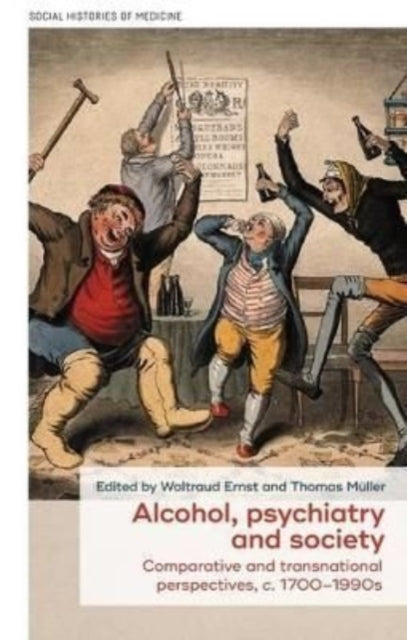
Alcohol, Psychiatry and Society: Comparative and Transnational Perspectives, c. 1700-1990s
Alcohol, Psychiatry and Society: Comparative and Transnational Perspectives, c. 1700-1990s
💎 Earn 420 Points (£4.20) on this item.
We can order this item for you. Delivery usually takes about 4 to 6 weeks.
This item is not held in our immediate stock. We will order it for you after checkout.
Estimated delivery: About 4 to 6 weeks
YOU SAVE £10.92
- Condition: Brand new
- UK Delivery times: Usually arrives within 2 - 3 working days
- UK Shipping: Fee starts at £2.39. Subject to product weight & dimension
Bulk ordering. Want 15 or more copies? Get a personalised quote and bigger discounts. Learn more about bulk orders.
Couldn't load pickup availability
- More about Alcohol, Psychiatry and Society: Comparative and Transnational Perspectives, c. 1700-1990s
The medicalization of alcohol use has transformed policy and public perceptions, shifting from clinical use to alcoholism as a disease.
Format: Hardback
Length: 424 pages
Publication date: 24 October 2022
Publisher: Manchester University Press
The medicalization of alcohol use has emerged as a significant and influential discourse that shapes policy decisions and shapes public attitudes toward alcohol and drinking. This comprehensive book delves into the historical and cultural roots of this phenomenon, highlighting the shifting medical perspectives and theories regarding alcohol and its consumption in psychiatry and mental health. It explores the transition from alcohol's use in clinical treatments and dietary regimens to its recognition as a disease category that demands medical intervention and poses a significant public health threat.
The medicalization of alcohol has had far-reaching consequences, not only in terms of healthcare practices but also in how society views and interacts with alcohol. It has led to the development of specialized treatment programs, increased awareness of alcohol-related health risks, and the establishment of regulations to control and mitigate alcohol-related harm. However, this medicalization has also sparked debates and controversies, with some arguing that it may stigmatize alcohol users and perpetuate harmful stereotypes.
One of the key aspects of the medicalization of alcohol is the shift in medical attitudes toward alcohol consumption. Historically, alcohol was viewed as a harmless substance that could be enjoyed in moderation. However, as research and scientific understanding of the effects of alcohol on the body grew, medical professionals began to recognize the potential risks associated with excessive alcohol use. This led to the development of diagnostic criteria for alcohol disorders, such as alcoholism and alcohol abuse, and the establishment of treatment programs to address these conditions.
The medicalization of alcohol has also had an impact on the way alcohol consumption is perceived in psychiatry and mental health. Traditionally, alcohol was considered a coping mechanism for stress and anxiety, and its use was not necessarily viewed as a problem. However, as alcohol use became more prevalent and associated with negative health outcomes, mental health professionals began to recognize the link between alcohol consumption and mental health issues. This led to the development of treatment programs that address both alcohol addiction and mental health disorders, such as depression and anxiety.
However, the medicalization of alcohol has also led to some unintended consequences. One of the concerns is the stigmatization of alcohol users, who may be viewed as having a medical condition rather than a behavioral problem. This can lead to social isolation and discrimination, making it difficult for alcohol users to seek help and support. Additionally, the emphasis on medical treatment may overlook the social and cultural factors that contribute to alcohol use, such as poverty, trauma, and social norms.
To address these challenges, it is important to approach the medicalization of alcohol with a balanced and nuanced perspective. This includes recognizing the potential benefits of medical intervention for alcohol users, such as improved health outcomes and reduced alcohol-related harm. It also involves addressing the social and cultural factors that contribute to alcohol use, such as poverty, trauma, and social norms, and promoting harm reduction strategies that prioritize prevention and early intervention.
In conclusion, the medicalization of alcohol use has had a profound impact on society, shaping policy decisions, public attitudes, and healthcare practices. While it has brought about significant improvements in terms of alcohol-related health risks and treatment options, it is important to approach this phenomenon with a balanced and nuanced perspective, recognizing the potential benefits and challenges and promoting strategies that prioritize prevention, early intervention, and harm reduction.
Dimension: 216 x 138 (mm)
ISBN-13: 9781526159403
This item can be found in:
UK and International shipping information
UK and International shipping information
UK Delivery and returns information:
- Delivery within 2 - 3 days when ordering in the UK.
- Shipping fee for UK customers from £2.39. Fully tracked shipping service available.
- Returns policy: Return within 30 days of receipt for full refund.
International deliveries:
Shulph Ink now ships to Australia, Belgium, Canada, France, Germany, Ireland, Italy, India, Luxembourg Saudi Arabia, Singapore, Spain, Netherlands, New Zealand, United Arab Emirates, United States of America.
- Delivery times: within 5 - 10 days for international orders.
- Shipping fee: charges vary for overseas orders. Only tracked services are available for most international orders. Some countries have untracked shipping options.
- Customs charges: If ordering to addresses outside the United Kingdom, you may or may not incur additional customs and duties fees during local delivery.