Shulph Ink
Ammonia Oxidizing Bacteria: Applications in Industrial Wastewater Treatment
Ammonia Oxidizing Bacteria: Applications in Industrial Wastewater Treatment
💎 Earn 694 Points (£6.94) on this item.
We can order this item for you. Delivery usually takes about 4 to 6 weeks.
This item is not held in our immediate stock. We will order it for you after checkout.
Estimated delivery: About 4 to 6 weeks
YOU SAVE £10.10
- Condition: Brand new
- UK Delivery times: Usually arrives within 2 - 3 working days
- UK Shipping: Fee starts at £3.89. Subject to product weight & dimension
Bulk ordering. Want 15 or more copies? Get a personalised quote and bigger discounts. Learn more about bulk orders.
Couldn't load pickup availability
- More about Ammonia Oxidizing Bacteria: Applications in Industrial Wastewater Treatment
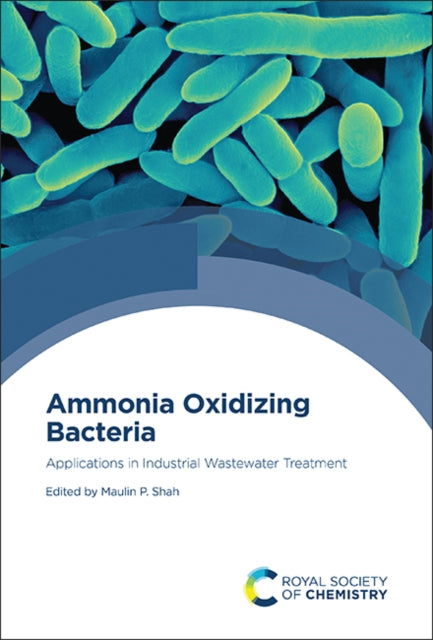
Ammonia oxidising bacteria and archaea are essential for many ecosystems, but their characterization requires genomic methods. They are harmful to aquatic life, but can be used to treat water with greater knowledge of their biochemical processes. This book covers their ecology, genomics, physiology, and biochemistry, and their presence in wastewater.
Format: Hardback
Length: 226 pages
Publication date: 29 September 2023
Publisher: Royal Society of Chemistry
Ammonia oxidising bacteria (AOB) and archaea are ubiquitous microorganisms that play a crucial role in many ecosystems, particularly in aquatic ecosystems. Their abundance and diversity vary widely across environments, and their characterization requires genomic methods due to their difficulty in isolation from samples. While non-toxic to humans in the short term, ammonia in water systems can harm aquatic life by promoting the proliferation of algae (eutrophication). Contamination often occurs through the use of disinfectants with chloramines, fertilizers, waste disposal, and natural processes.
Despite their natural presence, utilising AOBs to treat water is considered an attractive solution due to their ability to convert ammonia to nitrite and nitrate. However, further knowledge of their biochemical processes and measurement of their efficacy is required. This book provides comprehensive coverage of the ecology, genomics, physiology, and biochemistry of AOBs, their presence in wastewater, and the challenges, opportunities, and potential applications for nitrification and ammonia removal. It is ideal for postgraduates and researchers in a variety of disciplines, including environmental science, microbiology, and water treatment.
In conclusion, AOBs and archaea are important microorganisms that contribute to the functioning of ecosystems and aquatic ecosystems in particular. Their abundance and diversity vary widely across environments, and their characterization requires genomic methods. While non-toxic to humans in the short term, ammonia in water systems can harm aquatic life through eutrophication. Utilising AOBs to treat water is viewed as an attractive solution, but further research is needed to enhance our understanding of their biochemical processes and measurement of their efficacy. This book provides valuable insights into the ecology, genomics, physiology, and biochemistry of AOBs and their potential applications in water treatment.
Weight: 481g
Dimension: 234 x 156 x 15 (mm)
ISBN-13: 9781839166877
UK and International shipping information
UK and International shipping information
We deliver throughout the United Kingdom and to 128 countries and territories worldwide, including the United States, Australia, Canada, Germany, Spain and France.