NicholasMirzoeff
An Introduction to Visual Culture
An Introduction to Visual Culture
💎 Earn 235 Points (£2.35) on this item.
YOU SAVE £2.80
- Condition: Brand new
- UK Delivery times: Usually arrives within 2 - 3 working days
- UK Shipping: Fee starts at £2.39. Subject to product weight & dimension
Bulk ordering. Want 15 or more copies? Get a personalised quote and bigger discounts. Learn more about bulk orders.
Couldn't load pickup availability
- More about An Introduction to Visual Culture
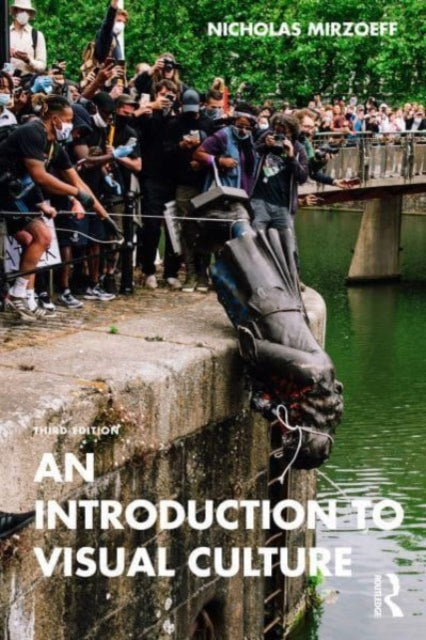
Visual culture is a powerful form of activism that can be used to challenge oppressive systems and promote social change. Three successful tactics of visual activism include the removal of statues and monuments, the restitution of cultural property, and the practices of repair and reparations. This form of activism has been used to address catastrophe and trauma, such as the Nakba and the climate disaster, and to map the activist turn in the field since 2014.
Format: Paperback / softback
Length: 310 pages
Publication date: 27 June 2023
Publisher: Taylor & Francis Ltd
Visual culture emerges as a powerful form of visual activism, actively engaging and activating the visible realm. This transformative approach seeks to challenge and transform societal norms, advocate for social justice, and promote cultural understanding. In this essay, we explore the multifaceted dimensions of visual activism, highlighting its potential to inspire change and foster a more inclusive and equitable world.
Visual activism encompasses a wide range of strategies and tactics aimed at dismantling oppressive systems, challenging dominant narratives, and promoting positive social change. One of the most effective methods of visual activism is the removal of statues and monuments that symbolize oppression and injustice. By removing these symbols, activists create space for dialogue, reflection, and healing, fostering a more inclusive and equitable society.
Another powerful tactic of visual activism is the restitution of cultural property to marginalized communities. This involves the return of artifacts, artworks, and cultural heritage that have been taken or appropriated by oppressive regimes or individuals. Restitution not only helps to restore the dignity and identity of these communities but also serves as a powerful reminder of the importance of cultural heritage and its role in shaping our collective history.
Practices of repair and reparations also play a crucial role in visual activism. By addressing the damage caused by historical trauma and catastrophe, visual artists and activists work to heal and rebuild communities. This can involve the creation of public art installations, the restoration of historic buildings, or the development of community-based healing programs. Repair and reparations not only address the physical scars of past events but also seek to promote emotional healing and resilience.
Visual activism also addresses the intersections of catastrophe and trauma, from the Palestinian Nakba to the ongoing climate disaster and the devastating effects of war. By highlighting the connections between these events, visual activists draw attention to the systemic injustices that perpetuate these crises and advocate for collective action to address them.
Since 2014, there has been a significant activist turn in the field of visual culture. Artists and activists have increasingly used their work to challenge dominant narratives, promote social justice, and raise awareness about pressing issues. This has led to the creation of powerful visual campaigns, exhibitions, and interventions that have had a significant impact on public discourse and policy.
Looking ahead, the future of visual activism holds great promise. As technology continues to evolve, visual artists and activists will have new tools and platforms at their disposal to amplify their messages and reach wider audiences. Additionally, the growing recognition of the importance of intersectionality in social justice movements will lead to more inclusive and diverse forms of visual activism that address the complex and interconnected challenges facing our world.
In conclusion, visual culture emerges as a powerful form of visual activism, actively engaging and activating the visible realm. By removing statues and monuments, restituting cultural property, practicing repair and reparations, addressing catastrophe and trauma, and mapping the activist turn in the field, visual activists are working to create a more inclusive and equitable world. As we continue to witness the transformative power of visual activism, it is clear that this form of art has the potential to inspire change and foster a more just and compassionate society.
Dimension: 234 x 156 (mm)
ISBN-13: 9780367235345
Edition number: 3 ed
UK and International shipping information
UK and International shipping information
UK Delivery and returns information:
- Delivery within 2 - 3 days when ordering in the UK.
- Shipping fee for UK customers from £2.39. Fully tracked shipping service available.
- Returns policy: Return within 30 days of receipt for full refund.
International deliveries:
Shulph Ink now ships to Australia, Belgium, Canada, France, Germany, Ireland, Italy, India, Luxembourg Saudi Arabia, Singapore, Spain, Netherlands, New Zealand, United Arab Emirates, United States of America.
- Delivery times: within 5 - 10 days for international orders.
- Shipping fee: charges vary for overseas orders. Only tracked services are available for most international orders. Some countries have untracked shipping options.
- Customs charges: If ordering to addresses outside the United Kingdom, you may or may not incur additional customs and duties fees during local delivery.