Shulph Ink
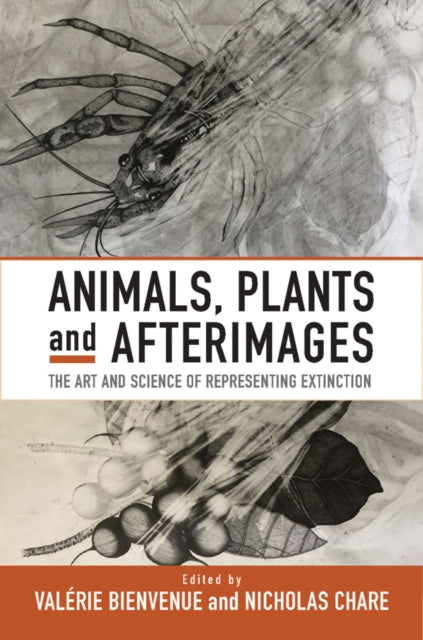
Animals, Plants and Afterimages: The Art and Science of Representing Extinction
Animals, Plants and Afterimages: The Art and Science of Representing Extinction
💎 Earn 68 Points (£0.68) on this item.
YOU SAVE £2.21
- Condition: Brand new
- UK Delivery times: Usually arrives within 2 - 3 working days
- UK Shipping: Fee starts at £2.39. Subject to product weight & dimension
Bulk ordering. Want 15 or more copies? Get a personalised quote and bigger discounts. Learn more about bulk orders.
Couldn't load pickup availability
- More about Animals, Plants and Afterimages: The Art and Science of Representing Extinction
The sixth mass extinction is a significant issue, and "Animals, Plants, and Afterimages" explores how extinct species are represented in art and visual culture, with a focus on museums. It highlights famous cases of vanished species and lesser-known examples, advancing scientific understanding and addressing ecological and environmental concerns.
Format: Paperback / softback
Length: 460 pages
Publication date: 05 July 2024
Publisher: Berghahn Books
The sixth mass extinction, also known as the Anthropocene extinction, is a pressing global issue that has captured the attention of scholars from various disciplines, including the humanities and life sciences. In the book "Animals, Plants, and Afterimages: Representations of Extinct Species in Art and Visual Culture," a group of renowned experts delve into the ways in which extinct species are depicted in art and visual culture, with a particular focus on museums. By examining celebrated cases of vanished species such as the quagga and the thylacine, as well as lesser-known examples of animals and plants, these essays shed light on how representations of recent and ancient extinctions contribute to scientific understanding and address contemporary ecological and environmental challenges.
One of the key themes explored in the book is the role of museums in preserving and interpreting the history of extinct species. Museums play a crucial role in educating the public about the natural world and its diversity, and they often house extensive collections of specimens and artifacts related to extinct species. However, the preservation and interpretation of these collections can be challenging, as they require specialized knowledge and resources.
The book highlights the importance of museums in promoting public awareness and understanding of the impact of human activities on the environment. By showcasing the beauty and diversity of extinct species, museums can help to inspire a sense of responsibility and stewardship towards the natural world. However, the book also notes that museums can sometimes perpetuate harmful stereotypes and misconceptions about extinct species. For example, some museums may display animals and plants in a way that suggests they are dangerous or threatening, which can contribute to fear and anxiety among the public.
To address these challenges, the book suggests that museums should work to engage with the public in a more meaningful way. This can include providing interactive exhibits, educational programs, and online resources that allow visitors to learn more about extinct species and their significance. Museums should also work to collaborate with other organizations and individuals to promote conservation efforts and raise awareness about the importance of protecting the natural world.
In addition to the role of museums, the book also explores the ways in which extinct species are represented in art and visual culture. Art has a long history of depicting extinct species, and it can be a powerful tool for conveying the beauty and complexity of the natural world. However, the representation of extinct species can also be controversial, as some artists may choose to depict them in a way that is offensive or disrespectful.
The book highlights the importance of ethical considerations in the representation of extinct species in art and visual culture. Artists should be aware of the cultural and historical significance of extinct species and should work to create works that are respectful and meaningful. Museums should also work to ensure that the representation of extinct species in their collections is accurate and unbiased.
One of the most significant challenges facing the sixth mass extinction is the loss of biodiversity. Biodiversity is the variety of life on Earth, and it is essential for the functioning of ecosystems. The loss of biodiversity can have a devastating impact on the environment, including the loss of species, the degradation of habitats, and the disruption of ecological processes.
The book explores the causes of biodiversity loss, including climate change, deforestation, and overfishing. Climate change is a major driver of biodiversity loss, as it is causing the Earth's temperature to rise, which is leading to the melting of ice caps, the rise of sea levels, and the loss of habitat for many species. Deforestation is also a major driver of biodiversity loss, as it is destroying forests and other natural habitats. Overfishing is also a major driver of biodiversity loss, as it is leading to the overexploitation of fish populations and the destruction of marine ecosystems.
To address biodiversity loss, the book suggests that we need to take action to reduce our carbon footprint. This can include reducing our energy consumption, using renewable energy sources, and reducing our waste. We also need to work to protect and restore natural habitats, including forests, wetlands, and oceans.
In addition to the loss of biodiversity, the sixth mass extinction is also causing a range of other environmental and ecological problems. For example, the loss of species can lead to the loss of important ecological services, such as pollination and seed dispersal. The loss of habitats can also lead to the loss of biodiversity, as it can make it difficult for species to find new homes.
The book also explores the ways in which extinct species can be used to inspire conservation efforts. For example, the quagga, a species of zebra that was extinct in the 19th century, has been used to inspire the creation of a new species of zebra that is resistant to the disease that caused the quagga's extinction. The thylacine, a species of marsupial that was extinct in the 20th century, has been used to inspire the creation of a new species of marsupial that is resistant to the disease that caused the thylacine's extinction.
In conclusion, the sixth mass extinction is one of the most pervasive issues of our time. Animals, Plants, and Afterimages brings together leading scholars in the humanities and life sciences to explore how extinct species are represented in art and visual culture, with a special emphasis on museums. By examining celebrated cases of vanished species and lesser-known examples of animals and plants, these essays shed light on how representations of recent and ancient extinctions help advance scientific understanding and speak to contemporary ecological and environmental concerns. Museums play a crucial role in preserving and interpreting the history of extinct species, but they can also perpetuate harmful stereotypes and misconceptions. To address these challenges, museums should work to engage with the public in a more meaningful way, provide interactive exhibits, educational programs, and online resources, and collaborate with other organizations and individuals to promote conservation efforts and raise awareness about the importance of protecting the natural world. The loss of biodiversity is a major driver of the sixth mass extinction, and it is essential that we take action to reduce our carbon footprint and protect and restore natural habitats. Extinct species can also be used to inspire conservation efforts, and the book highlights the importance of ethical considerations in the representation of extinct species in art and visual culture.
Weight: 662g
Dimension: 151 x 229 x 28 (mm)
ISBN-13: 9781805393320
UK and International shipping information
UK and International shipping information
UK Delivery and returns information:
- Delivery within 2 - 3 days when ordering in the UK.
- Shipping fee for UK customers from £2.39. Fully tracked shipping service available.
- Returns policy: Return within 30 days of receipt for full refund.
International deliveries:
Shulph Ink now ships to Australia, Belgium, Canada, France, Germany, Ireland, Italy, India, Luxembourg Saudi Arabia, Singapore, Spain, Netherlands, New Zealand, United Arab Emirates, United States of America.
- Delivery times: within 5 - 10 days for international orders.
- Shipping fee: charges vary for overseas orders. Only tracked services are available for most international orders. Some countries have untracked shipping options.
- Customs charges: If ordering to addresses outside the United Kingdom, you may or may not incur additional customs and duties fees during local delivery.