Oswaldo Chinchilla Mazariegos
Art and Myth of the Ancient Maya
Art and Myth of the Ancient Maya
YOU SAVE £3.74
- Condition: Brand new
- UK Delivery times: Usually arrives within 2 - 3 working days
- UK Shipping: Fee starts at £3.89. Subject to product weight & dimension
Bulk ordering. Want 15 or more copies? Get a personalised quote and bigger discounts. Learn more about bulk orders.
Couldn't load pickup availability
- More about Art and Myth of the Ancient Maya
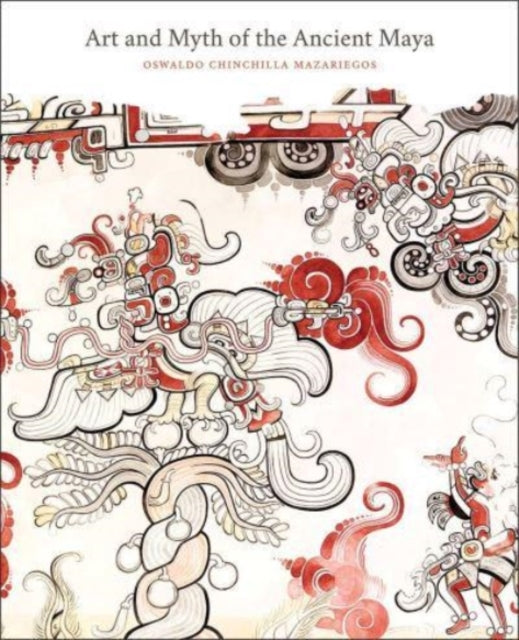
Maya mythology is explored in depth, from the Popol Vuh's literary record to a wide variety of artistic representations by ancient Maya artists.
Format: Paperback / softback
Length: 304 pages
Publication date: 25 January 2022
Publisher: Yale University Press
Maya mythology is a rich tapestry of beliefs, customs, and traditions that have been woven into the fabric of the ancient Maya civilization for centuries. It encompasses a wide range of topics, from the creation of the world to the daily lives of the Maya people, and is deeply intertwined with their religious practices and cultural values.
The Maya mythology is a complex and multifaceted tapestry that encompasses a wide range of beliefs, customs, and traditions that have been woven into the fabric of the ancient Maya civilization for centuries. It is a rich and intricate system that reflects the deep religious and cultural beliefs of the Maya people, and it plays a central role in their daily lives and rituals.
The creation of the world is one of the central themes in Maya mythology, and it is believed that the gods created the world out of chaos and darkness. The gods were believed to be powerful and mysterious, and they were responsible for the creation of the sun, moon, stars, and other celestial bodies. The Maya people believed that the gods were responsible for the creation of the human race, and they believed that the gods had a special relationship with the Maya people.
Another important theme in Maya mythology is the concept of the afterlife. The Maya people believed that the afterlife was a place of great beauty and abundance, and they believed that the gods would guide the souls of the dead to this afterlife. The afterlife was believed to be divided into four realms, each of which was associated with a different aspect of the human experience. The underworld was a place of darkness and chaos, where the souls of the dead were punished for their sins. The upper world was a place of great beauty and abundance, where the souls of the dead were rewarded for their good deeds. The middle world was a place of transition, where the souls of the dead were purified and prepared for the afterlife.
The Maya people also believed in a wide range of supernatural beings, including gods, goddesses, demons, and spirits. These beings were believed to have powers and abilities that were beyond the comprehension of the human race, and they were often depicted in art and literature as powerful and fearsome creatures. The Maya people believed that these supernatural beings were responsible for the natural world and that they could be invoked for protection, guidance, and healing.
In addition to their religious beliefs, the Maya people also had a rich cultural heritage that was deeply intertwined with their mythology. The Maya people were skilled artisans and farmers, and they had a complex system of writing and mathematics that allowed them to record their history and culture. The Maya people also had a rich tradition of storytelling, and they passed down their mythology through oral traditions and written texts.
One of the most important sources of information about Maya mythology is the literary record of the Popol Vuh, which is a collection of texts that were written by the Maya people in the late pre-Columbian period. The Popol Vuh tells the story of the creation of the world, the rise and fall of the ancient Maya civilization, and the journey of the hero twins Hun Hunahpú and Xbalanque. The Popol Vuh is a rich source of information about Maya mythology, and it provides a detailed account of the beliefs and customs of the Maya people.
In addition to the literary record of the Popol Vuh, there are a wide range of artistic depictions of Maya mythology by ancient Maya artists. These depictions include sculptures, paintings, and ceramics, and they provide a visual representation of the beliefs and customs of the Maya people. These depictions often depict the gods and goddesses, as well as the supernatural beings and the human characters that interact with them.
In conclusion, Maya mythology is a complex and multifaceted tapestry that encompasses a wide range of beliefs, customs, and traditions that have been woven into the fabric of the ancient Maya civilization for centuries. It is a rich and intricate system that reflects the deep religious and cultural beliefs of the Maya people, and it plays a central role
The Maya mythology is a rich tapestry of beliefs, customs, and traditions that have been woven into the fabric of the ancient Maya civilization for centuries. It encompasses a wide range of topics, from the creation of the world to the daily lives of the Maya people, and is deeply intertwined with their religious practices and cultural values.
The Maya mythology is a complex and multifaceted tapestry that encompasses a wide range of beliefs, customs, and traditions that have been woven into the fabric of the ancient Maya civilization for centuries. It is a rich and intricate system that reflects the deep religious and cultural beliefs of the Maya people, and it plays a central role.
The creation of the world is one of the central themes in Maya mythology, and it is believed that the gods created the world out of chaos and darkness. The gods were believed to be powerful and mysterious, and they were responsible for the creation of the sun, moon, stars, and other celestial bodies. The Maya people believed that the gods were responsible for the creation of the human race, and they believed that the gods had a special relationship with the Maya people.
Another important theme in Maya mythology is the concept of the afterlife. The Maya people believed that the afterlife was a place of great beauty and abundance, and they believed that the gods would guide the souls of the dead to this afterlife. The afterlife was believed to be divided into four realms, each of which was associated with a different aspect of the human experience. The underworld was a place of darkness and chaos, where the souls of the dead were punished for their sins. The upper world was a place of great beauty and abundance, where the souls of the dead were rewarded for their good deeds. The middle world was a place of transition, where the souls of the dead were purified and prepared for the afterlife.
The Maya people also believed in a wide range of supernatural beings, including gods, goddesses, demons, and spirits. These beings were believed to have powers and abilities that were beyond the comprehension of the human race, and they were often depicted in art and literature as powerful and fearsome creatures. The Maya people believed that these supernatural beings were responsible for the natural world and that they could be invoked for protection, guidance, and healing.
In addition to their religious beliefs, the Maya people also had a rich cultural heritage that was deeply intertwined with their mythology. The Maya people were skilled artisans and farmers, and they had a complex system of writing and mathematics that allowed them to record their history and culture. The Maya people also had a rich tradition of storytelling, and they passed down their mythology through oral traditions and written texts.
One of the most important sources of information about Maya mythology is the literary record of the Popol Vuh, which is a collection of texts that were written by the Maya people in the late pre-Columbian period. The Popol Vuh tells the story of the creation of the world, the rise and fall of the ancient Maya civilization, and the journey of the hero twins Hun Hunahpú and Xbalanque. The Popol Vuh is a rich source of information about Maya mythology, and it provides a detailed account of the beliefs and customs of the Maya people.
In addition to the literary record of the Popol Vuh, there are a wide range of artistic depictions of Maya mythology by ancient Maya artists. These depictions include sculptures, paintings, and ceramics, and they provide a visual representation of the beliefs and customs of the Maya people. These depictions often depict the gods and goddesses, as well as the supernatural beings and the human characters that interact with them.
In conclusion, Maya mythology is a complex and multifaceted tapestry that encompasses a wide range of beliefs, customs, and traditions that have been woven into the fabric of the ancient Maya civilization for centuries. It is a rich and intricate system that reflects the deep religious and cultural beliefs of the Maya people, and it plays a central.
Weight: 1128g
Dimension: 205 x 255 x 25 (mm)
ISBN-13: 9780300263879
UK and International shipping information
UK and International shipping information
We deliver throughout the United Kingdom and to 128 countries and territories worldwide, including the United States, Australia, Canada, Germany, Spain and France.