Shulph Ink
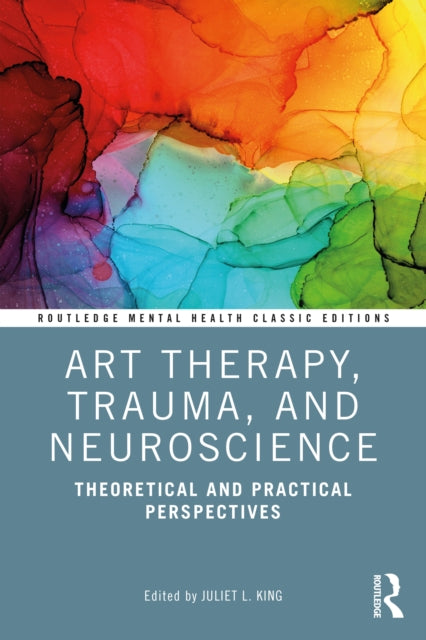
Art Therapy, Trauma, and Neuroscience: Theoretical and Practical Perspectives
Art Therapy, Trauma, and Neuroscience: Theoretical and Practical Perspectives
💎 Earn 174 Points (£1.74) on this item.
YOU SAVE £2.07
- Condition: Brand new
- UK Delivery times: Usually arrives within 2 - 3 working days
- UK Shipping: Fee starts at £3.89. Subject to product weight & dimension
Bulk ordering. Want 15 or more copies? Get a personalised quote and bigger discounts. Learn more about bulk orders.
Couldn't load pickup availability
- More about Art Therapy, Trauma, and Neuroscience: Theoretical and Practical Perspectives
Art Therapy, Trauma, and Neuroscience combines theory, research, and practice with traumatized populations in a neuroscience framework, with a new preface discussing advances in the field. It provides theoretical and applied techniques for use in clinical practice, for graduate students, therapists, and educators.
\n Format: Paperback / softback
\n Length: 234 pages
\n Publication date: 23 September 2021
\n Publisher: Taylor & Francis Ltd
\n
Art therapy, trauma, and neuroscience seamlessly blend theory, research, and practical applications with traumatized populations, utilizing a neuroscience framework. The classic edition of this text boasts a fresh preface penned by the author, delving into the latest advancements in the field. By embracing a neuroscience- and trauma-informed approach, esteemed experts in art therapy and trauma harness translational and integrative neuroscience to offer theoretical and applied techniques that enrich clinical practice. This comprehensive resource is designed to enhance the understanding of brain-based interventions, making them accessible and engaging for graduate students, therapists, and educators alike.
The significance of integrating neuroscience and trauma-informed perspectives into art therapy cannot be overstated. By understanding the intricate connections between the brain and emotional well-being, art therapists can develop more effective and compassionate interventions that address the unique needs of traumatized individuals. This approach recognizes the role of the brain in shaping thoughts, emotions, and behaviors and aims to harness this knowledge to promote healing and recovery.
One of the key strengths of art therapy in the context of neuroscience is its ability to provide a non-verbal means of expression. Art can be a powerful tool for individuals who struggle to articulate their emotions through words. Through the creative process, individuals can explore and express their thoughts, feelings, and experiences in a safe and therapeutic environment. This non-verbal communication allows therapists to gain a deeper understanding of their clients' experiences and to tailor their interventions accordingly.
In addition to its therapeutic benefits, art therapy also offers valuable insights into the brain's functioning and the mechanisms of trauma. By studying the neural pathways and patterns associated with trauma, art therapists can develop targeted interventions that address the underlying causes of trauma and promote healing. For example, art therapy interventions that involve sensory stimulation, such as drawing or painting, can activate certain brain regions associated with memory and emotion processing, which can help individuals process and integrate their traumatic experiences.
Furthermore, art therapy can be used as a tool for trauma prevention and resilience building. By promoting self-awareness, self-expression, and emotional regulation, art therapy can help individuals develop coping strategies and build resilience to the effects of trauma. This can be particularly important for populations that are at high risk of trauma, such as survivors of abuse, violence, or natural disasters.
In conclusion, art therapy, trauma, and neuroscience represent a powerful combination that offers unique insights and opportunities for healing and recovery. By integrating neuroscience and trauma-informed perspectives into art therapy practice, researchers, therapists, and educators can enhance the understanding of brain-based interventions and develop more effective and compassionate approaches to addressing the needs of traumatized populations.
\n Weight: 380g\n
Dimension: 152 x 229 x 17 (mm)\n
ISBN-13: 9781032050539\n \n
UK and International shipping information
UK and International shipping information
We deliver throughout the United Kingdom and to 128 countries and territories worldwide, including the United States, Australia, Canada, Germany, Spain and France.