Shulph Ink
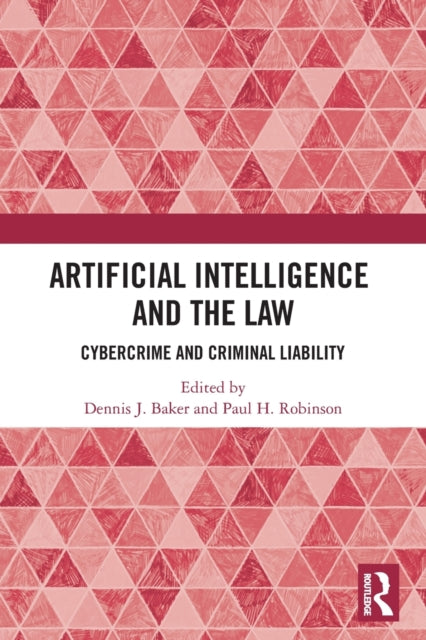
Artificial Intelligence and the Law: Cybercrime and Criminal Liability
Artificial Intelligence and the Law: Cybercrime and Criminal Liability
We can order this item for you. Delivery usually takes about 4 to 6 weeks.
This item is not held in our immediate stock. We will order it for you after checkout.
Estimated delivery: About 4 to 6 weeks
YOU SAVE £4.13
- Condition: Brand new
- UK Delivery times: Usually arrives within 2 - 3 working days
- UK Shipping: Fee starts at £3.89. Subject to product weight & dimension
Bulk ordering. Want 15 or more copies? Get a personalised quote and bigger discounts. Learn more about bulk orders.
Couldn't load pickup availability
- More about Artificial Intelligence and the Law: Cybercrime and Criminal Liability
This volume explores the intersection of artificial intelligence (AI) and law, particularly in the context of criminal justice. It brings together experts from various fields to address core problems raised by technology, such as privacy, data protection, cyber warfare, and theft of virtual property. The book examines AI and the law in a comparative context, focusing on Western jurisdictions and China, and provides an in-depth understanding of domestic laws on criminal liability for cybercrime. It is a valuable resource for academics and researchers in AI, technology, and criminal justice.
Format: Paperback / softback
Length: 280 pages
Publication date: 29 April 2022
Publisher: Taylor & Francis Ltd
This comprehensive volume delves into the realm of artificial intelligence (AI) and law, with a particular focus on criminal justice. It brings together a distinguished group of international experts, including computer scientists, lawyers, judges, and cyber-psychologists, who offer their insights and expertise. The book explores a range of fundamental issues that technology poses for criminal law, encompassing privacy and data protection, cyber warfare, and the theft of virtual property. By examining these topics from a comparative perspective, the work takes a cross-jurisdictional and cross-disciplinary approach, shedding light on the dynamics of AI and the law in the West and China.
As China emerges as a global leader in AI and technology, this book becomes an invaluable resource for understanding domestic laws in both Western jurisdictions and China regarding criminal liability for cybercrime. It provides a deep and comprehensive analysis, offering valuable insights to academics and researchers engaged in the fields of AI, technology, and criminal justice.
The book is organized into several chapters, each dedicated to exploring different aspects of AI and law. In the first chapter, the authors provide an overview of the current state of AI and its potential applications in the legal field. They discuss the ethical considerations and challenges associated with AI, such as bias, transparency, and accountability.
The second chapter focuses on the intersection of AI and criminal law, particularly in the context of cybercrime. The authors examine the legal frameworks and regulations that govern cybercrime, as well as the strategies used by law enforcement agencies to combat it. They also explore the role of AI in detecting and investigating cybercrime, including the use of artificial intelligence algorithms, machine learning, and big data analysis.
In the third chapter, the book examines the issue of privacy and data protection in the age of AI. The authors discuss the legal frameworks and regulations that protect individuals' privacy and data, as well as the challenges posed by the increasing use of AI and big data. They explore the implications of AI-driven surveillance and the potential risks to individual privacy and freedom.
The fourth chapter explores the role of AI in cyber warfare and the legal implications of using AI-enabled weapons and technologies. The authors discuss the international legal framework governing the use of force in warfare, as well as the ethical and humanitarian considerations associated with it. They also examine the potential risks and benefits of AI-enabled warfare, including the potential for increased efficiency and reduced casualties.
The fifth chapter examines the theft of virtual property, including the use of cryptocurrencies and other digital assets. The authors discuss the legal frameworks and regulations that govern the theft of virtual property, as well as the strategies used by law enforcement agencies to combat it. They also explore the role of AI in detecting and investigating virtual property theft, including the use of blockchain technology and other digital forensics techniques.
In the final chapter, the book concludes by discussing the future of AI and law in the context of criminal justice. The authors offer their perspectives on the potential benefits and risks of AI in the legal field, as well as the challenges and opportunities that lie ahead. They also suggest potential areas of research and policy development that could help to shape the future of AI and law in the criminal justice system.
Overall, this comprehensive volume provides a valuable and insightful exploration of the complex relationship between AI and law, with a particular focus on criminal justice. It offers a wealth of knowledge and expertise to academics, researchers, policymakers, and practitioners alike. The book will be of great interest to anyone seeking to understand the implications of AI and technology on the legal system and the broader the better.
This comprehensive volume delves into the realm of artificial intelligence (AI) and law, with a particular focus on criminal justice. It brings together a distinguished group of international experts, including computer scientists, lawyers, judges, and cyber-psychologists, who offer their insights and expertise. The book explores a range of fundamental issues that technology poses for criminal law, encompassing privacy and data protection, cyber warfare, and the theft of virtual property. By examining these topics from a comparative perspective, the work takes a cross-jurisdictional and cross-disciplinary approach, shedding light on the dynamics of AI and the law in the West and China.
As China emerges as a global leader in AI and technology, this book becomes an invaluable resource for understanding domestic laws in both Western jurisdictions. It provides a deep and comprehensive analysis, offering valuable insights to academics and researchers engaged in the fields of AI, technology, and criminal justice.
The book is organized into several chapters, each dedicated to exploring different aspects of AI and law. In the first chapter, the authors provide an overview of the current state of AI and its potential applications in the legal field. They discuss the ethical considerations and challenges associated with AI, such as bias, transparency, and accountability.
The second chapter focuses on the intersection of AI and criminal law, particularly in the context of cybercrime. The authors examine the legal frameworks and regulations that govern cybercrime, as well as the strategies used by law enforcement agencies to combat it. They also explore the role of AI in detecting and investigating cybercrime, including the use of artificial intelligence algorithms, machine learning, and big data analysis.
In the third chapter, the book examines the issue of privacy and data protection in the age of AI. The authors discuss the legal frameworks and regulations that protect individuals' privacy and data, as well as the challenges posed by the increasing use of AI and big data. They explore the implications of AI-driven surveillance and the potential risks to individual privacy and freedom.
The fourth chapter explores the role of AI in cyber warfare and the legal implications of using AI-enabled weapons and technologies. The authors discuss the international legal framework governing the use of force the force in warfare, as well as the ethical and humanitarian considerations associated with it. They also examine the potential risks and benefits of AI-enabled warfare, including the potential for increased efficiency and reduced casualties.
The fifth chapter examines the theft of virtual property, including the use of cryptocurrencies and other digital assets. The authors discuss the legal frameworks and regulations that govern the theft of virtual property, as well as the strategies used by law enforcement agencies to combat it. They also explore the role. The role the role of AI in detecting and investigating virtual property theft, including the use of blockchain technology and other digital forensics techniques.
In the final chapter, the book concludes by discussing the future of AI and law in the context of criminal justice. The authors offer their perspectives on the potential benefits and risks of AI in the legal field, as well as the challenges and opportunities that lie ahead. They also suggest potential areas of research and policy development that could help to shape the future of AI and law in the criminal justice system.
Overall, this comprehensive volume provides a valuable and insightful exploration of the complex relationship between AI and law, with a particular focus on criminal justice. It offers a wealth of knowledge and expertise to academics, researchers, policymakers, and practitioners. The book will be of great interest to anyone seeking to understand the implications of AI and technology on the legal system and the better.
Weight: 520g
Dimension: 234 x 156 (mm)
ISBN-13: 9780367612078
UK and International shipping information
UK and International shipping information
We deliver throughout the United Kingdom and to 128 countries and territories worldwide, including the United States, Australia, Canada, Germany, Spain and France.