Shulph Ink
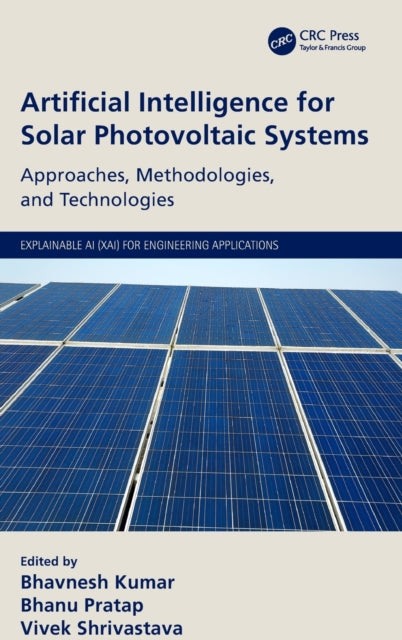
Artificial Intelligence for Solar Photovoltaic Systems: Approaches, Methodologies, and Technologies
Artificial Intelligence for Solar Photovoltaic Systems: Approaches, Methodologies, and Technologies
💎 Earn 689 Points (£6.89) on this item.
We can order this item for you. Delivery usually takes about 4 to 6 weeks.
This item is not held in our immediate stock. We will order it for you after checkout.
Estimated delivery: About 4 to 6 weeks
YOU SAVE £8.18
- Condition: Brand new
- UK Delivery times: Usually arrives within 2 - 3 working days
- UK Shipping: Fee starts at £2.39. Subject to product weight & dimension
Bulk ordering. Want 15 or more copies? Get a personalised quote and bigger discounts. Learn more about bulk orders.
Couldn't load pickup availability
- More about Artificial Intelligence for Solar Photovoltaic Systems: Approaches, Methodologies, and Technologies
Technological advancements have revolutionized solar technology, with advanced artificial intelligence techniques useful for improving the study related to solar systems. It focuses on finding solutions to actual operating difficulties and discusses core concepts and principles of artificial intelligence in the control and management of solar energy systems.
Format: Hardback
Length: 290 pages
Publication date: 29 July 2022
Publisher: Taylor & Francis Ltd
The remarkable advancements in solar technology have been driven by a multitude of factors, including significant investments in research and development, technological innovations, and government policies. Solar energy has become an increasingly viable and cost-effective alternative to traditional fossil fuels, thanks to the widespread adoption of solar panels, solar cells, and solar thermal systems.
One of the most significant technological advancements in solar technology has been the development of advanced artificial intelligence (AI) techniques. AI algorithms can analyze large amounts of data and identify patterns and trends that can help optimize solar energy systems. For example, AI can help predict the performance of solar panels and identify areas where they can be improved. AI can also help optimize the placement of solar panels to maximize their energy output.
Another area of focus in solar technology is the development of more efficient solar cells. Solar cells are the building blocks of solar panels and are responsible for converting sunlight into electricity. Researchers are constantly working to improve the efficiency of solar cells, which can help increase the energy output of solar panels and reduce the cost of solar energy.
In addition to these technological advancements, solar technology is also being used to address some of the most pressing environmental challenges of our time. Solar energy can help reduce greenhouse gas emissions and mitigate the effects of climate change. Solar panels can be installed on buildings, homes, and vehicles, and can help reduce our dependence on traditional fossil fuels.
Despite these advancements, there are still some challenges that need to be addressed in the solar technology industry. One of the biggest challenges is the cost of solar energy. Solar panels and other components of solar energy systems can be expensive, which can make it difficult for some people and businesses to adopt solar energy.
Another challenge is the intermittency of solar energy. Solar energy is only available during daylight hours, which can limit its use in some areas. To address this challenge, solar energy systems can be combined with storage systems, such as batteries, to store excess energy for use during peak demand.
Despite these challenges, the solar technology industry is continuing to grow and evolve. There are many exciting developments on the horizon, including the development of new technologies, such as solar-powered trains and planes, and the integration of solar energy into smart grids.
In conclusion, the advancements in solar technology have revolutionized the way we generate and use energy. Solar energy has become an increasingly viable and cost-effective alternative to traditional fossil fuels, and advanced AI techniques are being used to optimize solar energy systems and address some of the most pressing environmental challenges of our time. While there are still some challenges to be addressed, the solar technology industry is poised for continued growth and innovation in the years to come.
The remarkable advancements in solar technology have been driven by a multitude of factors, including significant investments in research and development, technological innovations, and government policies. Solar energy has become an increasingly viable and cost-effective alternative to traditional fossil fuels, thanks to the widespread adoption of solar panels, solar cells, and solar thermal systems.
One of the most significant technological advancements in solar technology has been the development of advanced artificial intelligence (AI) techniques. AI algorithms can analyze large amounts of data and identify patterns and trends that can help optimize solar energy systems. For example, AI can help predict the performance of solar panels and identify areas where they can be improved. AI can also help optimize the placement of solar panels to maximize their energy output.
Another area of focus in solar technology is the development of more efficient solar cells. Solar cells are the building blocks of solar panels and are responsible for converting sunlight into electricity. Researchers are constantly working to improve the efficiency of solar cells, which can help increase the energy output of solar panels and reduce the cost of solar energy.
In addition to these technological advancements, solar technology is also being used to address some of the most pressing environmental challenges of our time. Solar energy can help reduce greenhouse gas emissions and mitigate the effects of climate change. Solar panels can be installed on buildings, homes, and vehicles, and can help reduce our dependence on traditional fossil fuels.
Despite these advancements, there are still some challenges that need to be addressed in the solar technology industry. One of the biggest challenges is the cost of solar energy. Solar panels and other components of solar energy systems can be expensive, which can make it difficult for some people and businesses to adopt solar energy.
Another challenge is the intermittency of solar energy. Solar energy is only available during daylight hours, which can limit its use in some areas. To address this challenge, solar energy systems can be combined with storage systems, such as batteries, to store excess energy for use during peak demand.
Despite these challenges, the solar technology industry is continuing to grow and evolve. There are many exciting developments on the horizon, including the development of new technologies, such as solar-powered trains and planes, and the integration of solar energy into smart grids.
In conclusion, the advancements in solar technology have revolutionized the way we generate and use energy. Solar energy has become an increasingly viable and cost-effective alternative to traditional fossil fuels, and advanced AI techniques are being used to optimize solar energy systems and address some of the most pressing environmental challenges of our time. While there are still some challenges to be addressed, the solar technology industry is poised for continued growth and innovation in the years to come.
Weight: 730g
Dimension: 234 x 156 (mm)
ISBN-13: 9781032054414
UK and International shipping information
UK and International shipping information
UK Delivery and returns information:
- Delivery within 2 - 3 days when ordering in the UK.
- Shipping fee for UK customers from £2.39. Fully tracked shipping service available.
- Returns policy: Return within 30 days of receipt for full refund.
International deliveries:
Shulph Ink now ships to Australia, Belgium, Canada, France, Germany, Ireland, Italy, India, Luxembourg Saudi Arabia, Singapore, Spain, Netherlands, New Zealand, United Arab Emirates, United States of America.
- Delivery times: within 5 - 10 days for international orders.
- Shipping fee: charges vary for overseas orders. Only tracked services are available for most international orders. Some countries have untracked shipping options.
- Customs charges: If ordering to addresses outside the United Kingdom, you may or may not incur additional customs and duties fees during local delivery.