Shulph Ink
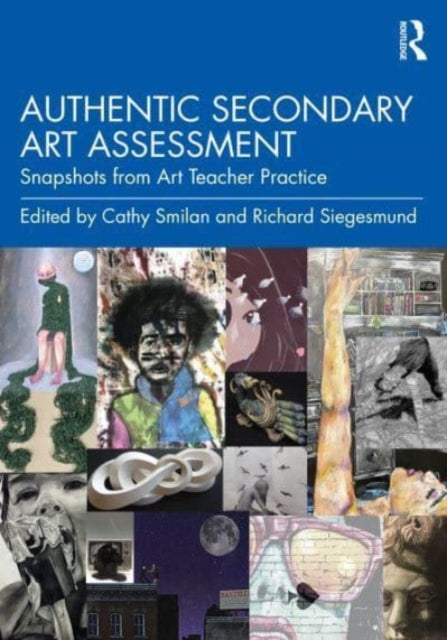
Authentic Secondary Art Assessment: Snapshots from Art Teacher Practice
Authentic Secondary Art Assessment: Snapshots from Art Teacher Practice
💎 Earn 221 Points (£2.21) on this item.
YOU SAVE £2.63
- Condition: Brand new
- UK Delivery times: Usually arrives within 2 - 3 working days
- UK Shipping: Fee starts at £2.39. Subject to product weight & dimension
Bulk ordering. Want 15 or more copies? Get a personalised quote and bigger discounts. Learn more about bulk orders.
Couldn't load pickup availability
- More about Authentic Secondary Art Assessment: Snapshots from Art Teacher Practice
The book "Assessing Visual Art: A Guide for Teachers" compiles 16 teacher perspectives on assessments in diverse classrooms and contexts, focusing on using assessment as a tool for student achievement and curriculum re-envisioning.
Format: Paperback / softback
Length: 272 pages
Publication date: 11 September 2023
Publisher: Taylor & Francis Ltd
Here is the rephrased text:
Assessments in Visual Art Education: Perspectives from Teachers Across Diverse Classrooms and Contexts
Assessments in visual art education play a crucial role in guiding students toward achieving their artistic goals and facilitating curriculum and instruction re-envisioning. This comprehensive study compiles 16 perspectives from experienced visual art teachers across diverse classrooms and contexts. By examining assessment beyond its traditional role of assigning grades, the authors highlight its potential as a valuable tool for stakeholders to utilize. They advocate for assessments that serve as a compass for students, providing them with clear guidance and feedback to enhance their artistic development. Furthermore, the study emphasizes the importance of assessments in aligning with national art standards, such as the National Core Art Standards (NCAS), to ensure a rigorous and comprehensive art education.
The authors of this study conducted interviews with 16 visual art teachers from various educational backgrounds. These teachers represented a range of experiences, including public, private, and charter schools, as well as different grade levels. The interviews aimed to explore the teachers' perspectives on assessments in visual art education, including their purposes, strategies, and challenges.
One of the key findings of the study is that assessments in visual art education should go beyond measuring student performance and include feedback that promotes artistic growth. Teachers emphasized the importance of providing students with constructive criticism and guidance that helps them understand their strengths and areas for improvement. They also highlighted the need for assessments to be aligned with artistic standards and criteria, such as the NCAS, to ensure a consistent and rigorous approach to art education.
Another significant aspect of the study is the recognition of the diverse contexts in which visual art education takes place. Teachers noted that assessments should be tailored to the specific needs and goals of their students, taking into account factors such as cultural background, learning styles, and individual artistic preferences. They emphasized the importance of creating a safe and inclusive environment where students feel comfortable expressing themselves and taking risks in their artistic endeavors.
The study also highlighted the challenges associated with assessments in visual art education. Teachers identified issues such as limited resources, time constraints, and the difficulty of assessing non-traditional forms of art, such as digital media and performance art. They suggested strategies for overcoming these challenges, such as collaboration with other teachers, using technology to streamline assessment processes, and providing ongoing professional development opportunities for teachers.
In conclusion, this comprehensive study provides valuable insights into the perspectives of visual art teachers across diverse classrooms and contexts. By examining assessment beyond its traditional role and emphasizing its potential as a guide for students to achieve artistic goals, the authors advocate for a more holistic and effective approach to visual art education. The study's findings highlight the importance of alignment with national art standards, the need for feedback that promotes artistic growth, and the significance of tailoring assessments to the unique needs and goals of students. These insights will be valuable for educators, policymakers, and stakeholders in the field of visual art education as they work to enhance the quality and accessibility of art education for all students.
Weight: 576g
Dimension: 179 x 254 x 19 (mm)
ISBN-13: 9781032493572
UK and International shipping information
UK and International shipping information
UK Delivery and returns information:
- Delivery within 2 - 3 days when ordering in the UK.
- Shipping fee for UK customers from £2.39. Fully tracked shipping service available.
- Returns policy: Return within 30 days of receipt for full refund.
International deliveries:
Shulph Ink now ships to Australia, Belgium, Canada, France, Germany, Ireland, Italy, India, Luxembourg Saudi Arabia, Singapore, Spain, Netherlands, New Zealand, United Arab Emirates, United States of America.
- Delivery times: within 5 - 10 days for international orders.
- Shipping fee: charges vary for overseas orders. Only tracked services are available for most international orders. Some countries have untracked shipping options.
- Customs charges: If ordering to addresses outside the United Kingdom, you may or may not incur additional customs and duties fees during local delivery.