Shulph Ink
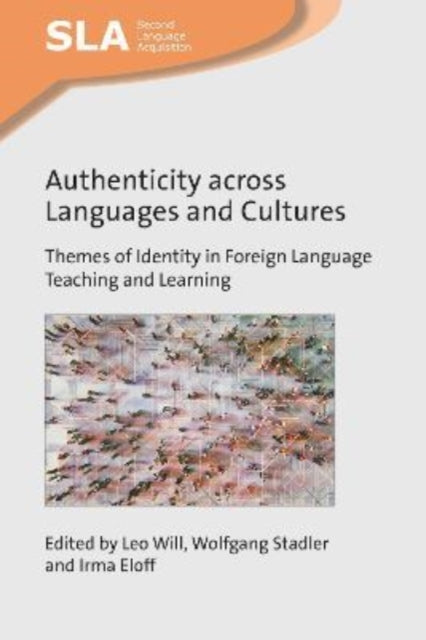
Authenticity across Languages and Cultures: Themes of Identity in Foreign Language Teaching and Learning
Authenticity across Languages and Cultures: Themes of Identity in Foreign Language Teaching and Learning
💎 Earn 177 Points (£1.77) on this item.
YOU SAVE £7.47
- Condition: Brand new
- UK Delivery times: Usually arrives within 2 - 3 working days
- UK Shipping: Fee starts at £2.39. Subject to product weight & dimension
Bulk ordering. Want 15 or more copies? Get a personalised quote and bigger discounts. Learn more about bulk orders.
Couldn't load pickup availability
- More about Authenticity across Languages and Cultures: Themes of Identity in Foreign Language Teaching and Learning
This book explores the concepts of personal and cultural authenticity in foreign language teaching and learning, covering a wide range of contexts and disciplines. It offers diverse perspectives on the role of language in processes of personal growth, learning, development, self-actualization, and power dynamics. Authenticity is viewed as a practical concern that guides our actions and beliefs, and the book is of interest to scholars, researchers, and students of authenticity, as well as foreign language teachers interested in the theoretical underpinnings of their practice.
Format: Paperback / softback
Length: 296 pages
Publication date: 10 November 2022
Publisher: Multilingual Matters
This comprehensive volume delves into the intricate concepts of personal and cultural authenticity as they unfold in diverse contexts of foreign language teaching and learning across the globe. The chapters encompass a wide array of settings and disciplines, encompassing both theoretical and empirical research, thus providing a rigorous analysis of authenticity in language teaching while challenging notions of native-speakerism and cultural essentialism often associated with it. Comprising contributions from scholars from various continents, the chapters offer diverse perspectives on the role of language in processes of personal growth, learning, development, self-actualization, and power dynamics. The book addresses the theoretical and philosophical dimensions of authenticity while remaining firmly rooted in the practical aspects of language teaching and learning, with authenticity regarded as a guiding concern that shapes our actions and beliefs. This volume will appeal to scholars, researchers, and students interested in authenticity, as well as foreign language teachers seeking to understand the theoretical foundations of their practice.
Introduction:
The pursuit of authenticity in language teaching and learning has gained increasing attention in recent years, as educators and learners recognize the importance of fostering genuine connections and meaningful interactions in the language classroom. Authenticity, in this context, refers to the ability to convey one's true self and cultural identity through language, while also being sensitive to the diverse backgrounds and perspectives of learners. This volume aims to explore the multifaceted dimensions of authenticity in foreign language teaching and learning, shedding light on the theoretical underpinnings, practical applications, and challenges associated with this concept.
Chapter 1:
In the first chapter, the authors provide an overview of the theoretical foundations of authenticity in language teaching and learning. They discuss the concept of cultural relativism, which emphasizes the importance of understanding and respecting different cultures and their languages. They also explore the role of language in identity formation and the ways in which language can be used to express and negotiate cultural identities. The chapter highlights the need for language teachers to be aware of their own cultural biases and to work towards creating a culturally sensitive and inclusive learning environment.
Chapter 2:
In the second chapter, the authors examine the practical implications of authenticity in foreign language teaching and learning. They discuss the challenges of incorporating authentic materials and cultural references into the language classroom, such as language barriers, cultural differences, and the need for appropriate pedagogical approaches. The chapter provides examples of successful strategies for integrating authenticity into language teaching, such as using real-life scenarios, cultural simulations, and collaborative projects.
Chapter 3:
In the third chapter, the authors explore the role of language in processes of personal growth and development. They discuss the ways in which language learning can facilitate self-reflection, self-awareness, and personal empowerment. They also explore the impact of language learning on social and emotional development, highlighting the importance of creating a supportive and inclusive learning environment that promotes emotional well-being and resilience.
Chapter 4:
In the fourth chapter, the authors examine the relationship between authenticity and power dynamics in the language classroom. They discuss the ways in which language can be used to perpetuate or challenge dominant ideologies and power structures. They also explore the role of language teachers in promoting equity and social justice in the language classroom, particularly in contexts where language is used as a tool of oppression or discrimination.
Chapter 5:
In the fifth chapter, the authors discuss the challenges and limitations of authenticity in foreign language teaching and learning. They discuss the potential for authenticity to be tokenistic or superficial, and the need for language teachers to strike a balance between authenticity and accessibility. They also explore the challenges of maintaining authenticity in long-term language programs and the importance of ongoing professional development for language teachers.
Conclusion:
In conclusion, this volume provides a comprehensive exploration of the concepts of personal and cultural authenticity in foreign language teaching and learning. The chapters offer diverse perspectives on the role of language in processes of personal growth, learning, development, self-actualization, and power dynamics. The book addresses the theoretical and philosophical nature of authenticity while remaining grounded in the practical aspects of language teaching and learning. By highlighting the importance of cultural sensitivity, inclusivity, and social justice, this volume contributes to the ongoing dialogue on the role of language in shaping our identities and creating a more equitable and inclusive world.
Weight: 462g
Dimension: 156 x 235 x 19 (mm)
ISBN-13: 9781800411036
UK and International shipping information
UK and International shipping information
UK Delivery and returns information:
- Delivery within 2 - 3 days when ordering in the UK.
- Shipping fee for UK customers from £2.39. Fully tracked shipping service available.
- Returns policy: Return within 30 days of receipt for full refund.
International deliveries:
Shulph Ink now ships to Australia, Belgium, Canada, France, Germany, Ireland, Italy, India, Luxembourg Saudi Arabia, Singapore, Spain, Netherlands, New Zealand, United Arab Emirates, United States of America.
- Delivery times: within 5 - 10 days for international orders.
- Shipping fee: charges vary for overseas orders. Only tracked services are available for most international orders. Some countries have untracked shipping options.
- Customs charges: If ordering to addresses outside the United Kingdom, you may or may not incur additional customs and duties fees during local delivery.