Shulph Ink
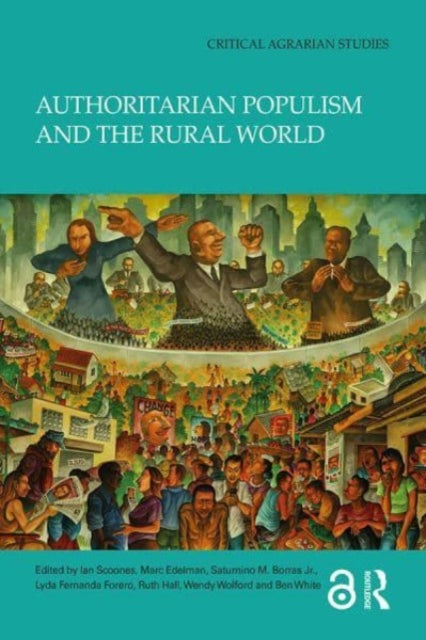
Authoritarian Populism and the Rural World
Authoritarian Populism and the Rural World
💎 Earn 221 Points (£2.21) on this item.
We can order this item for you. Delivery usually takes about 4 to 6 weeks.
This item is not held in our immediate stock. We will order it for you after checkout.
Estimated delivery: About 4 to 6 weeks
YOU SAVE £2.63
- Condition: Brand new
- UK Delivery times: Usually arrives within 2 - 3 working days
- UK Shipping: Fee starts at £2.39. Subject to product weight & dimension
Bulk ordering. Want 15 or more copies? Get a personalised quote and bigger discounts. Learn more about bulk orders.
Couldn't load pickup availability
- More about Authoritarian Populism and the Rural World
Authoritarian Populism and the Rural World explores the rise of authoritarian and populist leaders and the implications for rural actors and settings. It includes 20 chapters written by contributors to the Emancipatory Rural Politics Initiative (ERPI), a global network of academics and activists committed to reflective analysis and political engagement. The book highlights the rural aspects of these debates, emphasizing the importance of understanding the drivers of authoritarianism and populism and potential counter-movements in rural areas.
Format: Paperback / softback
Length: 504 pages
Publication date: 25 September 2023
Publisher: Taylor & Francis Ltd
The emergence of authoritarian, nationalist forms of populism poses significant challenges for rural actors and settings, with far-reaching implications for political action. In response, Authoritarian Populism and the Rural World delves into the rural roots and consequences of the rise of authoritarian and populist leaders worldwide, as well as the emergence of multi-class mobilisation and resistance, alongside broader counter-movements and alternative practices. This comprehensive book features 20 chapters authored by contributors to the Emancipatory Rural Politics Initiative (ERPI), a global network of academics and activists dedicated to both reflective analysis and political engagement.
While debates about 'populism,' 'nationalism,' and 'authoritarianism' have gained prominence recently, there has been limited attention paid to the rural dimensions of these phenomena. However, the rural aspects are crucial in understanding the underlying drivers of authoritarianism and populism, as well as potential counter-movements to these trends. Whether driven by land grabs, extractivist practices, infrastructural neglect, or lack of services, rural peoples' disillusionment with their status quo has had profound and sometimes conflicting consequences.
The chapters in this book explore these complexities through a range of case studies and analytical perspectives. They shed light on the experiences of rural communities in different parts of the world, including Latin America, Africa, Asia, and Europe. The authors examine the ways in which authoritarianism and populism have impacted rural livelihoods, social structures, and political agency, as well as the strategies employed by rural actors to resist and challenge these forces.
One of the key themes explored in the book is the role of rural women in resisting and challenging authoritarianism and nationalist populism. Rural women often face unique challenges and vulnerabilities, but they also play a vital role in shaping rural communities and advocating for their rights. The chapters highlight the experiences of rural women leaders, activists, and community members who have been at the forefront of resistance movements, challenging patriarchal norms, promoting gender equality, and protecting natural resources.
Another important theme is the role of rural youth in shaping the political landscape. Young people in rural areas often face high levels of unemployment, social exclusion, and lack of opportunities, which can contribute to feelings of frustration and disillusionment. However, they also have the potential to be powerful agents of change, mobilising for social justice and political empowerment. The chapters explore the strategies employed by rural youth to organise, advocate, and participate in political processes, as well as the challenges they face in doing so.
The book also examines the broader social and economic factors that contribute to the rise of authoritarianism and nationalist populism in rural areas. It explores the impact of globalisation, neoliberal policies, and the concentration of wealth and power in urban centres on rural communities. The authors argue that these factors have created a sense of marginalisation and disempowerment in rural areas, which has been exploited by authoritarian and populist leaders to gain support.
In addition to these themes, the book also discusses the role of alternative practices and movements in resisting and challenging authoritarianism and nationalist populism. It highlights the importance of community-based organising, grassroots activism, and the development of alternative economic models that promote social justice and sustainability. The chapters showcase the successes and challenges of these alternative practices in different rural contexts, and provide insights into the potential for building broader social movements that can challenge authoritarianism and nationalist populism.
Overall, Authoritarian Populism and the Rural World is a valuable contribution to the field of critical agrarian studies. It provides a comprehensive and nuanced analysis of the rural dimensions of authoritarianism and nationalist populism, and offers insights into the strategies employed by rural actors to resist and challenge these forces. The book will be of interest to scholars, activists, and policymakers working in the fields of rural development, social justice, and political anthropology.
Introduction:
The rise of authoritarian, nationalist forms of populism poses significant challenges for rural actors and settings, with far-reaching implications for political action. In response, Authoritarian Populism and the Rural World delves into the rural roots and consequences of the rise of authoritarian and populist leaders worldwide, as well as the emergence of multi-class mobilisation and resistance, alongside broader counter-movements and alternative practices. This comprehensive book features 20 chapters authored by contributors to the Emancipatory Rural Politics Initiative (ERPI), a global network of academics and activists dedicated to both reflective analysis and political engagement.
While debates about 'populism,' 'nationalism,' and 'authoritarianism' have gained prominence recently, there has been limited attention paid to the rural dimensions of these phenomena. However, the rural aspects are crucial in understanding the underlying drivers of authoritarianism and populism, as well as potential counter-movements to these trends. Whether driven by land grabs, extractivist practices, infrastructural neglect, or lack of services, rural peoples' disillusionment with their status quo, has had profound and sometimes conflicting consequences.
The chapters in this book explore these complexities through a range of case studies and analytical perspectives. They shed light on the experiences of rural communities in different parts of the world, including Latin America, Africa, Asia, and Europe. The authors examine the ways in which authoritarianism and populism have impacted rural livelihoods, social structures, and political agency, as well as the strategies employed by rural actors to resist and challenge these forces.
One of the key themes explored in the book is the role of rural women in resisting and challenging authoritarianism and nationalist populism. Rural women often face unique challenges and vulnerabilities, but they also play a vital role in shaping rural communities and advocating for their rights. The chapters highlight the experiences of rural women leaders, activists, and community members who have been at the forefront of resistance movements, challenging patriarchal norms, promoting gender equality, and protecting natural resources.
Another important theme is the role of rural youth in shaping the political landscape. Young people in rural areas often face high levels of unemployment, social exclusion, and lack of opportunities, which can contribute to feelings of frustration and disillusionment. However, they also have the potential to be powerful agents of change, mobilising for social justice and political empowerment. The chapters explore the strategies employed by rural youth to organise, advocate, and participate in political processes, as well as the challenges they face in doing so.
The book also examines the broader social and economic factors that contribute to the rise of authoritarianism and nationalist populism in rural areas. It explores the impact of globalisation, neoliberal policies, and the concentration of wealth and power in urban centres on rural communities. The authors argue that these factors have created a sense of marginalisation and disempowerment in rural areas, which has been exploited by authoritarian and populist leaders to gain support.
In addition to these themes, the book also discusses the role of alternative practices and movements in resisting and challenging authoritarianism and nationalist populism. It highlights the importance of community-based organising, grassroots activism, and the development of alternative economic models that promote social justice and sustainability. The chapters showcase the successes and challenges of these alternative practices in different rural contexts, and provide insights into the potential for building broader social movements that can challenge authoritarianism and nationalist populism.
Overall, Authoritarian Populism and the Rural World is a valuable contribution to the field of critical agrarian studies. It provides a comprehensive and nuanced analysis of the rural dimensions of authoritarianism and nationalist populism, and offers insights into the strategies employed by rural actors to resist and challenge these forces. The book will be of interest to scholars, activists, and policymakers working in the fields of rural development, social justice, and political anthropology.
Weight: 453g
Dimension: 246 x 174 (mm)
ISBN-13: 9780367753948
UK and International shipping information
UK and International shipping information
UK Delivery and returns information:
- Delivery within 2 - 3 days when ordering in the UK.
- Shipping fee for UK customers from £2.39. Fully tracked shipping service available.
- Returns policy: Return within 30 days of receipt for full refund.
International deliveries:
Shulph Ink now ships to Australia, Belgium, Canada, France, Germany, Ireland, Italy, India, Luxembourg Saudi Arabia, Singapore, Spain, Netherlands, New Zealand, United Arab Emirates, United States of America.
- Delivery times: within 5 - 10 days for international orders.
- Shipping fee: charges vary for overseas orders. Only tracked services are available for most international orders. Some countries have untracked shipping options.
- Customs charges: If ordering to addresses outside the United Kingdom, you may or may not incur additional customs and duties fees during local delivery.