Martha E. H. Rustad
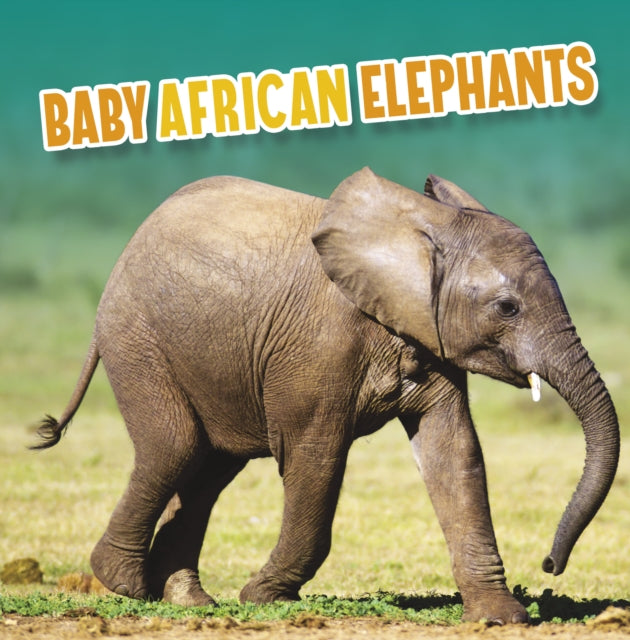
Baby African Elephants
Baby African Elephants
💎 Earn 28 Points (£0.28) on this item.
YOU SAVE £2.34
- Condition: Brand new
- UK Delivery times: Usually arrives within 2 - 3 working days
- UK Shipping: Fee starts at £2.39. Subject to product weight & dimension
Bulk ordering. Want 15 or more copies? Get a personalised quote and bigger discounts. Learn more about bulk orders.
Couldn't load pickup availability
- More about Baby African Elephants
A new African elephant calf has joined the herd. Learn about these big babies, including what they eat, weigh, how they're raised, and how big they grow.
Format: Paperback / softback
Length: 24 pages
Publication date: 19 January 2023
Publisher: Capstone Global Library Ltd
The African elephant herd is growing! A new baby elephant calf has recently joined the group. Discover all there is to know about these magnificent creatures, from their diet to their weight, upbringing, and growth.
The African elephant is a magnificent creature, known for its size, strength, and intelligence. These giants of the animal kingdom can weigh up to six tons and stand up to three meters tall at the shoulder. They are the largest land mammals on Earth and are found primarily in Africa, with smaller populations in Asia and India.
African elephants are herbivores, which means they primarily eat plants. Their diet consists of a variety of grasses, leaves, fruits, and bark. These animals are very selective in their eating habits and will often spend hours grazing and browsing for the perfect food.
One of the most interesting aspects of African elephants is their social behavior. These animals are highly social and live in large groups called herds. Herds can consist of up to 30 individuals, including females, calves, and males. Male elephants are known as bulls and are responsible for protecting the herd from predators. They will often engage in fierce battles with other males to establish dominance and protect their territory.
Female elephants, on the other hand, are known as cows and are responsible for raising the calves. They will nurse their young for up to two years and will spend much of their time caring for and protecting them. Cows are also very social and will often form close bonds with other members of the herd.
African elephant calves are born weighing around 100 kilograms and are the size of a small motorcycle. They grow rapidly during their first few years of life, gaining around 100 kilograms each year. By the time they reach adulthood, they can weigh up to six tons and stand up to three meters tall at the shoulder.
One of the most challenging aspects of raising African elephant calves is protecting them from predators. These animals are preyed upon by lions, leopards, and hyenas, among others. To protect their young, herds will often move to new areas and will use various techniques to deter predators, such as creating noise and using their size and strength to intimidate potential threats.
Another important aspect of raising African elephant calves is providing them with the necessary nutrients to grow and develop. Elephants are herbivores, which means they require a high-quality diet to maintain their health and vitality. Herds will often travel long distances to access the best grazing and will spend hours feeding and browsing for the perfect plants.
In addition to their diet and social behavior, African elephants are also known for their intelligence and problem-solving abilities. These animals are capable of complex tasks, such as using tools, communicating with each other, and solving puzzles. They are also very social and will often form close bonds with their handlers and trainers.
Despite their many positive qualities, African elephants are facing several threats, including habitat loss, poaching, and human-wildlife conflict. Habitat loss occurs when forests and grasslands are converted to agriculture or urban development, which reduces the amount of space and food available for elephants. Poaching is a major threat to African elephants, as they are hunted for their ivory tusks, which are used in jewelry and other products. Human-wildlife conflict occurs when humans and elephants come into contact with each other, which can be dangerous for both parties.
To protect African elephants and their habitats, conservation efforts are being made around the world. These efforts include habitat protection, anti-poaching patrols, and education and awareness campaigns. Governments, non-profit organizations, and individuals are all working together to ensure that these magnificent creatures can continue to thrive in the wild.
In conclusion, the African elephant is a magnificent creature, known for its size, strength, and intelligence. These giants of the animal kingdom are facing several threats, but conservation efforts are being made to protect them and their habitats. By learning more about these animals and the challenges they face, we can all work together to ensure that African elephants can continue to thrive in the wild for generations to come.
The African elephant is a magnificent creature, known for its size, strength, and intelligence. These giants of the animal kingdom can weigh up to six tons and stand up to three meters tall at the shoulder. They are the largest land mammals on Earth and are found primarily in Africa, with smaller populations in Asia and India.
African elephants are herbivores, which means they primarily eat plants. Their diet consists of a variety of grasses, leaves, fruits, and bark. These animals are very selective in their eating habits and will often spend hours grazing and browsing for the perfect food.
One of the most interesting aspects of African elephants is their social behavior. These animals are highly social and live in large groups called herds. Herds can consist of up to 30 individuals, including females, calves, and males. Male elephants are known as bulls and are responsible for protecting the herd from predators. They will often engage in fierce battles with other males to establish dominance and protect their territory.
Female elephants, on the other hand, are known as cows and are responsible for raising the calves. They will nurse their young for up to two years and will spend much of their time caring for and protecting them. Cows are also very social and will often form close bonds with other members of the herd.
African elephant calves are born weighing around 100 kilograms and are the size of a small motorcycle. They grow rapidly during their first few years of life, gaining around 100 kilograms each year. By the time they reach adulthood, they can weigh up to six tons and stand up to three meters tall at the shoulder.
One of the most challenging aspects of raising African elephant calves is protecting them from predators. These animals are preyed upon by lions, leopards, and hyenas, among others. To protect their young, herds will often move to new areas and will use various techniques to deter predators, such as creating noise and using their size and strength to intimidate potential threats.
Another important aspect of raising African elephant calves is providing them with the necessary nutrients to grow and develop. Elephants are herbivores, which means they require a high-quality diet to maintain their health and vitality. Herds will often travel long distances to access the best grazing and will spend hours feeding and browsing for the perfect plants.
In addition to their diet and social behavior, African elephants are also known for their intelligence and problem-solving abilities. These animals are capable of complex tasks, such as using tools, communicating with each other, and solving puzzles. They are also very social and will often form close bonds with their handlers and trainers.
Despite their many positive qualities, African elephants are facing several threats, including habitat loss, poaching, and human-wildlife conflict. Habitat loss occurs when forests and grasslands are converted to agriculture or urban development, which reduces the amount of space and food available for elephants. Poaching is a major threat to African elephants, as they are hunted for their ivory tusks, which are used in jewelry and other products. Human-wildlife conflict occurs when humans and elephants come into contact with each other, which can be dangerous for both parties.
To protect African elephants and their habitats, conservation efforts are being made around the world. These efforts include habitat protection, anti-poaching patrols, and education and awareness campaigns. Governments, non-profit organizations, and individuals are all working together to ensure that these magnificent creatures can continue to thrive in the wild.
In conclusion, the African elephant is a magnificent creature, known for its size, strength, and intelligence. These giants of the animal kingdom are facing several threats, but conservation efforts are being made to protect them and their habitats. By learning more about these animals and the challenges they face, we can all work together to ensure that African elephants can continue to thrive in the wild for generations to come.
Weight: 86g
Dimension: 202 x 201 x 7 (mm)
ISBN-13: 9781398223783
UK and International shipping information
UK and International shipping information
UK Delivery and returns information:
- Delivery within 2 - 3 days when ordering in the UK.
- Shipping fee for UK customers from £2.39. Fully tracked shipping service available.
- Returns policy: Return within 30 days of receipt for full refund.
International deliveries:
Shulph Ink now ships to Australia, Belgium, Canada, France, Germany, Ireland, Italy, India, Luxembourg Saudi Arabia, Singapore, Spain, Netherlands, New Zealand, United Arab Emirates, United States of America.
- Delivery times: within 5 - 10 days for international orders.
- Shipping fee: charges vary for overseas orders. Only tracked services are available for most international orders. Some countries have untracked shipping options.
- Customs charges: If ordering to addresses outside the United Kingdom, you may or may not incur additional customs and duties fees during local delivery.