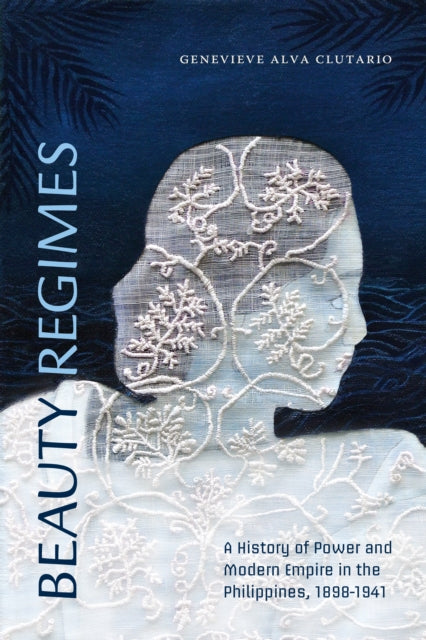
Genevieve Alva Clutario
Beauty Regimes: A History of Power and Modern Empire in the Philippines, 1898-1941
Beauty Regimes: A History of Power and Modern Empire in the Philippines, 1898-1941
💎 Earn 119 Points (£1.19) on this item.
YOU SAVE £5.03
- Condition: Brand new
- UK Delivery times: Usually arrives within 2 - 3 working days
- UK Shipping: Fee starts at £2.39. Subject to product weight & dimension
Bulk ordering. Want 15 or more copies? Get a personalised quote and bigger discounts. Learn more about bulk orders.
Couldn't load pickup availability
- More about Beauty Regimes: A History of Power and Modern Empire in the Philippines, 1898-1941
During the transition between Spanish, US, and Japanese empires, Genevieve Alva Clutario explores how beauty and fashion in the Philippines shaped imperial expansion and modern nation-building.
Format: Paperback / softback
Length: 352 pages
Publication date: 03 March 2023
Publisher: Duke University Press
Genevieve Alva Clutario delves into the captivating relationship between beauty and fashion in the Philippines, exploring how these two realms intricately shaped the intertwined projects of imperial expansion and modern nation building during the tumultuous transition between the Spanish, American, and Japanese empires. This insightful study uncovers the profound impact that aesthetics had on the political, social, and cultural landscape of the Philippines, highlighting the ways in which fashion and beauty became powerful tools for asserting national identity, promoting cultural heritage, and forging diplomatic connections with other nations.
The Spanish colonization of the Philippines brought with it a new cultural landscape, blending indigenous traditions with European influences. The Filipinos, known for their vibrant and colorful fashion, quickly adopted the styles and trends of the colonizers, creating a unique blend of Spanish and Filipino fashion. This fusion of cultures resulted in the development of a distinctive fashion culture that reflected the country's rich heritage and diversity.
During the American colonization, the Filipinos continued to embrace their fashion traditions, but they also incorporated elements of American culture into their designs. The introduction of Western-style clothing, such as jeans, dresses, and hats, became popular among the Filipino population, as did the adoption of American sports and leisure activities. This period also saw the rise of fashion magazines and fashion shows, which further promoted the country's fashion industry.
However, the Japanese occupation of the Philippines during World War II brought about significant changes in the country's fashion and beauty industry. The Japanese military government imposed strict regulations on clothing and beauty, prohibiting the use of Western-style clothing and promoting the use of traditional Japanese clothing and beauty practices. This period also saw the rise of a new fashion culture, known as "Filipiniana," which blended traditional Filipino clothing with Japanese influences.
Despite the challenges posed by the Japanese occupation, the Filipinos continued to express their creativity and individuality through fashion. They used fashion to protest against the Japanese occupation and to promote their cultural heritage. Fashion shows and competitions were held to showcase the country's fashion industry, and fashion designers and models emerged to become prominent figures in the Philippines' fashion scene.
In conclusion, beauty and fashion in the Philippines played a crucial role in shaping the country's imperial expansion and modern nation building during the turbulent transition between the Spanish, American, and Japanese empires. The Filipinos' vibrant and colorful fashion, combined with their unique cultural heritage, helped to assert their national identity and promote cultural heritage. The introduction of Western-style clothing and the rise of fashion magazines and fashion shows further contributed to the country's fashion industry. However, the Japanese occupation brought about significant changes in the country's fashion and beauty industry, which the Filipinos responded to with creativity and resilience. Today, the Philippines' fashion and beauty industry continues to thrive, with fashion designers and models emerging as prominent figures in the global fashion scene.
Weight: 528g
Dimension: 152 x 230 x 23 (mm)
ISBN-13: 9781478019640
UK and International shipping information
UK and International shipping information
UK Delivery and returns information:
- Delivery within 2 - 3 days when ordering in the UK.
- Shipping fee for UK customers from £2.39. Fully tracked shipping service available.
- Returns policy: Return within 30 days of receipt for full refund.
International deliveries:
Shulph Ink now ships to Australia, Belgium, Canada, France, Germany, Ireland, Italy, India, Luxembourg Saudi Arabia, Singapore, Spain, Netherlands, New Zealand, United Arab Emirates, United States of America.
- Delivery times: within 5 - 10 days for international orders.
- Shipping fee: charges vary for overseas orders. Only tracked services are available for most international orders. Some countries have untracked shipping options.
- Customs charges: If ordering to addresses outside the United Kingdom, you may or may not incur additional customs and duties fees during local delivery.