Dr Kate Gregorevic
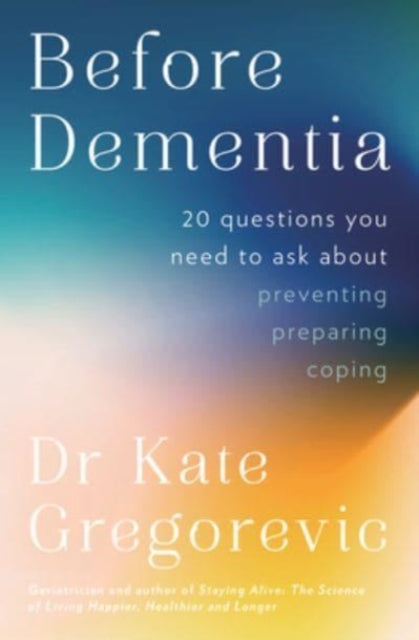
Before Dementia: 20 questions you need to ask about understanding, preventing, preparing for and coping with dementia from the specialist d
Before Dementia: 20 questions you need to ask about understanding, preventing, preparing for and coping with dementia from the specialist d
💎 Earn 53 Points (£0.53) on this item.
YOU SAVE £4.38
- Condition: Brand new
- UK Delivery times: Usually arrives within 2 - 3 working days
- UK Shipping: Fee starts at £2.39. Subject to product weight & dimension
Bulk ordering. Want 15 or more copies? Get a personalised quote and bigger discounts. Learn more about bulk orders.
Couldn't load pickup availability
- More about Before Dementia: 20 questions you need to ask about understanding, preventing, preparing for and coping with dementia from the specialist d
This book provides insights into dementia, its causes, symptoms, and treatment, as well as strategies for preventing, preparing, coping, and understanding the condition. It aims to help individuals with dementia and their caregivers navigate the challenges of the disease.
Format: Paperback / softback
Length: 336 pages
Publication date: 17 August 2023
Publisher: ABC Books
Chances are you know someone with dementia, but how well do you really understand the condition? Dementia is a complex interplay of biological, social, and psychological factors, and understanding it means understanding more about society and ourselves.
Approaching the topic through 20 insightful questions, Dr. Kate Gregorevic explains the physical state of dementia, how to relate the diagnosis to real life, what questions to ask your doctor, what might be done to prevent the condition, and how we can make our homes and society better for people with dementia.
While this book tackles some uncomfortable questions, its purpose is to help – to prevent, to prepare, to cope, and to understand – and provide you with strategies for moving forward.
Physical State of Dementia:
Dementia is a progressive neurological disorder that affects memory, thinking, behavior, and social abilities. It is caused by the damage or death of brain cells, which leads to a decrease in brain function. The physical state of dementia can vary depending on the type of dementia and the severity of the condition.
Some common physical symptoms of dementia include:
Memory loss: People with dementia may struggle to remember recent events, names, and faces. They may also have difficulty with language, such as finding the right words or remembering common phrases.
Confusion: Dementia patients may become confused about time, place, and people. They may also have difficulty with spatial awareness and may get lost easily.
Impairment in judgment and decision-making: Dementia patients may make poor decisions, such as spending money unnecessarily or giving away valuable possessions. They may also have difficulty with problem-solving and may struggle to follow instructions.
Changes in mood and behavior: Dementia patients may experience mood swings, such as depression, anxiety, or irritability. They may also have difficulty with social interactions and may withdraw from family and friends.
How to Relate the Diagnosis to Real Life:
Understanding the physical state of dementia is important, but it is also important to relate the diagnosis to real life. This means understanding how the condition affects daily activities, relationships, and quality of life.
Here are some questions to ask your doctor about the diagnosis:
What type of dementia do I have? There are several types of dementia, including Alzheimer's disease, vascular dementia, and Lewy body dementia. Each type has its own symptoms and treatment options.
What is the severity of my condition? The severity of dementia can vary from mild to severe. It is important to know how the condition is progressing and what steps can be taken to manage it.
What are the treatment options for my condition? There are several treatment options for dementia, including medication, behavioral therapy, and support services. It is important to discuss the benefits and risks of each treatment option with your doctor.
What can I do to manage my symptoms? There are several strategies that can be used to manage the symptoms of dementia, including:
Keeping a regular schedule: Keeping a regular schedule can help people with dementia maintain their memory and cognitive function.
Creating a safe environment: Creating a safe environment can help reduce the risk of falls and other accidents. This can include installing safety features such as grab bars, shower seats, and raised toilet seats.
Providing support: Providing support to people with dementia can help reduce stress and improve their quality of life. This can include providing emotional support, helping with daily activities, and accessing support services.
What are the warning signs of worsening dementia? It is important to be aware of the warning signs of worsening dementia, such as:
Increased memory loss: If memory loss is increasing, it may be a sign that the condition is progressing.
Confusion: If confusion is increasing, it may be a sign that the condition is progressing.
Impairment in judgment and decision-making: If impairment in judgment and decision-making is increasing, it may be a sign that the condition is progressing.
Changes in mood and behavior: If changes in mood and behavior are increasing, it may be a sign that the condition is progressing.
What are the long-term effects of dementia? Dementia can have a significant impact on the long-term effects of the condition. It can lead to increased dependence on others, difficulty with daily activities, and a decrease in quality of life.
Preventing Dementia:
While there is no cure for dementia, there are several steps that can be taken to reduce the risk of developing the condition. These include:
Healthy lifestyle: A healthy lifestyle can reduce the risk of developing dementia. This includes eating a healthy diet, exercising regularly, and avoiding smoking and excessive alcohol consumption.
Regular mental stimulation: Regular mental stimulation can help reduce the risk of developing dementia. This can include reading, playing games, and engaging in social activities.
Stress management: Stress management can help reduce the risk of developing dementia. This can include practicing relaxation techniques, such as meditation or deep breathing, and seeking support from friends and family.
Early diagnosis and treatment: Early diagnosis and treatment can help reduce the risk of developing dementia. This can include regular check-ups with a doctor and seeking treatment for any underlying health conditions.
Making Homes and Society Better for People with Dementia:
Making homes and society better for people with dementia is important to ensure that they receive the support and care they need. This can include:
Creating a dementia-friendly environment: Creating a dementia-friendly environment can help reduce the risk of accidents and confusion. This can include installing low-level lighting, removing clutter, and using clear labels and signs.
Providing support services: Providing support services can help reduce the stress and burden of caring for people with dementia. This can include providing respite care, home care, and support groups.
Educating others: Educating others about dementia can help reduce stigma and increase understanding. This can include providing information to family members, friends, and community members.
Conclusion:
Dementia is a complex neurological disorder that affects memory, thinking, behavior, and social abilities. Understanding the physical state of dementia, how to relate the diagnosis to real life, what questions to ask your doctor, what might be done to prevent the condition, and how we can make our homes and society better for people with dementia is important. By taking steps are steps to reduce the risk of developing dementia, such as a healthy lifestyle, regular mental stimulation, stress management, and early diagnosis and treatment, we can help improve the quality of life for people with dementia and ensure that they receive the support and care they need.
By creating a dementia-friendly environment, providing support services, and educating others, we can help reduce stigma and increase understanding of dementia. This can lead to a better understanding of society and ourselves and a more compassionate and inclusive society for all.
Weight: 448g
Dimension: 153 x 236 x 31 (mm)
ISBN-13: 9780733342226
UK and International shipping information
UK and International shipping information
UK Delivery and returns information:
- Delivery within 2 - 3 days when ordering in the UK.
- Shipping fee for UK customers from £2.39. Fully tracked shipping service available.
- Returns policy: Return within 30 days of receipt for full refund.
International deliveries:
Shulph Ink now ships to Australia, Belgium, Canada, France, Germany, Ireland, Italy, India, Luxembourg Saudi Arabia, Singapore, Spain, Netherlands, New Zealand, United Arab Emirates, United States of America.
- Delivery times: within 5 - 10 days for international orders.
- Shipping fee: charges vary for overseas orders. Only tracked services are available for most international orders. Some countries have untracked shipping options.
- Customs charges: If ordering to addresses outside the United Kingdom, you may or may not incur additional customs and duties fees during local delivery.