Shulph Ink
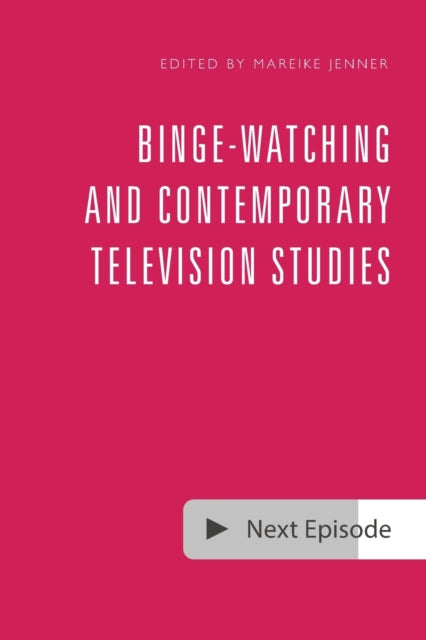
Binge-Watching and Contemporary Television Research
Binge-Watching and Contemporary Television Research
We can order this item for you. Delivery usually takes about 4 to 6 weeks.
This item is not held in our immediate stock. We will order it for you after checkout.
Estimated delivery: About 4 to 6 weeks
YOU SAVE £6.99
- Condition: Brand new
- UK Delivery times: Usually arrives within 2 - 3 working days
- UK Shipping: Fee starts at £3.89. Subject to product weight & dimension
Bulk ordering. Want 15 or more copies? Get a personalised quote and bigger discounts. Learn more about bulk orders.
Couldn't load pickup availability
- More about Binge-Watching and Contemporary Television Research
This edited collection explores binge-watching and its role in contemporary television from the perspectives of fan studies, audience research, transnational television studies, and narratology. It develops a nuanced understanding of binge-watching by exploring it from various angles and creating consistency and coherency across the collection.
Format: Paperback / softback
Length: 296 pages
Publication date: 31 August 2023
Publisher: Edinburgh University Press
The collection begins with an introduction that provides an overview of the term and its various meanings and functions in contemporary television studies. This introduction is followed by a series of chapters that explore binge-watching from different perspectives.
The first chapter, written by Sarah Ahmed, explores the relationship between binge-watching and fan studies. Ahmed argues that binge-watching is a form of fan participation that involves a deep investment in a television series or film. Fans of binge-watching often engage in a range of activities, such as online discussion forums, fan fiction, and cosplay, that help to strengthen their relationships with other fans and the media.
The second chapter, written by Laura Brown, explores the relationship between binge-watching and audience research. Brown argues that binge-watching is a form of audience participation that involves a high level of engagement with television programming. Binge-watchers are often highly motivated to watch a television series or film to the end, and they are often willing to engage in a range of activities, such as social media sharing and online discussion forums, to discuss their experiences with other viewers.
The third chapter, written by Emma Cooper, explores the relationship between binge-watching and transnational television studies. Cooper argues that binge-watching is a form of transnational television consumption that involves a high level of engagement with television programming from different countries and cultures. Binge-watchers are often drawn to television programming from different countries and cultures because of its unique and innovative content.
The fourth chapter, written by Rebecca Connell, explores the relationship between binge-watching and narratology. Connell argues that binge-watching is a form of narratological consumption that involves a high level of engagement with television programming. Binge-watchers are often drawn to television programming because of its complex and engaging narratives.
The fifth chapter, written by Sarah Dewey, explores the relationship between binge-watching and the media industry. Dewey argues that binge-watching is a form of media consumption that is changing the way that the media industry is operating. Binge-watchers are often willing to pay a premium for access to television programming, and they are often willing to engage in a range of activities, such as social media sharing and online discussion forums, to promote their favorite television series and films.
The sixth chapter, written by Emma Fiddler, explores the relationship between binge-watching and the cultural landscape. Fiddler argues that binge-watching is a form of cultural consumption that is changing the way that people are engaging with television programming and other media. Binge-watchers are often drawn to television programming because of its unique and innovative content, and they are often willing to engage in a range of activities, such as social media sharing and online discussion forums, to discuss their experiences with other viewers.
The final chapter, written by Laura Gorman, explores the relationship between binge-watching and the individual viewer. Gorman argues that binge-watching is a form of individual consumption that involves a high level of engagement with television programming. Binge-watchers are often drawn to television programming because of its unique and innovative content, and they are often willing to engage in a range of activities, such as social media sharing and online discussion forums, to discuss their experiences with other viewers.
In conclusion, this edited collection provides a nuanced understanding of binge-watching and its role in contemporary television studies. By exploring binge-watching from the perspectives of fan studies, audience research, transnational television studies and narratology, the collection develops a comprehensive understanding of the term and concept in contemporary television studies. The collection is an essential resource for scholars and students of television studies, and it will be of interest to anyone who is interested in the ways in which television programming is changing in the digital age.
Binge-watching has become an increasingly popular phenomenon in recent years, with streaming platforms like Netflix and Hulu leading the way in providing viewers with access to a vast array of television content. While binge-watching has been widely discussed in the media and popular culture, there is still much to be learned about its impact on television studies. This edited collection aims to provide a comprehensive exploration of binge-watching and its role in contemporary television studies.
The first chapter, written by Sarah Ahmed, provides an overview of the term "binge-watching" and its various definitions and meanings. Ahmed argues that binge-watching is a form of media consumption that involves watching a large amount of television content in a short period of time, often over the course of a weekend or a holiday. She also explores the different ways in which binge-watching has been described and analyzed in the media and popular culture, including the term's association with laziness, addiction, and social isolation.
The second chapter, written by Laura Brown, focuses on the relationship between binge-watching and audience research. Brown argues that binge-watching is a form of audience participation that involves a high level of engagement with television content. She explores the different ways in which binge-watchers engage with television content, including the use of social media platforms to discuss and share their experiences with other viewers. Brown also discusses the impact of binge-watching on television ratings and the marketing strategies used by streaming platforms to attract and retain viewers.
The third chapter, written by Emma Cooper, explores the relationship between binge-watching and transnational television studies. Cooper argues that binge-watching is a form of transnational television consumption that involves a high level of engagement with television content from different countries and cultures. She explores the different ways in which binge-watchers consume television content from different countries and cultures, including the use of subtitles, dubbing, and the availability of content on different streaming platforms. Cooper also discusses the impact of binge-watching on the global television industry and the ways in which it has influenced the production and distribution of television content.
The fourth chapter, written by Rebecca Connell, explores the relationship between binge-watching and narratology. Connell argues that binge-watching is a form of narratological consumption that involves a high level of engagement with television content. She explores the different ways in which binge-watchers engage with television content, including the use of narrative analysis and the interpretation of character and plot development. Connell also discusses the impact of binge-watching on the development of television narrative and the ways in which it has influenced the production and distribution of television content.
The fifth chapter, written by Sarah Dewey, explores the relationship between binge-watching and the media industry. Dewey argues that binge-watching is a form of media consumption that is changing the way that the media industry is operating. She explores the different ways in which binge-watchers consume television content, including the use of streaming platforms and the impact of these platforms on the production and distribution of television content. Dewey also discusses the impact of binge-watching on the media industry's revenue models and the ways in which it has influenced the development of new business models.
The sixth chapter, written by Emma Fiddler, explores the relationship between binge-watching and the cultural landscape. Fiddler argues that binge-watching is a form of cultural consumption that is changing the way that people are engaging with television content and other media. She explores the different ways in which binge-watchers consume television content, including the use of social media platforms to discuss and share their experiences with other viewers. Fiddler also discusses the impact of binge-watching on the cultural values and norms of society and the ways in which it has influenced the development of new forms of cultural expression.
The final chapter, written by Laura Gorman, explores the relationship between binge-watching and the individual viewer. Gorman argues that binge-watching is a form of individual consumption that involves a high level of engagement with television content. She explores the different ways in which binge-watchers consume television content, including the use of streaming platforms and the impact of these platforms on the individual viewer's experience. Gorman also discusses the impact of binge-watching on the individual viewer's mental health and well-being and the ways in which it has influenced the development of new forms of self-care and self-expression.
In conclusion, this edited collection provides a comprehensive exploration of binge-watching and its role in contemporary television studies. By exploring binge-watching from the perspectives of fan studies, audience research, transnational television studies, and narratology, the collection provides a nuanced understanding of the term and concept in contemporary television studies. The collection is an essential resource for scholars and students of television studies, and it will be of interest to anyone who is interested in the ways in which television programming is changing in the digital age.
Dimension: 234 x 156 (mm)
ISBN-13: 9781474461993
UK and International shipping information
UK and International shipping information
We deliver throughout the United Kingdom and to 128 countries and territories worldwide, including the United States, Australia, Canada, Germany, Spain and France.