Shulph Ink
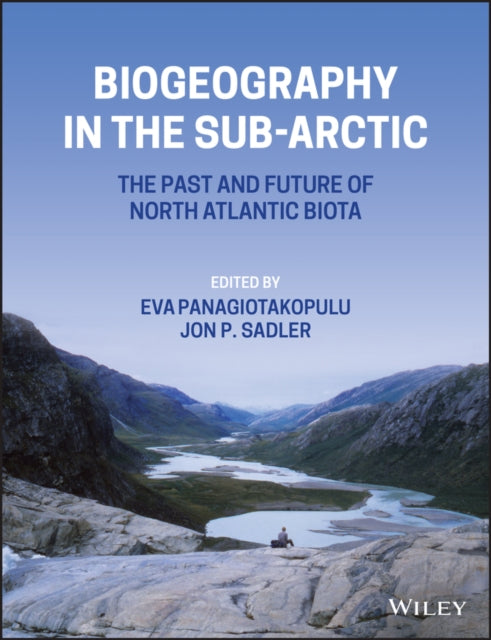
Biogeography in the Sub-Arctic: The Past and Future of North Atlantic Biotas
Biogeography in the Sub-Arctic: The Past and Future of North Atlantic Biotas
💎 Earn 367 Points (£3.67) on this item.
YOU SAVE £9.54
- Condition: Brand new
- UK Delivery times: Usually arrives within 2 - 3 working days
- UK Shipping: Fee starts at £2.39. Subject to product weight & dimension
Bulk ordering. Want 15 or more copies? Get a personalised quote and bigger discounts. Learn more about bulk orders.
Couldn't load pickup availability
- More about Biogeography in the Sub-Arctic: The Past and Future of North Atlantic Biotas
The North Atlantic Island biogeography is peculiar due to its location, climate changes, and introduction of insect species. Biologists and biogeographers are interested in the region's unique physical and biological characteristics, and debates exist over cryptic refugia, human communities, and global warming resilience. This volume brings together researchers from diverse academic backgrounds to evaluate these questions.
Format: Hardback
Length: 400 pages
Publication date: 10 June 2021
Publisher: John Wiley & Sons Inc
The North Atlantic Region's island biogeography is truly unique, situated in the northern part of the Atlantic Ocean. Unlike other island groups further south, these islands have experienced significant climate shifts over the past few million years, making them less resilient to the effects of Quaternary climate changes. Interestingly, there is only one documented extinction in the North Atlantic (the Great Auk), and most insect species in Iceland and Greenland are introduced. The faunas, excluding Greenland, are predominantly of Palaearctic origin and share close affinities with the faunas of Scandinavia, the British Isles, and other regions.
Biologists and biogeographers have been fascinated by these unique physical and biological characteristics for centuries. The key debates surrounding the biogeography of the North Atlantic islands continue to be lively: Do the biota reflect cryptic refugia or have they been shaped by human communities and recolonization? How important have human activities been in shaping the existing biota and biogeographical patterns?
Adding to the complexity is the current concern over global warming, which raises questions about the resilience of the biota to natural and anthropogenic changes. This volume brings together a diverse group of researchers with long-standing research interests in the region, from various academic backgrounds, to evaluate some of these pressing questions.
The North Atlantic islands have a rich history of ecological and evolutionary processes, and their biogeography is shaped by a combination of factors, including geological history, climate variability, and human impacts. The islands have been subjected to repeated glaciations and sea level changes, which have influenced the distribution and abundance of plant and animal species.
One of the most notable features of the North Atlantic islands is the introduction of non-native species. Many insect species, for example, have been introduced to Iceland and Greenland through human activities such as shipping and tourism. These introductions have had significant impacts on the local ecosystems, both positive and negative.
On the positive side, some non-native species have been able to adapt to the new environment and thrive in the North Atlantic islands. For example, some bird species have been able to colonize the islands and establish breeding populations, despite the challenges posed by harsh winters and limited food resources.
However, the introduction of non-native species can also have negative impacts. For example, some invasive plant species can outcompete native plants and disrupt ecosystems, leading to declines in biodiversity and ecosystem services. In addition, the introduction of non-native predators can have devastating effects on native species, leading to population declines and even extinction.
Another important aspect of the North Atlantic islands' biogeography is the role of human communities in shaping the existing biota and biogeographical patterns. The islands have been inhabited by humans for thousands of years, and their activities have had a profound impact on the local ecosystems.
For example, human hunting and fishing have influenced the distribution and abundance of many species, including whales, seals, and fish. Human settlements have also altered the landscape, leading to the loss of habitat and the fragmentation of ecosystems.
However, human communities can also play a role in conservation and restoration efforts. For example, many islands have established protected areas and sustainable management practices to protect their unique biodiversity and ecosystem services.
In conclusion, the North Atlantic Region's island biogeography is truly unique, with a combination of physical and biological characteristics that have interested biologists and biogeographers for centuries. The islands have experienced significant climate shifts, the introduction of non-native species, and the impact of human communities on the local ecosystems.
The key debates surrounding the biogeography of the North Atlantic islands continue to be lively, and the current concern over global warming adds an additional layer of complexity. This volume brings together a diverse group of researchers with long-standing research interests in the region to evaluate some of these pressing questions and contribute to our understanding of the biogeography and conservation of the North Atlantic islands.
Weight: 1056g
Dimension: 193 x 243 x 27 (mm)
ISBN-13: 9781118561478
This item can be found in:
UK and International shipping information
UK and International shipping information
UK Delivery and returns information:
- Delivery within 2 - 3 days when ordering in the UK.
- Shipping fee for UK customers from £2.39. Fully tracked shipping service available.
- Returns policy: Return within 30 days of receipt for full refund.
International deliveries:
Shulph Ink now ships to Australia, Belgium, Canada, France, Germany, Ireland, Italy, India, Luxembourg Saudi Arabia, Singapore, Spain, Netherlands, New Zealand, United Arab Emirates, United States of America.
- Delivery times: within 5 - 10 days for international orders.
- Shipping fee: charges vary for overseas orders. Only tracked services are available for most international orders. Some countries have untracked shipping options.
- Customs charges: If ordering to addresses outside the United Kingdom, you may or may not incur additional customs and duties fees during local delivery.