Shulph Ink
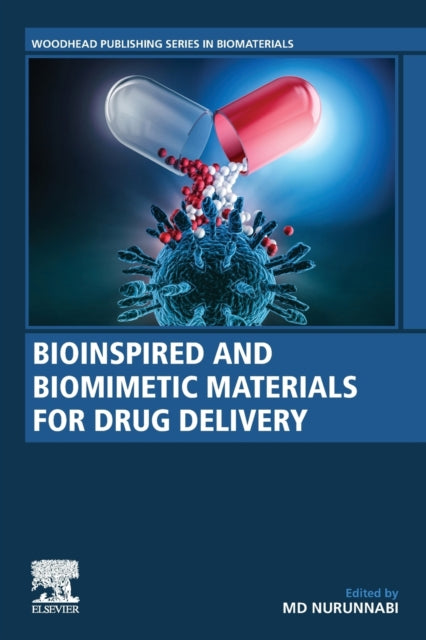
Bioinspired and Biomimetic Materials for Drug Delivery
Bioinspired and Biomimetic Materials for Drug Delivery
💎 Earn 980 Points (£9.80) on this item.
- Condition: Brand new
- UK Delivery times: Usually arrives within 2 - 3 working days
- UK Shipping: Fee starts at £2.39. Subject to product weight & dimension
Bulk ordering. Want 15 or more copies? Get a personalised quote and bigger discounts. Learn more about bulk orders.
Couldn't load pickup availability
- More about Bioinspired and Biomimetic Materials for Drug Delivery
Bioinspired and Biomimetic Materials for Drug Delivery explores the potential of bioinspired materials in drug delivery, covering polymer, small molecular, protein, peptide, cholesterol, polysaccharide, nano-crystal, and hybrid materials. Due to their high biocompatibility and reduced immunogenicity, these materials have shown promising results in therapeutics, such as dopamine, extracellular exosomes, bile acids, ionic liquids, and red blood cells.
Format: Paperback / softback
Length: 336 pages
Publication date: 22 July 2021
Publisher: Elsevier Science Publishing Co Inc
The potential of bioinspired and biomimetic materials in drug delivery is explored in great detail in Bioinspired and Biomimetic Materials for Drug Delivery. This comprehensive book delves into the various material types used in drug delivery research, including polymers, small molecules, proteins, peptides, cholesterol, polysaccharides, nano-crystals, and hybrid materials. Over the past decade, biomimetic and bioinspired materials and technology have gained significant attention in the field of drug delivery. These materials are highly biocompatible and have reduced immunogenicity, making them promising for use in therapeutics.
Dopamine, extracellular exosomes, bile acids, ionic liquids, and red blood cells are just a few examples of biomimetic and bioinspired materials that have shown promising results in drug delivery. Each of these materials is covered in depth in the book, with a review of their potential and usage in drug delivery. Bioinspired and Biomimetic Materials for Drug Delivery is an invaluable resource for biomaterials scientists, biomedical engineers, and those working in pharmaceutical research. It provides a comprehensive understanding of the latest developments in bioinspired and biomimetic materials and their potential applications in drug delivery.
The use of biomimetic and bioinspired materials in drug delivery has the potential to revolutionize the field of medicine. By mimicking the natural properties of biological systems, these materials can be designed to improve drug efficacy, reduce side effects, and enhance patient compliance. One of the key advantages of biomimetic and bioinspired materials is their high biocompatibility. These materials are often derived from natural sources, such as proteins, carbohydrates, and lipids, which are recognized by the body as safe and non-toxic. This reduces the risk of immune system rejection and allows for more efficient drug delivery to target tissues.
Another advantage of biomimetic and bioinspired materials is their ability to mimic the complex structures and functions of biological systems. For example, some biomaterials can mimic the extracellular matrix, which is a complex network of proteins and carbohydrates that supports cell growth and differentiation. By mimicking this matrix, biomaterials can promote tissue regeneration and wound healing, which are important in the treatment of chronic diseases such as diabetes and arthritis.
In addition to their biocompatibility and mimicking properties, biomimetic and bioinspired materials can also be designed to enhance drug delivery. For example, some materials can be engineered to release drugs in a controlled and sustained manner, which can improve the effectiveness of treatment and reduce the risk of side effects. Other materials can be designed to target specific cells or tissues, which can improve the specificity and efficacy of drug delivery.
Despite the many advantages of biomimetic and bioinspired materials, there are also challenges that need to be addressed. One of the biggest challenges is the development of scalable and cost-effective manufacturing processes for these materials. Many biomimetic and bioinspired materials are complex and require specialized equipment and techniques to produce. This can make them expensive and difficult to manufacture on a large scale.
Another challenge is the regulatory approval process for these materials. The use of biomimetic and bioinspired materials in drug delivery is still relatively new, and there is still a need for regulatory guidelines and standards to ensure their safety and efficacy. This can delay the development and commercialization of these materials, which can limit
Bioinspired and Biomimetic Materials for Drug Delivery is a comprehensive and up-to-date book that explores the potential of bioinspired materials in drug delivery. The book provides a detailed overview of the various material types used in drug delivery research, including polymers, small molecules, proteins, peptides, cholesterol, polysaccharides, nano-crystals, and hybrid materials. It also discusses the latest developments in these materials and their potential applications in drug delivery.
One of the key advantages of bioinspired and biomimetic materials in drug delivery is their high biocompatibility. These materials are often derived from natural sources, such as proteins, carbohydrates, and lipids, which are recognized by the body as safe and non-toxic. This reduces the risk of immune system rejection and allows for more efficient drug delivery to target tissues.
Another advantage of biomimetic and bioinspired materials is their ability to mimic the complex structures and functions of biological systems. For example, some biomaterials can mimic the extracellular matrix, which is a complex network of proteins and carbohydrates that supports cell growth and differentiation. By mimicking this matrix, biomaterials can promote tissue regeneration and wound healing, which are important in the treatment of chronic diseases such as diabetes and arthritis.
In addition to their biocompatibility and mimicking properties, biomimetic and bioinspired materials can also be designed to enhance drug delivery. For example, some materials can be engineered to release drugs in a controlled and sustained manner, which can improve the effectiveness of treatment and reduce the risk of side effects. Other materials can be designed to target specific cells or tissues, which can improve the specificity and efficacy of drug delivery.
Despite the many advantages of biomimetic and bioinspired materials, there are also challenges that need to be addressed. One of the biggest challenges is the development of scalable and cost-effective manufacturing processes for these materials. Many biomimetic and bioinspired materials are complex and require specialized equipment and techniques to produce. This can make them expensive and difficult to manufacture on a large scale.
Another challenge is the regulatory approval process for these materials. The use of biomimetic and bioinspired materials in drug delivery is still relatively new, and there is still a need for regulatory guidelines and standards to ensure their safety and efficacy. This can delay the development and commercialization of these materials, which can limit their potential impact on healthcare.
To address these challenges, researchers and industry professionals are working to develop new manufacturing processes and regulatory frameworks that can support the development and commercialization of bioinspired and biomimetic materials in drug delivery. For example, some researchers are exploring the use of 3D printing technology to create personalized biomaterials that can be tailored to the individual needs of patients. This can reduce the cost of manufacturing and increase the availability of these materials to patients who may not have access to traditional drug delivery methods.
In conclusion, Bioinspired and Biomimetic Materials for Drug Delivery is a valuable resource for researchers, industry professionals, and those working in pharmaceutical research. The book provides a comprehensive overview of the potential of bioinspired and biomimetic materials in drug delivery and highlights the latest developments in these materials and their potential applications in drug delivery. By leveraging the natural properties of biological systems, biomimetic and bioinspired materials have the potential to revolutionize the field of medicine and improve the lives of millions of people worldwide. However, there are still challenges that need to be addressed to fully realize their potential. By working together
Bioinspired and Biomimetic Materials for Drug Delivery is a comprehensive and up-to-date book that explores the potential of bioinspired materials in drug delivery. The book provides a detailed overview of the various material types used in drug delivery research, including polymers, small molecules, proteins, peptides, cholesterol, polysaccharides, nano-crystals, and hybrid materials. It also discusses the latest developments in these materials and their potential applications in drug delivery.
One of the key advantages of bioinspired and biomimetic materials in drug delivery is their high biocompatibility. These materials are often derived from natural sources, such as proteins, carbohydrates, and lipids, which are recognized by the body as safe and non-toxic. This reduces the risk of immune system rejection and allows for more efficient drug delivery to target tissues.
Another advantage of biomimetic and bioinspired materials is their ability to mimic the complex structures and functions of biological systems. For example, some biomaterials can mimic the extracellular matrix, which is a complex network of proteins and carbohydrates that supports cell growth and differentiation. By mimicking this matrix, biomaterials can promote tissue regeneration and wound healing, which are important in the treatment of chronic diseases such as diabetes and arthritis.
In addition to their biocompatibility and mimicking properties, biomimetic and bioinspired materials can also be designed to enhance drug delivery. For example, some materials can be engineered to release drugs in a controlled and sustained manner, which can improve the effectiveness of treatment and reduce the risk of side effects. Other materials can be designed to target specific cells or tissues, which can improve the specificity and efficacy of drug delivery.
Despite the many advantages of biomimetic and bioinspired materials, there are also challenges that need to be addressed. One of the biggest challenges is the development of scalable and cost-effective manufacturing processes for these materials. Many biomimetic and bioinspired materials are complex and require specialized equipment and techniques to produce. This can make them expensive and difficult to manufacture on a large scale.
Another challenge is the regulatory approval process for these materials. The use of biomimetic and bioinspired materials in drug delivery is still relatively new, and there is still a need for regulatory guidelines and standards to ensure their safety and efficacy. This can delay the development and commercialization of these materials, which can limit their potential impact on healthcare.
To address these challenges, researchers and industry professionals are working to develop new manufacturing processes and regulatory frameworks that can support the development and commercialization of bioinspired and biomimetic materials in drug delivery. For example, some researchers are exploring the use of 3D printing technology to create personalized biomaterials that can be tailored to the individual needs of patients. This can reduce the cost of manufacturing and increase the availability of these materials to patients who may not have access to traditional drug delivery methods.
In conclusion, Bioinspired and Biomimetic Materials for Drug Delivery is a valuable resource for researchers, industry professionals, and those working in pharmaceutical research. The book provides a comprehensive overview of the potential of bioinspired and biomimetic materials in drug delivery and highlights the latest developments in these materials and their potential applications in drug delivery. By leveraging the natural properties of biological systems, biomimetic and bioinspired materials have the potential to revolutionize the field of medicine and improve the lives of millions of people worldwide. However, there are still challenges that need to be addressed to fully realize their potential. By working together, researchers, industry professionals, and policymakers can develop new technologies and strategies that can support the development and commercialization of bioinspired and biomimetic materials in drug delivery and improve the health and well-being of patients around the world.
Weight: 1000g
Dimension: 229 x 152 (mm)
ISBN-13: 9780128213520
This item can be found in:
UK and International shipping information
UK and International shipping information
UK Delivery and returns information:
- Delivery within 2 - 3 days when ordering in the UK.
- Shipping fee for UK customers from £2.39. Fully tracked shipping service available.
- Returns policy: Return within 30 days of receipt for full refund.
International deliveries:
Shulph Ink now ships to Australia, Belgium, Canada, France, Germany, Ireland, Italy, India, Luxembourg Saudi Arabia, Singapore, Spain, Netherlands, New Zealand, United Arab Emirates, United States of America.
- Delivery times: within 5 - 10 days for international orders.
- Shipping fee: charges vary for overseas orders. Only tracked services are available for most international orders. Some countries have untracked shipping options.
- Customs charges: If ordering to addresses outside the United Kingdom, you may or may not incur additional customs and duties fees during local delivery.