Shulph Ink
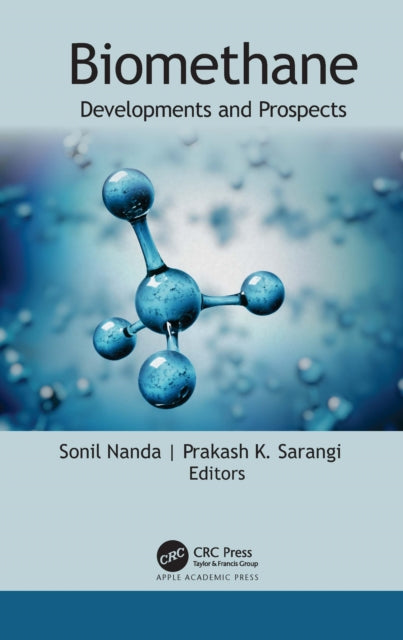
Biomethane: Developments and Prospects
Biomethane: Developments and Prospects
💎 Earn 585 Points (£5.85) on this item.
We can order this item for you. Delivery usually takes about 4 to 6 weeks.
This item is not held in our immediate stock. We will order it for you after checkout.
Estimated delivery: About 4 to 6 weeks
YOU SAVE £6.94
- Condition: Brand new
- UK Delivery times: Usually arrives within 2 - 3 working days
- UK Shipping: Fee starts at £2.39. Subject to product weight & dimension
Bulk ordering. Want 15 or more copies? Get a personalised quote and bigger discounts. Learn more about bulk orders.
Couldn't load pickup availability
- More about Biomethane: Developments and Prospects
Biomethane production offers an alternative energy solution to reduce environmental impacts and mitigate global warming. This book provides a comprehensive overview of biomethane production, including biomass utilization, anaerobic digester design, genetic engineering tools, and anaerobic digestion of biogenic solid wastes. It also discusses recent advancements in biomethane production, its socioeconomic impacts, and applications, such as gasification technology, syngas cleaning, biosynthetic natural gas production, and biohythane fuel.
Format: Hardback
Length: 180 pages
Publication date: 02 June 2022
Publisher: Apple Academic Press Inc.
Biomethane, a renewable and sustainable energy source, has gained significant attention in recent years as a viable alternative to fossil fuels. Its production offers valuable solutions for reducing environmental impacts and mitigating global warming and climate change. In this comprehensive book, experts from various fields provide a detailed synopsis of biomethane production, utilization, and recent advances.
Chapter 1: Production of Biogas (Biomethane)
The book begins by exploring the production of biogas, also known as biomethane, from various biomass sources. It discusses the different types of biomass that can be used for industrial and domestic applications, such as agricultural waste, municipal solid waste, and industrial waste. The authors describe the characteristics, parameters, and process design of anaerobic digesters, which are the primary equipment used for biomethane production from waste biomass. They also highlight the importance of selecting the appropriate biomass source and optimizing the digestion process to maximize biomethane yields.
Chapter 2: Advanced Genetic Engineering Tools and Techniques
In the second chapter, the authors delve into advanced genetic engineering tools and techniques that can enhance biomethanation and biomethane production. They discuss the use of genetic modification techniques, such as gene expression and genetic engineering, to improve the efficiency and productivity of anaerobic bacteria involved in biomethane production. They also explore the potential of using microbial consortia and synthetic biology approaches to improve biomethane yields and reduce costs.
Chapter 3: Anaerobic Digestion of Biogenic Solid Wastes
The third chapter focuses on anaerobic digestion of biogenic solid wastes, a promising technology for waste management and energy generation. The authors discuss the various types of biogenic solid wastes, including agricultural waste, food waste, and animal manure, and their potential for biomethane production. They explore the impact of different chemical pretreatment processes and products on biomethane yields and discuss the operating parameters that can optimize biomethane production.
Chapter 4: Advanced Technologies for Biomethane Production
The fourth chapter explores advanced technologies for biomethane production, including gasification and pyrolysis. The authors discuss the thermochemical and biological processes involved in these technologies and their potential for generating biomethane from various biomass sources. They also highlight the advantages and disadvantages of each technology and discuss the challenges associated with their implementation.
Chapter 5: Socioeconomic Impacts and Applications
The fifth chapter examines the socioeconomic impacts and applications of biomethane production. It discusses the potential of biomethane as a renewable energy source for powering vehicles, heating homes, and generating electricity. The authors also explore the role of biomethane in reducing greenhouse gas emissions and mitigating climate change. They discuss the economic benefits of biomethane production and the potential for its commercialization.
Chapter 6: Gasification Technology and Syngas Cleaning
The sixth chapter focuses on gasification technology and syngas cleaning for biosynthetic natural gas production. The authors discuss the process of gasifying biomass to produce syngas, a mixture of carbon monoxide, hydrogen, and carbon dioxide. They explore the use of catalysts for enhanced synthetic natural gas production and discuss the challenges associated with syngas cleaning.
Chapter 7: Biohythane Fuel Produced from Microbial Fermentative Pathways
The seventh chapter explores the production of biohythane fuel from microbial fermentative pathways. The authors discuss the use of microorganisms, such as bacteria and yeast, to convert organic waste into biohythane, a renewable fuel that can be used in vehicles. They also discuss the potential of biohythane as a sustainable alternative to gasoline and diesel.
Chapter 8: Future Prospects and Challenges
The eighth chapter discusses the future prospects and challenges of biomethane production. The authors highlight the need for continued research and development to improve the efficiency and cost-effectiveness of biomethane production technologies. They also discuss the potential for biomethane production to contribute to the sustainable development goals set by the United Nations.
In conclusion, Biomethane: Developments and Prospects offers valuable insight and information on the current status of production and utilization of biomethane. With its cross-disciplinary value in biotechnology, fermentation technology, bioprocess engineering, and chemical engineering, this book provides a comprehensive understanding of biomethane production, its potential applications, and the challenges that need to be addressed to achieve a sustainable future. As we strive to mitigate the impacts of climate change and transition towards a more sustainable energy system, biomethane plays a crucial role in achieving these goals.
Weight: 520g
Dimension: 229 x 152 (mm)
ISBN-13: 9781774639825
This item can be found in:
UK and International shipping information
UK and International shipping information
UK Delivery and returns information:
- Delivery within 2 - 3 days when ordering in the UK.
- Shipping fee for UK customers from £2.39. Fully tracked shipping service available.
- Returns policy: Return within 30 days of receipt for full refund.
International deliveries:
Shulph Ink now ships to Australia, Belgium, Canada, France, Germany, Ireland, Italy, India, Luxembourg Saudi Arabia, Singapore, Spain, Netherlands, New Zealand, United Arab Emirates, United States of America.
- Delivery times: within 5 - 10 days for international orders.
- Shipping fee: charges vary for overseas orders. Only tracked services are available for most international orders. Some countries have untracked shipping options.
- Customs charges: If ordering to addresses outside the United Kingdom, you may or may not incur additional customs and duties fees during local delivery.