Shulph Ink
Bloody Women: Women Directors of Horror
Bloody Women: Women Directors of Horror
💎 Earn 477 Points (£4.77) on this item.
We can order this item for you. Delivery usually takes about 4 to 6 weeks.
This item is not held in our immediate stock. We will order it for you after checkout.
Estimated delivery: About 4 to 6 weeks
- Condition: Brand new
- UK Delivery times: Usually arrives within 2 - 3 working days
- UK Shipping: Fee starts at £3.89. Subject to product weight & dimension
Bulk ordering. Want 15 or more copies? Get a personalised quote and bigger discounts. Learn more about bulk orders.
Couldn't load pickup availability
- More about Bloody Women: Women Directors of Horror
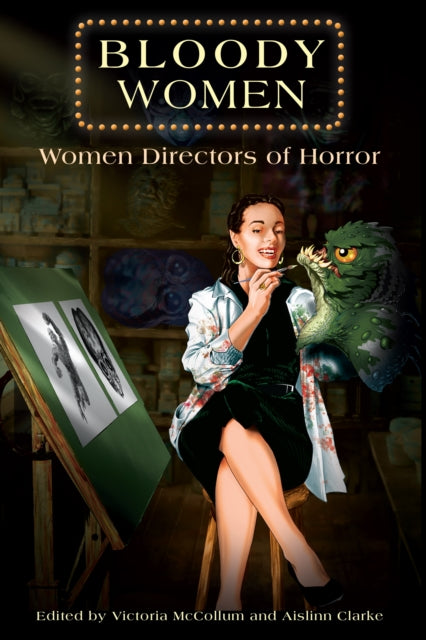
Bloody Women takes a theoretical, historical, and critical approach to horror directed by women, exploring the genre's history, its potential for rising stars, and the unique perspectives of female directors. It unearths the long and rich history of female-fronted horror films that predate The Babadook and examines whether the genre provides a perennial springboard for visionary film-makers.
Format: Hardback
Length: 252 pages
Publication date: 15 March 2022
Publisher: Lehigh University Press
Bloody Women takes a comprehensive, interdisciplinary approach to exploring the horror genre directed by women. By delving into the theoretical, historical, and critical dimensions of this emerging field, the film seeks to shed light on the evolving gender landscape of horror filmmaking. It uncovers the rich and longstanding history of female-fronted horror films that predate the more widely recognized The Babadook. Furthermore, it investigates whether the genre serves as a perennial platform for emerging talent behind the camera, enabling them to launch successful careers. Additionally, the film explores whether the malleability of horror allows visionary filmmakers to experiment and push the boundaries of the genre, creating unique and innovative works.
One of the central questions posed by Bloody Women is whether female-helmed horror films exhibit distinct characteristics from their male-led counterparts. Do the unique experiences and perspectives of women directors shape their work in distinctive ways, resulting in unique horror films? The film explores this topic by examining the work of various female directors, including Jennifer Kent, Karyn Kusama, Aneurin Barnard, and Roxanne Benjamin. Each director brings their own distinct voice and vision to the horror genre, resulting in films that are both terrifying and thought-provoking.
One defining characteristic of female-helmed horror films is their willingness to challenge traditional gender roles and stereotypes. Many female directors have subverted the traditional horror narrative by focusing on the female protagonist's agency and resilience rather than her victimization. This approach has led to the creation of powerful and empowering female characters who are capable of taking control of their own destiny and confronting the male-dominated horror genre.
Another notable aspect of female-helmed horror films is their exploration of female-specific themes and experiences. Women directors have been particularly adept at addressing issues such as body horror, sexual assault, and the psychological effects of trauma. By bringing these often-taboo subjects to the forefront of their films, they have helped to break down the barriers of silence and promote greater awareness and understanding of these issues.
In addition to their thematic and stylistic approaches, female-helmed horror films have also been recognized for their innovative use of technology and visual effects. Many female directors have embraced the use of digital filmmaking techniques and computer-generated imagery to create stunning and immersive horror experiences. This has allowed them to push the boundaries of what is possible in the genre and create films that are both visually stunning and emotionally powerful.
Despite the progress that has been made in the horror genre directed by women, there are still challenges and barriers that need to be addressed. One of the most significant challenges is the lack of funding and support for female-led projects. Women directors often face discrimination and marginalization in the film industry, which can make it difficult for them to secure the resources and opportunities necessary to bring their visions to life. Additionally, the horror genre is often seen as a male-dominated field, which can create barriers for women who are eager to break into it.
Despite these challenges, there is a growing movement of female directors who are challenging the status quo
quo and making their mark in the horror genre. Women directors such as Jen Soska, Karyn Kusama, and Aneurin Barnard have achieved significant success with their films, and their work has helped to break down the barriers and stereotypes associated with the genre. Their success has also inspired a new generation of female filmmakers to pursue their dreams and create their own unique horror films.
In conclusion, Bloody Women takes a comprehensive and interdisciplinary approach to exploring the horror genre directed by women. By delving into the theoretical, historical, and critical dimensions of this emerging field, the film seeks to shed light on the evolving gender landscape of horror filmmaking. It uncovers the rich and longstanding history of female-fronted horror films that predate the more widely recognized The Babadook. Furthermore, it investigates whether the genre serves as a perennial platform for emerging talent behind the camera, enabling them to launch successful careers. Additionally, the film explores whether the malleability of horror allows visionary filmmakers to experiment and push the boundaries of the genre, creating unique and innovative works.
One of the central questions posed by Bloody Women is whether female-helmed horror films exhibit distinct characteristics from their male-led counterparts. Do the unique experiences and perspectives of women directors shape their work in distinctive ways, resulting in unique horror films? The film explores this topic by examining the work of various female directors, including Jennifer Kent, Karyn Kusama, Aneurin Barnard, and Roxanne Benjamin. Each director brings their own distinct voice and vision to the horror genre, resulting in films that are both terrifying and thought-provoking.
One defining characteristic of female-helmed horror films is their willingness to challenge traditional gender roles and stereotypes. Many female directors have subverted the traditional horror narrative by focusing on the female protagonist's agency and resilience rather than her victimization. This approach has led to the creation of powerful and empowering female characters who are capable of taking control of their own destiny and confronting the male-dominated horror genre.
Another notable aspect of female-helmed horror films is their exploration of female-specific themes and experiences. Women directors have been particularly adept at addressing issues such as body horror, sexual assault, and the psychological effects of trauma. By bringing these often-taboo subjects to the forefront of their films, they have helped to break down the barriers of silence and promote greater awareness and understanding of these issues.
In addition to their thematic and stylistic approaches, female-helmed horror films have also been recognized for their innovative use of technology and visual effects. Many female directors have embraced the use of digital filmmaking techniques and computer-generated imagery to create stunning and immersive horror experiences. This has allowed them to push the boundaries of what is possible in the genre and create films that are both visually stunning and emotionally powerful.
Despite the progress that has been made in the horror genre directed by women, there are still challenges and barriers that need to be addressed. One of the most significant challenges is the lack of funding and support for female-led projects. Women directors often face discrimination and marginalization in the film industry, which can make it difficult for them to secure the resources and opportunities necessary to bring their visions to life. Additionally, the horror genre is often seen as a male-dominated field, which can create barriers for women who are eager to break into it.
Despite these challenges, there is a growing movement of female directors who are challenging the status quo
quo and making their mark in the horror genre. Women directors such as Jen Soska, Karyn Kusama, and Aneurin Barnard have achieved significant success with their films, and their work has helped to break down the barriers and stereotypes associated with the genre. Their success has also inspired a new generation of female filmmakers to pursue their dreams and create their own unique horror films.
In conclusion, Bloody Women takes a comprehensive and interdisciplinary approach to exploring the horror genre directed by women. By delving into the theoretical, historical, and critical dimensions of this emerging field, the film seeks to shed light on the evolving gender landscape of horror filmmaking. It uncovers the rich and longstanding history of female-fronted horror films that predate the more widely recognized The Babadook. Furthermore, it investigates whether the genre serves as a perennial platform for emerging talent behind the camera, enabling them to launch successful careers. Additionally, the film explores whether the malleability of horror allows visionary filmmakers to experiment and push the boundaries of the genre, creating unique and innovative works.
One of the central questions posed by Bloody Women is whether female-helmed horror films exhibit distinct characteristics from their male-led counterparts. Do the unique experiences and perspectives of women directors shape their work in distinctive ways, resulting in unique horror films? The film explores this topic by examining the work of various female directors, including Jennifer Kent, Karyn Kusama, Aneurin Barnard, and Roxanne Benjamin. Each director brings their own distinct voice and vision to the horror genre, resulting in films that are both terrifying and thought-provoking.
One defining characteristic of female-helmed horror films is their willingness to challenge traditional gender roles and stereotypes. Many female directors have subverted the traditional horror narrative by focusing on the female protagonist's agency and resilience rather than her victimization. This approach has led to the creation of powerful and empowering female characters who are capable of taking control of their own destiny and confronting the male-dominated horror genre.
Another notable aspect of female-helmed horror films is their exploration of female-specific themes and experiences. Women directors have been particularly adept at addressing issues such as body horror, sexual assault, and the psychological effects of trauma. By bringing these often-taboo subjects to the forefront of their films, they have helped to break down the barriers of silence and promote greater awareness and understanding of these issues.
In addition to their thematic and stylistic approaches, female-helmed horror films have also been recognized for their innovative use of technology and visual effects. Many female directors have embraced the use of digital filmmaking techniques and computer-generated imagery to create stunning and immersive horror experiences. This has allowed them to push the boundaries of what is possible in the genre and create films that are both visually stunning and emotionally powerful.
Despite the progress that has been made in the horror genre directed by women, there are still challenges and barriers that need to be addressed. One of the most significant challenges is the lack of funding and support for female-led projects. Women directors often face discrimination and marginalization in the film industry, which can make it difficult for them to secure the resources and opportunities necessary to bring their visions to life. Additionally, the horror genre is often seen as a male-dominated field, which can create barriers for women who are eager to break into it.
Despite these challenges, there is a growing movement of female directors who are challenging the status
quo and making their mark in the horror genre. Women directors such as Jen Soska, Karyn Kusama, and Aneurin Barnard have achieved significant success with their films, and their work has helped to break down the barriers and stereotypes associated with the genre. Their success has also inspired a new generation of female filmmakers to pursue their dreams and create their own unique horror films.
In conclusion, Bloody Women takes a comprehensive and interdisciplinary approach to exploring the horror genre directed by women. By delving into the theoretical, historical, and critical dimensions of this emerging field, the film seeks to shed light on the evolving gender landscape of horror filmmaking. It uncovers the rich and longstanding history of female-fronted horror films that predate the more widely recognized The Babadook. Furthermore, it investigates whether the genre serves as a perennial platform for emerging talent behind the camera, enabling them to launch successful careers. Additionally, the film explores whether the malleability of horror allows visionary filmmakers to experiment and push the boundaries of the genre, creating unique and innovative works.
One of the central questions posed by Bloody Women is whether female-helmed horror films exhibit distinct characteristics from their male-led counterparts. Do the unique experiences and perspectives of women directors shape their work in distinctive ways, resulting in unique horror films? The film explores this topic by examining the work of various female directors, including Jennifer Kent, Karyn Kusama, Aneurin Barnard, and Roxanne Benjamin. Each director brings their own distinct voice and vision to the horror genre, resulting in films that are both terrifying and thought-provoking.
One defining characteristic of female-helmed horror films is their willingness to challenge traditional gender roles and stereotypes. Many female directors have subverted the traditional horror narrative by focusing on the female protagonist's agency and resilience rather than her victimization. This approach has led to the creation of powerful and empowering female characters who are capable of taking control of their own destiny and confronting the male-dominated horror genre.
Another notable aspect of female-helmed horror films is their exploration of female-specific themes and experiences. Women directors have been particularly adept at addressing issues such as body horror, sexual assault, and the psychological effects of trauma. By bringing these often-taboo subjects to the forefront of their films, they have helped to break down the barriers of silence and promote greater awareness and understanding of these issues.
In addition to their thematic and stylistic approaches, female-helmed horror films have also been recognized for their innovative use of technology and visual effects. Many female directors have embraced the use of digital filmmaking techniques and computer-generated imagery to create stunning and immersive horror experiences. This has allowed them to push the boundaries of what is possible in the genre and create films that are both visually stunning and emotionally powerful.
Despite the progress that has been made in the horror genre directed by women, there are still challenges and barriers that need to be addressed. One of the most significant challenges is the lack of funding and support for female-led projects. Women directors often face discrimination and marginalization in the film industry, which can make it difficult for them to secure the resources and opportunities necessary to bring their visions to life. Additionally, the horror genre is often seen as a male-dominated field, which can create barriers for women who are eager to break into it.
Despite these challenges, there is a growing movement of female directors who are challenging the status
quo and making their mark in the horror genre. Women directors such as Jen Soska, Karyn Kusama, and Aneurin Barnard have achieved significant success with their films, and their work has helped to break down the barriers and stereotypes associated with the genre. Their success has also inspired a new generation of female filmmakers to pursue their dreams and create their own unique horror films.
In conclusion, Bloody Women takes a comprehensive and interdisciplinary approach to exploring the horror genre directed by women. By delving into the theoretical, historical, and critical dimensions of this emerging field, the film seeks to shed light on the evolving gender landscape of horror filmmaking. It uncovers the rich and longstanding history of female-fronted horror films that predate the more widely recognized The Babadook. Furthermore, it investigates whether the genre serves as a perennial platform for emerging talent behind the camera, enabling them to launch successful careers. Additionally, the film explores whether the malleability of horror allows visionary filmmakers to experiment and push the boundaries of the genre, creating unique and innovative works.
Dimension: 229 x 152 (mm)
ISBN-13: 9781611463071
UK and International shipping information
UK and International shipping information
We deliver throughout the United Kingdom and to 128 countries and territories worldwide, including the United States, Australia, Canada, Germany, Spain and France.