Shulph Ink
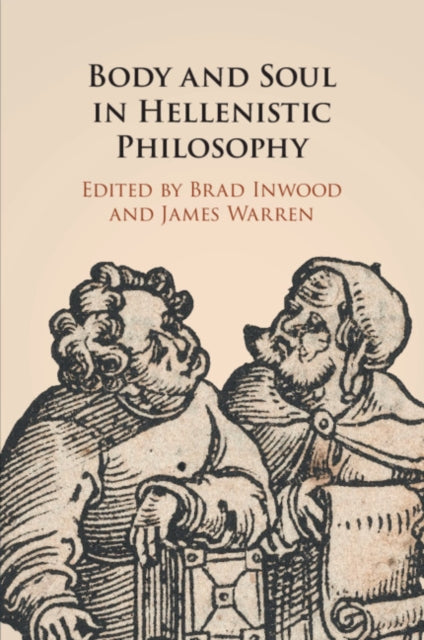
Body and Soul in Hellenistic Philosophy
Body and Soul in Hellenistic Philosophy
💎 Earn 160 Points (£1.60) on this item.
We can order this item for you. Delivery usually takes about 4 to 6 weeks.
This item is not held in our immediate stock. We will order it for you after checkout.
Estimated delivery: About 4 to 6 weeks
YOU SAVE £1.90
- Condition: Brand new
- UK Delivery times: Usually arrives within 2 - 3 working days
- UK Shipping: Fee starts at £3.89. Subject to product weight & dimension
Bulk ordering. Want 15 or more copies? Get a personalised quote and bigger discounts. Learn more about bulk orders.
Couldn't load pickup availability
- More about Body and Soul in Hellenistic Philosophy
During the time of Aristotle and his followers, philosophers and doctors studied the relationship between the soul and the body. They believed that the soul is a material entity and that it interacts with the body to affect the well-being of the living human being. This volume, part of the Symposium Hellenisticum series, explores different aspects of this topic, including the nature of the soul, its structure, and its powers, and the appropriate relationships between natural philosophy, medicine, and psychology.
\n Format: Paperback / softback
\n Length: 274 pages
\n Publication date: 10 June 2021
\n Publisher: Cambridge University Press
\n
Philosophers and doctors from the period immediately after Aristotle down to the second century CE were particularly focused on the close relationships of soul and body. These relationships were particularly intimate when the soul was understood to be a material entity, as it was by Epicureans and Stoics, but even Aristotelians and Platonists shared the conviction that body and soul interact in ways that affect the well-being of the living human being. These philosophers were interested in the nature of the soul, its structure, and its powers. They were also interested in the place of the soul within a general account of the world. This leads to important questions about the proper methods by which we should investigate the nature of the soul and the appropriate relationships among natural philosophy, medicine, and psychology. This volume, part of the Symposium Hellenisticum series, features ten scholars addressing different aspects of this topic.
The study of the relationship between the soul and the body has been a central theme in philosophical and medical discourse since ancient times. Philosophers and doctors from the period immediately after Aristotle down to the second century CE were particularly interested in this topic, as they sought to understand the nature of the soul and its role in the well-being of the living human being.
During this time, there were two main schools of thought regarding the nature of the soul. The Epicureans and Stoics believed that the soul was a material entity, similar to other physical objects in the universe. They argued that the soul was not immortal and that it could be destroyed by physical harm or disease. On the other hand, Aristotelians and Platonists held the view that the soul was an immaterial entity, separate from the body and capable of existing after death. They believed that the soul was the source of consciousness, intelligence, and morality and that it was essential for the proper functioning of the body.
Despite these differences in belief, both schools of thought agreed that the soul and the body interact in ways that affect the well-being of the living human being. The Epicureans and Stoics believed that the soul was influenced by the body and that physical sensations and emotions could affect the soul's health and happiness. They also believed that the soul could be purified through physical practices such as diet and exercise. In contrast, Aristotelians and Platonists believed that the soul was independent of the body and that it could be affected by spiritual practices such as meditation and prayer. They also believed that the soul could be redeemed through moral behavior and that it could achieve immortality through its union with the divine.
Despite these differences in belief, both schools of thought shared the conviction that the body and the soul interact in ways that affect the well-being of the living human being. This led to important questions about the proper methods by which we should investigate the nature of the soul and the appropriate relationships among natural philosophy, medicine, and psychology.
One of the key questions that emerged from this period was the nature of the soul's relationship to the body. Philosophers such as Plato and Aristotle.
In conclusion, the study of the relationship between the soul and the body has been a central theme in philosophical and medical discourse since ancient times. Philosophers and doctors from the period immediately after Aristotle down to the second century CE were particularly focused on this topic
This leads to important questions about the proper methods by which we should investigate the nature of the soul and the appropriate relationships among natural philosophy, medicine, and psychology. This volume, part of the Symposium Hellenisticum series, features ten scholars
scientists addressing different aspects of this topic.
\n Weight: 374g\n
Dimension: 229 x 152 x 15 (mm)\n
ISBN-13: 9781108725255\n \n
UK and International shipping information
UK and International shipping information
We deliver throughout the United Kingdom and to 128 countries and territories worldwide, including the United States, Australia, Canada, Germany, Spain and France.