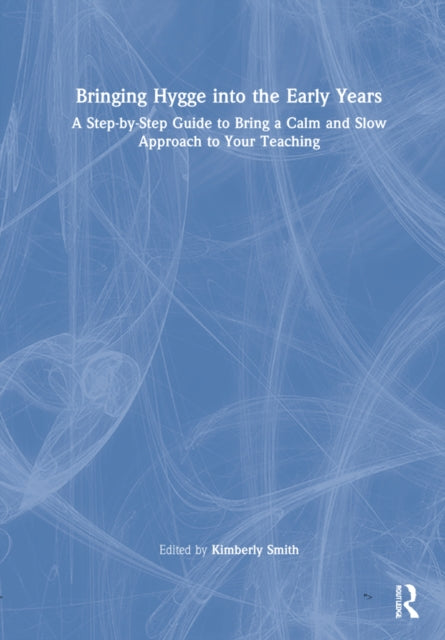
Kimberly Smith
Bringing Hygge into the Early Years: A Step-by-Step Guide to Bring a Calm and Slow Approach to Your Teaching
Bringing Hygge into the Early Years: A Step-by-Step Guide to Bring a Calm and Slow Approach to Your Teaching
💎 Earn 811 Points (£8.11) on this item.
We can order this item for you. Delivery usually takes about 4 to 6 weeks.
This item is not held in our immediate stock. We will order it for you after checkout.
Estimated delivery: About 4 to 6 weeks
YOU SAVE £9.63
- Condition: Brand new
- UK Delivery times: Usually arrives within 2 - 3 working days
- UK Shipping: Fee starts at £2.39. Subject to product weight & dimension
Bulk ordering. Want 15 or more copies? Get a personalised quote and bigger discounts. Learn more about bulk orders.
Couldn't load pickup availability
- More about Bringing Hygge into the Early Years: A Step-by-Step Guide to Bring a Calm and Slow Approach to Your Teaching
Bringing Hygge into the Early Years is a guide for early educators to bring more calmness and balance into their day, improving mental health and wellbeing, and embracing child-led play and outdoor provision. It is divided into four main parts and includes case studies and activities to reflect on existing practice.
Format: Hardback
Length: 198 pages
Publication date: 22 February 2022
Publisher: Taylor & Francis Ltd
"Hygge" is a term that originates from the Scandinavian way of life, and it refers to a sense of coziness, comfort, and well-being. In the early years, bringing hygge into the classroom can have a profound impact on the mental health and well-being of both teachers and students. This guide aims to provide early educators with practical tips and strategies to incorporate hygge into their early years setting.
The first section of the guide focuses on re-balancing teachers' lives. It emphasizes the importance of taking time for self-care and relaxation, such as practicing mindfulness, meditation, or taking a warm bath. Teachers are often so focused on planning and preparing for lessons that they neglect their own needs, which can lead to burnout and stress. By incorporating hygge into their daily routine, teachers can find a sense of balance and rejuvenation that will help them to be more effective in the classroom.
The second section of the guide explores the hygge environment. It suggests ways to create a warm and inviting classroom that promotes a sense of comfort and relaxation. This includes using soft lighting, cozy blankets, and warm colors to create a cozy and welcoming atmosphere. Additionally, teachers can incorporate natural elements, such as plants and flowers, into the classroom to add a sense of calm and serenity.
The third section of the guide focuses on slow teaching. It emphasizes the importance of taking time to engage with students and to provide them with opportunities to explore and learn at their own pace. By incorporating hygge into the classroom, teachers can create a more relaxed and peaceful environment that encourages students to be more engaged and enthusiastic about learning.
The fourth section of the guide explores the importance of embracing nature. It suggests ways to incorporate outdoor learning into the early years setting, such as taking nature walks, gardening, or playing outdoor games. By spending time in nature, students can develop a sense of connection to the natural world and can learn valuable skills such as teamwork, problem-solving, and creativity.
Throughout each section of the guide, there are examples of hygge from early educators around the world. These examples provide practical tips and strategies that teachers can use to incorporate hygge into their own early years setting. Additionally, there are case studies and activities that teachers can use to reflect on their own practice and to support them as they make positive changes to both their wellbeing and provision.
This guide is essential reading for all early years professionals. It offers further support to improve mental health and well-being, as well as valuable tools to lead early years practice with confidence and joy. By embracing the principles of hygge, early educators can create a classroom environment that is warm, inviting, and supportive of all students.
Incorporating hygge into the early years setting is a powerful way to promote a sense of calmness, balance, and well-being for both teachers and students. Drawing from the Scandinavian way of living well, hygge encompasses a range of practices that can have a positive impact on mental health and learning outcomes.
One of the key aspects of hygge is creating a warm and inviting classroom environment. This can be achieved through the use of soft lighting, cozy blankets, and warm colors, which can help to create a sense of comfort and relaxation. Natural elements, such as plants and flowers, can also be incorporated to add a sense of calm and serenity to the classroom.
Another important aspect of hygge is slow teaching. This approach emphasizes the importance of taking time to engage with students and to provide them with opportunities to explore and learn at their own pace. By incorporating hygge into the classroom, teachers can create a more relaxed and peaceful environment that encourages students to be more engaged and enthusiastic about learning.
In addition to creating a warm and inviting classroom environment, hygge can also promote outdoor learning. Spending time in nature has been shown to have a range of benefits for mental health, including reducing stress and anxiety, improving mood, and increasing creativity. By incorporating outdoor learning into the early years setting, teachers can help to promote a sense of connection to the natural world and to develop valuable skills such as teamwork, problem-solving, and creativity.
One example of hygge in the early years setting is the use of sensory play. Sensory play is a type of play that involves the use of different senses, such as touch, smell, taste, and sight, to engage and stimulate children's senses. Sensory play can be used to promote a sense of calmness and relaxation, as well as to develop important skills such as fine motor, social, and cognitive development.
Another example of hygge in the early years setting is the use of storytelling. Storytelling is a powerful way to engage and inspire children, and it can be used to promote a sense of wonder, curiosity, and imagination. By incorporating storytelling into the early years setting, teachers can help to promote a love of learning and to develop important language skills such as listening, speaking, and reading.
In conclusion, incorporating hygge into the early years setting is a powerful way to promote a sense of calmness, balance, and well-being for both teachers and students. By creating a warm and inviting classroom environment, promoting slow teaching, and incorporating outdoor learning, teachers can help to create a learning environment that is supportive, nurturing, and engaging for all students.
Weight: 454g
Dimension: 297 x 210 (mm)
ISBN-13: 9781032039626
This item can be found in:
UK and International shipping information
UK and International shipping information
UK Delivery and returns information:
- Delivery within 2 - 3 days when ordering in the UK.
- Shipping fee for UK customers from £2.39. Fully tracked shipping service available.
- Returns policy: Return within 30 days of receipt for full refund.
International deliveries:
Shulph Ink now ships to Australia, Belgium, Canada, France, Germany, Ireland, Italy, India, Luxembourg Saudi Arabia, Singapore, Spain, Netherlands, New Zealand, United Arab Emirates, United States of America.
- Delivery times: within 5 - 10 days for international orders.
- Shipping fee: charges vary for overseas orders. Only tracked services are available for most international orders. Some countries have untracked shipping options.
- Customs charges: If ordering to addresses outside the United Kingdom, you may or may not incur additional customs and duties fees during local delivery.