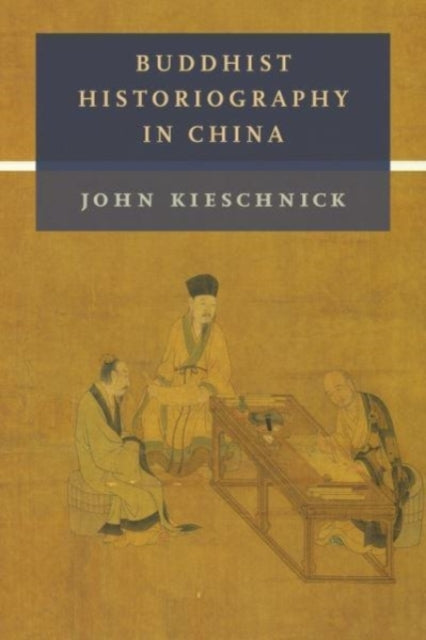
John Kieschnick
Buddhist Historiography in China
Buddhist Historiography in China
💎 Earn 121 Points (£1.21) on this item.
YOU SAVE £5.72
- Condition: Brand new
- UK Delivery times: Usually arrives within 2 - 3 working days
- UK Shipping: Fee starts at £2.39. Subject to product weight & dimension
Bulk ordering. Want 15 or more copies? Get a personalised quote and bigger discounts. Learn more about bulk orders.
Couldn't load pickup availability
- More about Buddhist Historiography in China
The 2023 Toshihide Numata Book Award was given to John Kieschnick for his book "Chinese Buddhism and the History of Historiography," which explores how Chinese Buddhists have sought to understand their history through a Buddhist lens. He examines how Buddhist doctrines influenced the search for the underlying principles driving history, the significance of genealogy in Buddhist writing, and the transformation of Buddhist historiography in the twentieth century.
Format: Paperback / softback
Length: 296 pages
Publication date: 26 July 2022
Publisher: Columbia University Press
Since the inception of Buddhism in China, both monastics and laypeople have expressed a deep interest in the past. In extensive historical writings, they have endeavored to ascertain the precise dates of events in the Buddha's life, aiming to reconcile discrepancies in various accounts and determine when he delivered specific sermons. Buddhist authors have also documented the history of the Dharma in China, compiling biographies of eminent monks and nuns and outlining the fluctuations in the religion's fortunes under different rulers. They have searched for evidence of karma in the historical record and have relied on prophecy to explain the past.
John Kieschnick presents an innovative and comprehensive exploration of how Chinese Buddhists have approached the understanding of their history through a Buddhist lens. He examines a range of themes in mainstream Buddhist historiographical works from the fifth to the twentieth century, rather than focusing solely on what they reveal about the people and events they describe. Kieschnick delves into how Buddhist doctrines shaped the search for the underlying principles governing history, the significance of genealogy in Buddhist writing, and the transformative changes that occurred in Buddhist historiography during the twentieth century. This book sheds new light on the intellectual history of Chinese Buddhism and on Buddhists' perception of the past.
Throughout the early days of Buddhism in China, monastics and laity alike have expressed a profound concern with the past. In voluminous historical works, they attempted to determine as precisely as possible the dates of events in the Buddha's life, seeking to iron out discrepancies in varying accounts and pinpoint when he delivered which sermons. Buddhist writers chronicled the history of the Dharma in China as well, compiling biographies of eminent monks and nuns and detailing the rise and decline in the religions fortunes under various rulers. They searched for evidence of karma in the historical record and drew on prophecy to explain the past.
John Kieschnick provides an innovative, expansive account of how Chinese Buddhists have sought to understand their history through a Buddhist lens. Exploring a series of themes in mainstream Buddhist historiographical works from the fifth to the twentieth century, he looks not so much for what they reveal about the people and events they describe as for what they tell us about their compilers understanding of history. Kieschnick examines how Buddhist doctrines influenced the search for the underlying principles driving history, the significance of genealogy in Buddhist writing, and the transformation of Buddhist historiography in the twentieth century. This book casts new light on the intellectual history of Chinese Buddhism and on Buddhists understanding of the past.
Since the inception of Buddhism in China, both monastics and laypeople have expressed a deep interest in the past. In extensive historical writings, they have endeavored to ascertain the precise dates of events in the Buddha's life, aiming to reconcile discrepancies in various accounts and determine when he delivered specific sermons. Buddhist authors have also documented the history of the Dharma in China, compiling biographies of eminent monks and nuns and outlining the fluctuations in the religion's fortunes under different rulers. They have searched for evidence of karma in the historical record and have relied on prophecy to explain the past.
John Kieschnick presents an innovative and comprehensive exploration of how Chinese Buddhists have approached the understanding of their history through a Buddhist lens. He examines a range of themes in mainstream Buddhist historiographical works from the fifth to the twentieth century, rather than focusing solely on what they reveal about the people and events they describe. Kieschnick delves into how Buddhist doctrines shaped the search for the underlying principles governing history, the significance of genealogy in Buddhist writing, and the transformative changes that occurred in Buddhist historiography during the twentieth century. This book sheds new light on the intellectual history of Chinese Buddhism and on Buddhists' perception of the past.
Throughout the early days of Buddhism in China, monastics and laity alike have expressed a profound concern with the past. In voluminous historical works, they attempted to determine as precisely as possible the dates of events in the Buddha's life, seeking to iron out discrepancies in varying accounts and pinpoint when he delivered which sermons. Buddhist writers chronicled the history of the Dharma in China as well, compiling biographies of eminent monks and nuns and detailing the rise and decline in the religions fortunes under various rulers. They searched for evidence of karma in the historical record and drew on prophecy to explain the past.
John Kieschnick provides an innovative, expansive account of how Chinese Buddhists have sought to understand their history through a Buddhist lens. Exploring a series of themes in mainstream Buddhist historiographical works from the fifth to the twentieth century, he looks not so much for what they reveal about the people and events they describe as for what they tell us about their compilers understanding of history. Kieschnick examines how Buddhist doctrines influenced the search for the underlying principles driving history, the significance of genealogy in Buddhist writing, and the transformation of Buddhist historiography in the twentieth century. This book casts new light on the intellectual history of Chinese Buddhism and on Buddhists understanding of the past.
Since the inception of Buddhism in China, both monastics and laypeople have expressed a deep interest in the past. In extensive historical writings, they have endeavored to ascertain the precise dates of events in the Buddha's life, aiming to reconcile discrepancies in various accounts and determine when he delivered specific sermons. Buddhist authors have also documented the history of the Dharma in China, compiling biographies of eminent monks and nuns and outlining the fluctuations in the religion's fortunes under different rulers. They have searched for evidence of karma in the historical record and have relied on prophecy to explain the past.
John Kieschnick presents an innovative and comprehensive exploration of how Chinese Buddhists have approached the understanding of their history through a Buddhist lens. He examines a range of themes in mainstream Buddhist historiographical works from the fifth to the twentieth century, rather than focusing solely on what they reveal about the people and events they describe. Kieschnick delves into how Buddhist doctrines shaped the search for the underlying principles governing history, the significance of genealogy in Buddhist writing, and the transformative changes that occurred in Buddhist historiography during the twentieth century. This book sheds new light on the intellectual history of Chinese Buddhism and on Buddhists understanding of the past.
Since the inception of Buddhism in China, both monastics and laypeople have expressed a deep interest in the past. In extensive historical writings, they have endeavored to determine as precisely as possible the dates of events in the Buddha's life, seeking to iron out discrepancies in varying accounts and pinpoint when he delivered which sermons. Buddhist authors have also documented the history of the Dharma in China, compiling biographies of eminent monks and nuns and outlining the fluctuations in the religion's fortunes under different rulers. They have searched for evidence of karma in the historical record and have relied on prophecy to explain the past.
John Kieschnick presents an innovative and comprehensive exploration of how Chinese Buddhists have sought to understand their history through a Buddhist lens. He examines a range of themes in mainstream Buddhist historiographical works from the fifth to the twentieth century, rather than focusing solely on what they reveal about the people and events they describe. Kieschnick delves into how Buddhist doctrines shaped the search for the underlying principles governing history, the significance of genealogy in Buddhist writing, and the transformative changes that occurred in Buddhist historiography during the twentieth century. This book sheds new light on the intellectual history of Chinese Buddhism and on Buddhists understanding of the past.
Since the inception of Buddhism in China, both monastics and laypeople have expressed a deep interest in the past. In extensive historical writings, they have endeavored to determine as precisely as possible the dates of events in the Buddha's life, seeking to iron out discrepancies in varying accounts and pinpoint when he delivered which sermons. Buddhist authors have also documented the history of the Dharma in China, compiling biographies of eminent monks and nuns and outlining the fluctuations in the religion's fortunes under different rulers. They have searched for evidence of karma in the historical record and have relied on prophecy to explain the past.
John Kieschnick presents an innovative and comprehensive exploration of how Chinese Buddhists have sought to understand their history through a Buddhist lens. He examines a range of themes in mainstream Buddhist historiographical works from the fifth to the twentieth century, rather than focusing solely on what they reveal about the people and events they describe. Kieschnick delves into how Buddhist doctrines shaped the search for the underlying principles governing history, the significance of genealogy in Buddhist writing, and the transformative changes that occurred in Buddhist historiography during the twentieth century. This book sheds new light on the intellectual history of Chinese Buddhism and on Buddhists understanding of the past.
Weight: 454g
Dimension: 156 x 234 x 19 (mm)
ISBN-13: 9780231205634
This item can be found in:
UK and International shipping information
UK and International shipping information
UK Delivery and returns information:
- Delivery within 2 - 3 days when ordering in the UK.
- Shipping fee for UK customers from £2.39. Fully tracked shipping service available.
- Returns policy: Return within 30 days of receipt for full refund.
International deliveries:
Shulph Ink now ships to Australia, Belgium, Canada, France, Germany, Ireland, Italy, India, Luxembourg Saudi Arabia, Singapore, Spain, Netherlands, New Zealand, United Arab Emirates, United States of America.
- Delivery times: within 5 - 10 days for international orders.
- Shipping fee: charges vary for overseas orders. Only tracked services are available for most international orders. Some countries have untracked shipping options.
- Customs charges: If ordering to addresses outside the United Kingdom, you may or may not incur additional customs and duties fees during local delivery.