Shulph Ink
Cancer Stem Cells and Signaling Pathways
Cancer Stem Cells and Signaling Pathways
💎 Earn 613 Points (£6.13) on this item.
YOU SAVE £11.39
- Condition: Brand new
- UK Delivery times: Usually arrives within 2 - 3 working days
- UK Shipping: Fee starts at £2.39. Subject to product weight & dimension
Bulk ordering. Want 15 or more copies? Get a personalised quote and bigger discounts. Learn more about bulk orders.
Couldn't load pickup availability
- More about Cancer Stem Cells and Signaling Pathways
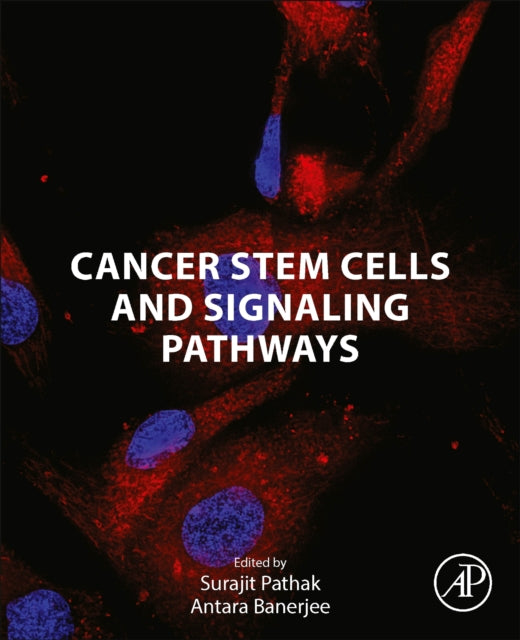
Cancer Stem Cells and Signaling Pathways is a valuable reference guide for investigators studying cancer stem cell signaling pathways and their role in cancer advancement. It provides insights into anti-cancer treatments and the crosstalk among signaling pathways in CSC regulation, highlighting the importance of understanding these cells in tumor progression.
Format: Paperback / softback
Length: 698 pages
Publication date: 17 November 2023
Publisher: Elsevier Science Publishing Co Inc
Cancer Stem Cells and Signaling Pathways delves into the intricate mechanisms of cancer stem cell signaling pathways, providing a comprehensive reference guide for researchers seeking valuable insights into the complexities of cancer progression. Despite recent advancements in tumor therapy and a deeper understanding of their biology, tumors remain a prevalent and devastating global health concern. According to a groundbreaking paradigm in tumor biology, a subset of cells within a tumor, referred to as cancer stem cells (CSCs), is identified as a critical population for tumor growth and metastasis. These unique cells possess the ability to self-renew and differentiate into various cell types, contributing to the heterogeneity andpersistence of tumors.
Understanding the signaling pathways that regulate cancer stem cells is crucial in developing effective anti-cancer treatments. These pathways are intricately interconnected, creating a complex network that influences cancer cell growth, survival, and response to therapy. By exploring these pathways, researchers aim to identify novel targets and develop targeted therapies that specifically target cancer stem cells, while sparing normal cells.
One of the key aspects of cancer stem cell signaling is the regulation of stemness properties. Cancer stem cells maintain their stemness characteristics by expressing specific markers and undergoing certain signaling pathways. These pathways include Wnt/β-catenin, Notch, Hedgehog, and TGF-β signaling, among others. By targeting these signaling pathways, researchers can inhibit cancer stem cell growth and differentiation, leading to improved treatment outcomes.
Another important area of research in cancer stem cell signaling is the crosstalk between different signaling pathways. Cancer stem cells interact with various cell types within the tumor microenvironment, including immune cells, stromal cells, and endothelial cells. These interactions influence the activation and regulation of signaling pathways, leading to the development of tumor heterogeneity and resistance to therapy. By understanding these crosstalk mechanisms, researchers can develop strategies to enhance the efficacy of cancer treatments by targeting multiple signaling pathways simultaneously.
In addition to their role in cancer progression, cancer stem cells are also associated with drug resistance. Cancer stem cells possess unique properties that make them resistant to conventional chemotherapy and radiation therapies. By understanding the mechanisms of drug resistance in cancer stem cells, researchers can develop novel therapeutic approaches that target these cells specifically, improving treatment outcomes and reducing the risk of relapse.
Despite the significant progress made in cancer stem cell signaling research, there are still many challenges that need to be addressed. One of the major challenges is the identification and characterization of cancer stem cells in tumors. Cancer stem cells are often difficult to detect and isolate due to their low abundance and heterogeneity. Additionally, the molecular mechanisms underlying cancer stem cell signaling are complex and multifaceted, making it challenging to develop targeted therapies that effectively inhibit these cells.
Another challenge is the development of effective therapies that target cancer stem cells while sparing normal cells. Cancer stem cells are highly heterogeneous and can exist in different cellular states, making it difficult to develop therapies that specifically target these cells without harming normal cells. Additionally, the tumor microenvironment, which includes immune cells, stromal cells, and endothelial cells, plays a critical role in cancer stem cell survival and progression. Developing therapies that can effectively target these cells while minimizing their negative effects on normal cells is a significant challenge.
To address these challenges, researchers are utilizing a variety of techniques and approaches. One approach is the use of stem cell markers and imaging techniques to identify and isolate cancer stem cells from tumors. By using these techniques, researchers can better understand the biology of cancer stem cells and develop targeted therapies that specifically target these cells. Additionally, the development of novel therapeutics that target cancer stem cell signaling pathways is an active area of research. These therapies can include small molecules, antibodies, and gene therapies that specifically inhibit the activity of signaling pathways involved in cancer stem cell growth and differentiation.
In conclusion, cancer stem cells and signaling pathways play a critical role in cancer progression and treatment resistance. Understanding the mechanisms of cancer stem cell signaling is essential for developing effective anti-cancer treatments. By exploring these pathways, researchers can identify novel targets and develop targeted therapies that specifically target cancer stem cells, while sparing normal cells. Despite the significant challenges that remain, ongoing research and advancements in this field hold the promise of improving treatment outcomes and reducing the burden of cancer worldwide.
Weight: 450g
Dimension: 235 x 191 (mm)
ISBN-13: 9780443132124
This item can be found in:
UK and International shipping information
UK and International shipping information
UK Delivery and returns information:
- Delivery within 2 - 3 days when ordering in the UK.
- Shipping fee for UK customers from £2.39. Fully tracked shipping service available.
- Returns policy: Return within 30 days of receipt for full refund.
International deliveries:
Shulph Ink now ships to Australia, Belgium, Canada, France, Germany, Ireland, Italy, India, Luxembourg Saudi Arabia, Singapore, Spain, Netherlands, New Zealand, United Arab Emirates, United States of America.
- Delivery times: within 5 - 10 days for international orders.
- Shipping fee: charges vary for overseas orders. Only tracked services are available for most international orders. Some countries have untracked shipping options.
- Customs charges: If ordering to addresses outside the United Kingdom, you may or may not incur additional customs and duties fees during local delivery.