Shulph Ink
Chickpea and Cowpea: Nutritional Profile, Processing, Health Prospects and Commercial Uses
Chickpea and Cowpea: Nutritional Profile, Processing, Health Prospects and Commercial Uses
💎 Earn 887 Points (£8.87) on this item.
YOU SAVE £10.53
- Condition: Brand new
- UK Delivery times: Usually arrives within 2 - 3 working days
- UK Shipping: Fee starts at £2.39. Subject to product weight & dimension
Bulk ordering. Want 15 or more copies? Get a personalised quote and bigger discounts. Learn more about bulk orders.
Couldn't load pickup availability
- More about Chickpea and Cowpea: Nutritional Profile, Processing, Health Prospects and Commercial Uses
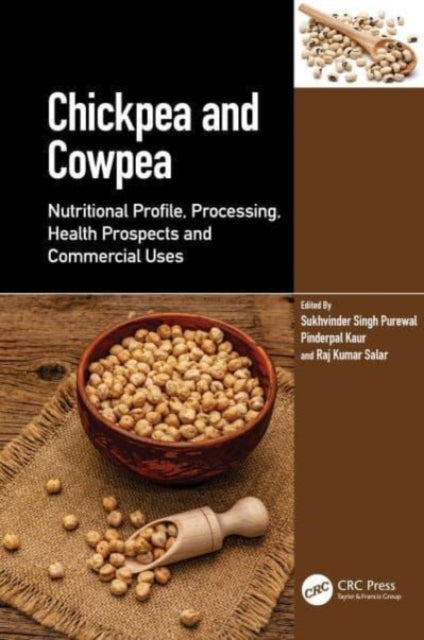
The biochemistry of chickpea and cowpea components, including their physical and functional properties, processing-mediated changes in nutritional profile, latest scientific facts related to chickpea and cowpea starch, and bioactive components and related health benefits, are discussed. Storage conditions for chickpea and cowpea are also demonstrated.
Format: Hardback
Length: 340 pages
Publication date: 22 December 2023
Publisher: Taylor & Francis Ltd
The biochemistry of chickpea and cowpea components is a fascinating field that delves into the intricate details of these legumes' nutritional composition and functional properties. It encompasses a comprehensive examination of the physical and chemical characteristics of chickpea and cowpea, as well as the processing-mediated changes that impact their nutritional profile. This research aims to provide the latest scientific facts related to chickpea and cowpea starch, exploring their composition, structure, and properties. Additionally, it delves into the diverse array of bioactive components found in these legumes, highlighting their potential health benefits. Furthermore, this study explores the storage conditions necessary to maintain the quality and shelf life of chickpea and cowpea products.
Chickpea and cowpea are important legumes that play a significant role in global food security and nutrition. These legumes are rich in protein, fiber, vitamins, and minerals, making them valuable components of a healthy diet. The biochemistry of chickpea and cowpea components is crucial in understanding their nutritional value and how they can be utilized in various food products.
Physical and Functional Properties:
Chickpea and cowpea components exhibit a range of physical and functional properties that are important for their use in food applications. These properties include color, texture, taste, and nutritional content.
Color: Chickpea and cowpea components can vary in color from light beige to dark brown, depending on the variety and processing methods. The color of these legumes can impact their appearance and appeal to consumers.
Texture: Chickpea and cowpea components have a firm and chewy texture, which makes them suitable for various food products such as soups, stews, and salads. They can also be used in baked goods, such as bread and cookies.
Taste: Chickpea and cowpea components have a mild and nutty taste, which can complement a wide range of flavors. They can be used in savory dishes or sweet treats, depending on the recipe and preparation.
Nutritional Content: Chickpea and cowpea components are rich in protein, fiber, vitamins, and minerals. They are particularly high in lysine, an essential amino acid that is important for muscle growth and repair. Additionally, chickpea and cowpea are good sources of iron, magnesium, and potassium, which are essential for maintaining healthy blood pressure, heart function, and electrolyte balance.
Processing-Mediated Changes in Nutritional Profile:
Processing can have a significant impact on the nutritional profile of chickpea and cowpea components. Heat treatment, for example, can cause changes in the protein structure, affecting the digestibility and bioavailability of the legumes. Additionally, processing can lead to the loss of certain nutrients, such as vitamins and minerals, due to leaching or oxidation.
To mitigate these processing-mediated changes, various techniques have been developed to preserve the nutritional value of chickpea and cowpea components. These techniques include blanching, roasting, and grinding, which can help retain the color, texture, and taste of the legumes while minimizing nutrient loss.
Latest Scientific Facts Related to Chickpea and Cowpea Starch:
Chickpea and cowpea starch are important components of many food products, including bread, pasta, and snacks. The composition and structure of these starches can impact their properties, such as texture, digestibility, and stability.
Chickpea starch is a complex carbohydrate that is composed of a mixture of amylose, amylopectin, and other polysaccharides. The amylose content of chickpea starch can vary depending on the variety and processing methods, with some varieties having higher levels of amylose than others. Amylose is a straight chain of glucose units that is easily digested by humans, making chickpea starch a good source of glucose for energy.
Amylopectin is a branched chain of glucose units that is less digestible by humans. However, it can form a gel-like structure when heated, which can give food products a soft and chewy texture. The ratio of amylose to amylopectin in chickpea starch can affect its properties, with higher ratios of amylose resulting in a more digestible starch.
Cowpea starch is also a complex carbohydrate that is composed of a mixture of amylose, amylopectin, and other polysaccharides. The amylose content of cowpea starch can vary depending on the variety and processing methods, with some varieties having higher levels of amylose than others. Cowpea starch is similar to chickpea starch in terms of composition and structure, but it has a lower digestibility rate due to its higher amylopectin content.
Bioactive Components and Related Health Benefits:
Chickpea and cowpea are rich in bioactive components that have potential health benefits. These components include phenolic compounds, flavonoids, and isoflavones, which are antioxidants that can protect against oxidative stress and inflammation. Additionally, chickpea and cowpea are good sources of dietary fiber, which can help promote healthy digestion and regulate blood sugar levels.
Phenolic compounds are found in the skin and seeds of chickpea and cowpea. These compounds have been shown to have anti-inflammatory properties and can help protect against chronic diseases such as heart disease, diabetes, and cancer. Flavonoids are also found in these legumes and have been shown to have anti-inflammatory and antioxidant properties. Isoflavones are plant-based compounds that have been shown to have estrogen-like effects, which can help reduce the risk of breast cancer and osteoporosis.
Storage Conditions for Chickpea and Cowpea:
Proper storage is essential to maintain the quality and shelf life of chickpea and cowpea products. These legumes are sensitive to moisture, oxygen, and light, which can cause spoilage and degradation of their nutritional value.
To store chickpea and cowpea, it is important to keep them in a cool, dry place. It is recommended to store them in airtight containers or bags, which can help prevent moisture and oxygen from entering the legumes. Additionally, it is important to keep them away from direct sunlight, as this can cause discoloration and degradation of the legumes.
In conclusion, the biochemistry of chickpea and cowpea components is a fascinating field that delves into the intricate details of these legumes' nutritional composition and functional properties. It encompasses a comprehensive examination of the physical and chemical characteristics of chickpea and cowpea, as well as the processing-mediated changes that impact their nutritional profile. This research aims to provide the latest scientific facts related to chickpea and cowpea starch, exploring their composition, structure, and properties. Additionally, it delves into the diverse array of bioactive components found in these legumes, highlighting their potential health benefits. Furthermore, this study explores the storage conditions necessary to maintain the quality and shelf life of chickpea and cowpea products.
Weight: 810g
Dimension: 234 x 156 (mm)
ISBN-13: 9781032455754
This item can be found in:
UK and International shipping information
UK and International shipping information
UK Delivery and returns information:
- Delivery within 2 - 3 days when ordering in the UK.
- Shipping fee for UK customers from £2.39. Fully tracked shipping service available.
- Returns policy: Return within 30 days of receipt for full refund.
International deliveries:
Shulph Ink now ships to Australia, Belgium, Canada, France, Germany, Ireland, Italy, India, Luxembourg Saudi Arabia, Singapore, Spain, Netherlands, New Zealand, United Arab Emirates, United States of America.
- Delivery times: within 5 - 10 days for international orders.
- Shipping fee: charges vary for overseas orders. Only tracked services are available for most international orders. Some countries have untracked shipping options.
- Customs charges: If ordering to addresses outside the United Kingdom, you may or may not incur additional customs and duties fees during local delivery.