Shulph Ink
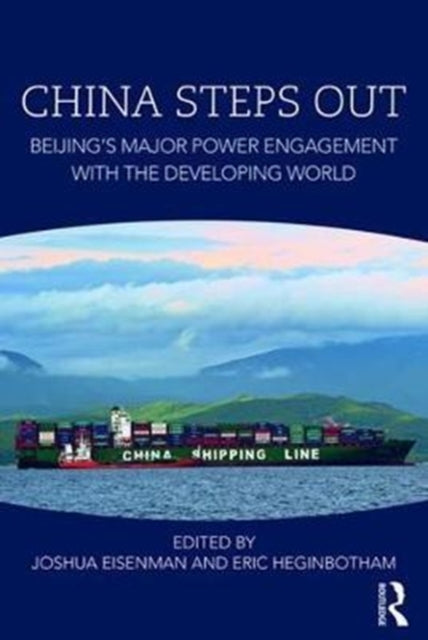
China Steps Out: Beijing's Major Power Engagement with the Developing World
China Steps Out: Beijing's Major Power Engagement with the Developing World
💎 Earn 250 Points (£2.50) on this item.
We can order this item for you. Delivery usually takes about 4 to 6 weeks.
This item is not held in our immediate stock. We will order it for you after checkout.
Estimated delivery: About 4 to 6 weeks
YOU SAVE £4.84
- Condition: Brand new
- UK Delivery times: Usually arrives within 2 - 3 working days
- UK Shipping: Fee starts at £3.89. Subject to product weight & dimension
Bulk ordering. Want 15 or more copies? Get a personalised quote and bigger discounts. Learn more about bulk orders.
Couldn't load pickup availability
- More about China Steps Out: Beijing's Major Power Engagement with the Developing World
China Steps Out examines and explains China's strategies in Southeast Asia, Central Asia, South Asia, Africa, the Middle East, and Latin America, and evaluates their effectiveness. It is informed by the academic literature and addresses a uniform set of questions about Beijing's strategy, making comparisons among regions based on economic, political, military, and social characteristics.
\n Format: Paperback / softback
\n Length: 438 pages
\n Publication date: 24 January 2018
\n Publisher: Taylor & Francis Ltd
\n
China's objectives towards the developing world have evolved and been pursued over time, reflecting its complex and multifaceted approach to international relations. In this comprehensive book, China Steps Out, renowned experts delve into China's strategies in various regions, including Southeast Asia, Central Asia, South Asia, Africa, the Middle East, and Latin America. Through analytical and insightful contributions, the book explores China's engagement with these developing countries and evaluates the effectiveness of its policies.
China's objectives towards the developing world can be broadly categorized into three main areas: economic development, infrastructure construction, and cultural exchange. Economic development involves promoting trade, investment, and cooperation with developing countries to foster economic growth and reduce poverty. China has implemented various initiatives, such as the Belt and Road Initiative (BRI), to facilitate economic connectivity and investment across Asia, Africa, and Europe. Infrastructure construction involves building roads, bridges, ports, and power plants in developing countries to improve their transportation and energy infrastructure. China has been involved in large-scale infrastructure projects in many regions, including the construction of the Beijing-Tianjin Intercity Railway and the Hambantota Port in Sri Lanka. Cultural exchange involves promoting Chinese language, culture, and values in developing countries to enhance mutual understanding and cooperation. China has established cultural centers, schools, and universities in various countries to promote cultural exchange and education.
Over time, China's objectives towards the developing world have evolved in response to changing global dynamics and the needs of developing countries. For example, China's engagement with Southeast Asia has been driven by its desire to expand its economic influence and secure resources. In Central Asia, China has been involved in counterterrorism efforts and promoting stability in the region. China's approach to Africa has focused on promoting economic development, infrastructure construction, and humanitarian aid, while also engaging in political and security cooperation. In the Middle East, China has sought to strengthen its relations with Arab countries and promote stability in the region through economic and political engagement.
China's objectives towards the developing world have also faced challenges and criticisms. Some critics argue that China's investment and infrastructure projects are often driven by self-interest rather than promoting sustainable development and human rights. Others have raised concerns about China's political influence in developing countries, particularly its role in the Belt and Road Initiative and its involvement in regional conflicts. Despite these challenges, China continues to play a significant role in the developing world, providing economic assistance, infrastructure development, and cultural exchange.
In conclusion, China's objectives towards the developing world have evolved and been pursued over time, reflecting its complex and multifaceted approach to international relations. China's strategies in various regions, including economic development, infrastructure construction, and cultural exchange, have aimed to promote mutual understanding, cooperation, and sustainable development. While China's engagement has faced challenges and criticisms, it remains an important player in the developing world, with significant implications for global politics and economics.
China's objectives towards the developing world have evolved and been pursued over time, reflecting its complex and multifaceted approach to international relations. In this comprehensive book, China Steps Out, renowned experts delve into China's strategies in various regions, including Southeast Asia, Central Asia, South Asia, Africa, the Middle East, and Latin America. Through analytical and insightful contributions, the book explores China's engagement with these developing countries and evaluates the effectiveness of its policies.
China's objectives towards the developing world can be broadly categorized into three main areas: economic development, infrastructure construction, and cultural exchange. Economic development involves promoting trade, investment, and cooperation with developing countries to foster economic growth and reduce poverty. China has implemented various initiatives, such as the Belt and Road Initiative (BRI), to facilitate economic connectivity and investment across Asia, Africa, and Europe. Infrastructure construction involves building roads, bridges, ports, and power plants in developing countries to improve their transportation and energy infrastructure. China has been involved in large-scale infrastructure projects in many regions, including the construction of the Beijing-Tianjin Intercity Railway and the Hambantota Port in Sri Lanka. Cultural exchange involves promoting Chinese language, culture, and values in developing countries to enhance mutual understanding and cooperation. China has established cultural centers, schools, and universities in various countries to promote cultural exchange and education.
Over time, China's objectives towards the developing world have evolved in response to changing global dynamics and the needs of developing countries. For example, China's engagement with Southeast Asia has been driven by its desire to expand its economic influence and secure resources. In Central Asia, China has been involved in counterterrorism efforts and promoting stability in the region. China's approach to Africa has focused on promoting economic development, infrastructure construction, and humanitarian aid, while also engaging in political and security cooperation. In the Middle East, China has sought to strengthen its relations with Arab countries and promote stability in the region through economic and political engagement.
China's objectives towards the developing world have also faced challenges and criticisms. Some critics argue that China's investment and infrastructure projects are often driven by self-interest rather than promoting sustainable development and human rights. Others have raised concerns about China's political influence in developing countries, particularly its role in the Belt and Road Initiative and its involvement in regional conflicts. Despite these challenges, China continues to play a significant role in the developing world, providing economic assistance, infrastructure development, and cultural exchange.
In conclusion, China's objectives towards the developing world have evolved and been pursued over time, reflecting its complex and multifaceted approach to international relations. China's strategies in various regions, including economic development, infrastructure construction, and cultural exchange, have aimed to promote mutual understanding, cooperation, and sustainable development. While China's engagement has faced challenges and criticisms, it remains an important player in the developing world, with significant implications for global politics and economics.
China's objectives towards the developing world have evolved and been pursued over time, reflecting its complex and multifaceted approach to international relations. In this comprehensive book, China Steps Out, renowned experts delve into China's strategies in various regions, including Southeast Asia, Central Asia, South Asia, Africa, the Middle East, and Latin America. Through analytical and insightful contributions, the book explores China's engagement with these developing countries and evaluates the effectiveness of its policies.
China's objectives towards the developing world can be broadly categorized into three main areas: economic development, infrastructure construction, and cultural exchange. Economic development involves promoting trade, investment, and cooperation with developing countries to foster economic growth and reduce poverty. China has implemented various initiatives, such as the Belt and Road Initiative (BRI), to facilitate economic connectivity and investment across Asia, Africa, and Europe. Infrastructure construction involves building roads, bridges, ports, and power plants in developing countries to improve their transportation and energy infrastructure. China has been involved in large-scale infrastructure projects in many regions, including the construction of the Beijing-Tianjin Intercity Railway and the Hambantota Port in Sri Lanka. Cultural exchange involves promoting Chinese language, culture, and values in developing countries to enhance mutual understanding and cooperation. China has established cultural centers, schools, and universities in various countries to promote cultural exchange and education.
Over time, China's objectives towards the developing world have evolved in response to changing global dynamics and the needs of developing countries. For example, China's engagement with Southeast Asia has been driven by its desire to expand its economic influence and secure resources. In Central Asia, China has been involved in counterterrorism efforts and promoting stability in the region. China's approach to Africa has focused on promoting economic development, infrastructure construction, and humanitarian aid, while also engaging in political and security cooperation. In the Middle East, China has sought to strengthen its relations with Arab countries and promote stability in the region through economic and political engagement.
China's objectives towards the developing world have also faced challenges and criticisms. Some critics argue that China's investment and infrastructure projects are often driven by self-interest rather than promoting sustainable development and human rights. Others have raised concerns about China's political influence in developing countries, particularly its role in the Belt and Road Initiative and its involvement in regional conflicts. Despite these challenges, China continues to play a significant role in the developing world, providing economic assistance, infrastructure development, and cultural exchange.
In conclusion, China's objectives towards the developing world have evolved and been pursued over time, reflecting its complex and multifaceted approach to international relations. China's strategies in various regions, including economic development, infrastructure construction, and cultural exchange, have aimed to promote mutual understanding, cooperation, and sustainable development. While China's engagement has faced challenges and criticisms, it remains an important player in the developing world, with significant implications for global politics and economics.
\n Weight: 688g\n
Dimension: 157 x 233 x 25 (mm)\n
ISBN-13: 9781138202931\n \n
UK and International shipping information
UK and International shipping information
We deliver throughout the United Kingdom and to 128 countries and territories worldwide, including the United States, Australia, Canada, Germany, Spain and France.