Shulph Ink
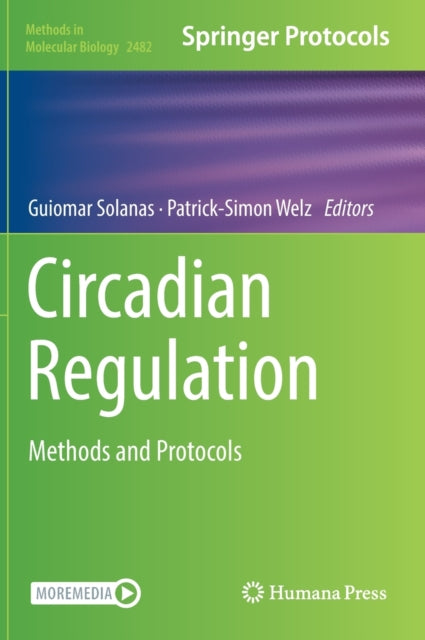
Circadian Regulation: Methods and Protocols
Circadian Regulation: Methods and Protocols
We can order this item for you. Delivery usually takes about 4 to 6 weeks.
This item is not held in our immediate stock. We will order it for you after checkout.
Estimated delivery: About 4 to 6 weeks
YOU SAVE £32.32
- Condition: Brand new
- UK Delivery times: Usually arrives within 2 - 3 working days
- UK Shipping: Fee starts at £3.89. Subject to product weight & dimension
Bulk ordering. Want 15 or more copies? Get a personalised quote and bigger discounts. Learn more about bulk orders.
Couldn't load pickup availability
- More about Circadian Regulation: Methods and Protocols
This volume provides methods for circadian research, covering techniques, model organisms, and in vitro and in silico methods. Written in the format of the highly successful Methods in Molecular Biology series, it aims to be a practical guide for researchers.
Format: Hardback
Length: 410 pages
Publication date: 25 May 2022
Publisher: Springer-Verlag New York Inc.
This comprehensive volume delves into various aspects of circadian research, offering detailed methods and techniques for studying daily rhythmic processes. Written in the style of the highly successful Methods in Molecular Biology series, each chapter provides an introduction to the topic, outlines the necessary materials and reagents, offers helpful tips on troubleshooting and potential pitfalls, and presents step-by-step, readily reproducible protocols. Authored by esteemed experts in the field, Circadian Regulation: Methods and Protocols strives to serve as an invaluable practical guide for researchers seeking to advance their understanding of this dynamic field.
Chapter 1 provides an overview of circadian research, highlighting its significance and the challenges faced in studying daily rhythms. It introduces the concept of the circadian clock and discusses the role of the suprachiasmatic nucleus (SCN) in regulating circadian rhythms in peripheral organs. The chapter also explores the use of model organisms, such as mice and flies, in circadian research and discusses the advantages and limitations of these models.
Chapter 2 focuses on the techniques used to measure circadian rhythms, including electroencephalography (EEG), melatonin measurements, and gene expression analysis. It provides detailed protocols for recording EEG signals, analyzing melatonin levels, and performing qPCR to measure gene expression. The chapter also discusses the challenges associated with each technique and provides tips on optimizing data collection and analysis.
Chapter 3 explores the methods used to study circadian rhythms in the SCN, including cell culture, electrophysiology, and molecular biology techniques. It provides detailed protocols for culturing SCN neurons, recording electrical activity, and analyzing gene expression in these cells. The chapter also discusses the use of transgenic mice and in vitro systems to study circadian rhythms and highlights the advantages and limitations of these approaches.
Chapter 4 discusses the methods used to study circadian rhythms in peripheral organs, including the liver, heart, and lungs. It provides detailed protocols for measuring circadian rhythms in these organs using techniques such as RT-PCR, Western blotting, and immunohistochemistry. The chapter also discusses the role of hormones and neurotransmitters in regulating circadian rhythms and highlights the use of knockout mice and in vivo systems to study these processes.
Chapter 5 explores the methods used to study circadian rhythms in humans, including sleep studies, actigraphy, and questionnaires. It provides detailed protocols for conducting sleep studies, analyzing actigraphy data, and interpreting questionnaire results. The chapter also discusses the challenges associated with studying human circadian rhythms and highlights the importance of interdisciplinary research.
Chapter 6 discusses the methods used to study circadian rhythms in plants, including Arabidopsis thaliana and rice. It provides detailed protocols for culturing plant cells, measuring circadian rhythms using fluorescence, and analyzing gene expression in these cells. The chapter also discusses the role of light and environmental cues in regulating circadian rhythms and highlights the use of transgenic plants and in vitro systems to study these processes.
Chapter 7 discusses the methods used to study circadian rhythms in invertebrates, including Drosophila melanogaster and Caenorhabditis elegans. It provides detailed protocols for culturing these organisms, measuring circadian rhythms using fluorescence, and analyzing gene expression in these cells. The chapter also discusses the role of hormones and neurotransmitters in regulating circadian rhythms and highlights the use of knockout animals and in vivo systems to study these processes.
Chapter 8 discusses the methods used to study circadian rhythms in bacteria, including Escherichia coli and Bacillus subtilis. It provides detailed protocols for culturing these organisms, measuring circadian rhythms using fluorescence, and analyzing gene expression in these cells. The chapter also discusses the role of environmental cues in regulating circadian rhythms and highlights the use of mutant strains and in vitro systems to study these processes.
Chapter 9 discusses the methods used to study circadian rhythms in fungi, including Neurospora crassa and Candida albicans. It provides detailed protocols for culturing these organisms, measuring circadian rhythms using fluorescence, and analyzing gene expression in these cells. The chapter also discusses the role of hormones and neurotransmitters in regulating circadian rhythms and highlights the use of knockout strains and in vitro systems to study these processes.
Chapter 10 discusses the methods used to study circadian rhythms in archaea, including Halobacterium salinarum and Thermococcus luteus. It provides detailed protocols for culturing these organisms, measuring circadian rhythms using fluorescence, and analyzing gene expression in these cells. The chapter also discusses the role of environmental cues in regulating circadian rhythms and highlights the use of mutant strains and in vitro systems to study these processes.
Chapter 11 discusses the methods used to study circadian rhythms in mammals, including mice, rats, and humans. It provides detailed protocols for studying circadian rhythms in these animals using techniques such as EEG, melatonin measurements, and gene expression analysis. The chapter also discusses the role of hormones and neurotransmitters in regulating circadian rhythms and highlights the use of transgenic animals and in vivo systems to study these processes.
Chapter 12 discusses the methods used to study circadian rhythms in other organisms, including fish, reptiles, and birds. It provides detailed protocols for studying circadian rhythms in these organisms using techniques such as RT-PCR, Western blotting, and immunohistochemistry. The chapter also discusses the role of environmental cues in regulating circadian rhythms and highlights the use of mutant strains and in vitro systems to study these processes.
Chapter 13 discusses the methods used to study circadian rhythms in humans, including the effects of environmental factors on circadian rhythms, the development of circadian rhythms in infancy, and the treatment of circadian rhythm disorders. It provides detailed protocols for studying these processes using techniques such as sleep studies, actigraphy, and questionnaires. The chapter also discusses the challenges associated with studying human circadian rhythms and highlights the importance of interdisciplinary research.
Chapter 14 discusses the methods used to study circadian rhythms in other animals, including the effects of environmental factors on circadian rhythms, the development of circadian rhythms in infancy, and the treatment of circadian rhythm disorders. It provides detailed protocols for studying these processes using techniques such as sleep studies, actigraphy, and questionnaires. The chapter also discusses the challenges associated with studying human circadian rhythms and highlights the importance of interdisciplinary research.
Chapter 15 discusses the methods used to study circadian rhythms in plants, including the effects of environmental factors on circadian rhythms, the development of circadian rhythms in infancy, and the treatment of circadian rhythm disorders. It provides detailed protocols for studying these processes using techniques such as sleep studies, actigraphy, and questionnaires. The chapter also discusses the challenges associated with studying human circadian rhythms and highlights the importance of interdisciplinary research.
Chapter 16 discusses the methods used to study circadian rhythms in invertebrates, including the effects of environmental factors on circadian rhythms, the development of circadian rhythms in infancy, and the treatment of circadian rhythm disorders. It provides detailed protocols for studying these processes using techniques such as sleep studies, actigraphy, and questionnaires. The chapter also discusses the challenges associated with studying human circadian rhythms and highlights the importance of interdisciplinary research.
Chapter 17 discusses the methods used to study circadian rhythms in bacteria, including the effects of environmental factors on circadian rhythms, the development of circadian rhythms in infancy, and the treatment of circadian rhythm disorders. It provides detailed protocols for studying these processes using techniques such as sleep studies, actigraphy, and questionnaires. The chapter also discusses the challenges associated with studying human circadian rhythms and highlights the importance of interdisciplinary research.
In conclusion, Circadian Regulation: Methods and Protocols is an essential resource for researchers seeking to advance their understanding of circadian research. The comprehensive coverage of various aspects of circadian research, coupled with the detailed and readily reproducible protocols, makes this volume an invaluable tool for researchers in the field. Whether you are a novice or an experienced researcher, this book will provide you with the knowledge and tools necessary to explore the complexities of circadian rhythms and contribute to the ongoing research in this field.
Weight: 990g
Dimension: 254 x 178 (mm)
ISBN-13: 9781071622483
Edition number: 1st ed. 2022
UK and International shipping information
UK and International shipping information
We deliver throughout the United Kingdom and to 128 countries and territories worldwide, including the United States, Australia, Canada, Germany, Spain and France.