Martha London
Climate Change: How Climate Change Works
Climate Change: How Climate Change Works
YOU SAVE £3.56
- Condition: Brand new
- UK Delivery times: Usually arrives within 2 - 3 working days
- UK Shipping: Fee starts at £2.39. Subject to product weight & dimension
Bulk ordering. Want 15 or more copies? Get a personalised quote and bigger discounts. Learn more about bulk orders.
Couldn't load pickup availability
- More about Climate Change: How Climate Change Works
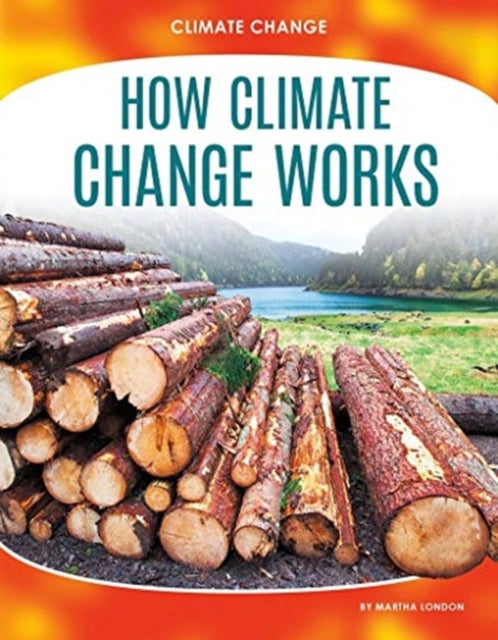
The book explains how climate change works by examining the science behind it, including how it began and how changes in the atmosphere lead to changes on Earth. It features easy-to-read text, vivid images, and helpful back matter, and is aligned to Common Core Standards and correlated to state standards.
Format: Paperback / softback
Length: 48 pages
Publication date: 01 March 2021
Publisher: North Star Editions
Climate change is a pressing global issue that has been caused by the increasing levels of greenhouse gases in the atmosphere. As these gases accumulate, they trap heat and energy from the sun, leading to a range of environmental problems, including rising temperatures, melting ice caps, and extreme weather events.
Climate change is a complex phenomenon that involves the interaction of various factors, including the sun, oceans, atmosphere, and land. The sun is the primary source of energy for the Earth, and its radiation provides the heat that drives the planet's climate system. However, human activities, such as burning fossil fuels and deforestation, have increased the concentration of greenhouse gases in the atmosphere, leading to a warming effect known as global warming.
Global warming has a range of impacts on the Earth's environment, including:
Rising Temperatures: The Earth's average temperature has been increasing steadily over the past century, with the most recent decade being the warmest on record. This increase in temperature is causing melting ice caps, rising sea levels, and more frequent and severe heat waves.
Extreme Weather Events: Climate change is increasing the frequency and intensity of extreme weather events, such as hurricanes, floods, droughts, and wildfires. These events can have devastating impacts on human populations, infrastructure, and the environment.
Loss of Biodiversity: Climate change is causing habitat loss and fragmentation, which is leading to the loss of biodiversity and the extinction of many species. This loss is particularly significant for species that are unable to adapt to changing climate conditions.
Sea Level Rise: As the Earth's temperature increases, the ice sheets and glaciers that cover large parts of the planet melt, leading to sea level rise. This rise is threatening coastal communities and ecosystems around the world.
Climate change is a complex issue that requires a global response. Governments, businesses, and individuals all have a role to play in reducing greenhouse gas emissions and mitigating the impacts of climate change.
Reducing greenhouse gas emissions is one of the most effective ways to mitigate the impacts of climate change. This can be done by transitioning to renewable energy sources, such as solar and wind power, reducing energy consumption, and promoting sustainable practices, such as recycling and reducing waste.
Individuals can also make a difference by reducing their carbon footprint. This can be done by driving less, using public transportation, eating a plant-based diet, and reducing waste.
In addition to reducing greenhouse gas emissions, governments can also take action to mitigate the impacts of climate change. This can include implementing policies to reduce emissions, investing in renewable energy infrastructure, and providing support to vulnerable communities and ecosystems.
Businesses can also play a role in reducing their carbon footprint. This can be done by implementing sustainable practices, such as reducing energy consumption and waste, and investing in renewable energy sources.
Climate change is a pressing global issue that requires urgent action. By reducing greenhouse gas emissions, mitigating the impacts of climate change, and adapting to the changing climate, we can help to protect the planet and ensure a sustainable future for generations to come.
Climate change is a pressing global issue that has been caused by the increasing levels of greenhouse gases in the atmosphere. As these gases accumulate, they trap heat and energy from the sun, leading to a range of environmental problems, including rising temperatures, melting ice caps, and extreme weather events.
Climate change is a complex phenomenon that involves the interaction of various factors, including the sun, oceans, atmosphere, and land. The sun is the primary source of energy for the Earth, and its radiation provides the heat that drives the planet's climate system. However, human activities, such as burning fossil fuels and deforestation, have increased the concentration of greenhouse gases in the atmosphere, leading to a warming effect known as global warming.
Global warming has a range of impacts on the Earth's environment, including:
Rising Temperatures: The Earth's average temperature has been increasing steadily over the past century, with the most recent decade being the warmest on record. This increase in temperature is causing melting ice caps, rising sea levels, and more frequent and severe heat waves.
Extreme Weather Events: Climate change is increasing the frequency and intensity of extreme weather events, such as hurricanes, floods, droughts, and wildfires. These events can have devastating impacts on human populations, infrastructure, and the environment.
Loss of Biodiversity: Climate change is causing habitat loss and fragmentation, which is leading to the loss of biodiversity and the extinction of many species. This loss is particularly significant for species that are unable to adapt to changing climate conditions.
Sea Level Rise: As the Earth's temperature increases, the ice sheets and glaciers that cover large parts of the planet melt, leading to sea level rise. This rise is threatening coastal communities and ecosystems around the world.
Climate change is a complex issue that requires a global response. Governments, businesses, and individuals all have a role to play in reducing greenhouse gas emissions and mitigating the impacts of climate change.
Reducing greenhouse gas emissions is one of the most effective ways to mitigate the impacts of climate change. This can be done by transitioning to renewable energy sources, such as solar and wind power, reducing energy consumption, and promoting sustainable practices, such as recycling and reducing waste.
Individuals can also make a difference by reducing their carbon footprint. This can be done by driving less, using public transportation, eating a plant-based diet, and reducing waste.
In addition to reducing greenhouse gas emissions, governments can also take action to mitigate the impacts of climate change. This can include implementing policies to reduce emissions, investing in renewable energy infrastructure, and providing support to vulnerable communities and ecosystems.
Businesses can also play a role in reducing their carbon footprint. This can be done by implementing sustainable practices, such as reducing energy consumption and waste, and investing in renewable energy sources.
Climate change is a pressing global issue that requires urgent action. By reducing greenhouse gas emissions, mitigating the impacts of climate change, and adapting to the changing climate, we can help to protect the planet and ensure a sustainable future for generations to come.
Weight: 134g
Dimension: 177 x 328 x 7 (mm)
ISBN-13: 9781644944271
This item can be found in:
UK and International shipping information
UK and International shipping information
UK Delivery and returns information:
- Delivery within 2 - 3 days when ordering in the UK.
- Shipping fee for UK customers from £2.39. Fully tracked shipping service available.
- Returns policy: Return within 30 days of receipt for full refund.
International deliveries:
Shulph Ink now ships to Australia, Belgium, Canada, France, Germany, Ireland, Italy, India, Luxembourg Saudi Arabia, Singapore, Spain, Netherlands, New Zealand, United Arab Emirates, United States of America.
- Delivery times: within 5 - 10 days for international orders.
- Shipping fee: charges vary for overseas orders. Only tracked services are available for most international orders. Some countries have untracked shipping options.
- Customs charges: If ordering to addresses outside the United Kingdom, you may or may not incur additional customs and duties fees during local delivery.