Shulph Ink
Coastal Tourism in Southern Europe in the XXth century: New economy and material culture
Coastal Tourism in Southern Europe in the XXth century: New economy and material culture
💎 Earn 152 Points (£1.52) on this item.
We can order this item for you. Delivery usually takes about 4 to 6 weeks.
This item is not held in our immediate stock. We will order it for you after checkout.
Estimated delivery: About 4 to 6 weeks
YOU SAVE £3.96
- Condition: Brand new
- UK Delivery times: Usually arrives within 2 - 3 working days
- UK Shipping: Fee starts at £2.39. Subject to product weight & dimension
Bulk ordering. Want 15 or more copies? Get a personalised quote and bigger discounts. Learn more about bulk orders.
Couldn't load pickup availability
- More about Coastal Tourism in Southern Europe in the XXth century: New economy and material culture
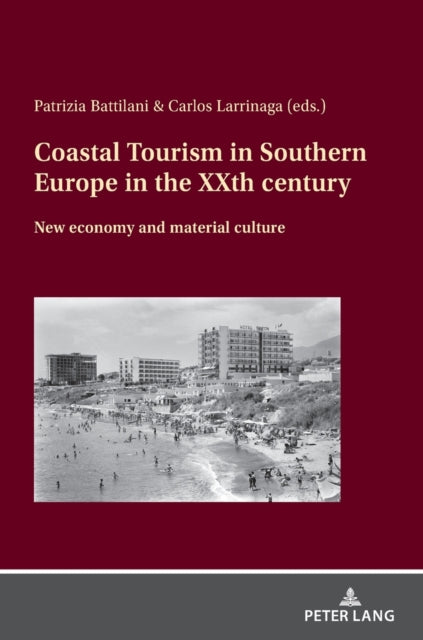
This book explores how maritime and coastal tourism in southern Europe created a new economy and material culture during the 20th century, making it the most important tourist destination in the world.
Format: Hardback
Length: 186 pages
Publication date: 11 November 2021
Publisher: Peter Lang AG
Tourism holds a significant position as one of the foremost economic and social activities in modern societies. However, it is worth noting that this was not always the case, and we must trace the origins of modern tourism and its associated material culture to the transition from the 19th to the 20th century. This book specifically delves into the realm of tourism within a distinct geographical context, namely the countries of southern Europe, and adopts a chronology centered on the 20th century, with a primary focus on the various pillars of sustainability: economic, social, and environmental.
The primary objective of this book is to examine the profound impact of maritime and coastal tourism on the emergence of a new economy and material culture during the 20th century, with a particular emphasis on exploring diverse countries and regions within southern Europe. It is worth noting that even today, this region remains the most prominent tourist destination globally.
The historical development of tourism in southern Europe is intricately linked to the region's unique geographical features, including its extensive coastline, picturesque beaches, and rich cultural heritage. As a result, the countries of southern Europe have experienced a significant surge in tourism over the past century, attracting millions of visitors each year.
One of the key factors contributing to the growth of tourism in southern Europe has been the development of transportation infrastructure. With the advent of modern transportation modes such as trains, planes, and automobiles, it has become easier for people to travel to and explore the region. This has facilitated the growth of tourism-related industries, including hotels, restaurants, and transportation services.
In addition to its natural attractions, southern Europe is also known for its rich cultural heritage. The region is home to numerous historical landmarks, museums, and art galleries, which attract visitors from all over the world. These cultural attractions provide a unique experience for tourists and contribute to the region's economic development.
However, with the growth of tourism comes the need for sustainable development. Southern Europe faces several challenges, including environmental degradation, overcrowding, and cultural insensitivity. To address these challenges, there has been a growing emphasis on promoting sustainable tourism practices.
One of the key strategies for promoting sustainable tourism in southern Europe is the development of eco-tourism initiatives. These initiatives aim to minimize the negative impact of tourism on the environment and local communities. For example, some hotels and resorts have implemented eco-friendly practices such as recycling and energy-efficient lighting, while others have focused on promoting sustainable agriculture and local products.
Another important aspect of sustainable tourism is the promotion of cultural sensitivity and awareness. Tour operators and travel agencies are increasingly emphasizing the importance of respecting local customs and traditions and providing visitors with a genuine experience of the region's culture. This includes offering cultural tours, language classes, and educational programs that help visitors understand the region's history, heritage, and traditions.
In conclusion, tourism constitutes one of the most important economic and social activities in contemporary societies. The birth of modern tourism and its material culture can be traced to the transition from the 19th to the 20th century. Southern Europe, with its unique geographical features, rich cultural heritage, and sustainable tourism practices, remains the most prominent tourist destination globally. By promoting sustainable tourism practices and cultural sensitivity, southern Europe can continue to thrive as a tourist destination while also preserving its natural and cultural resources for future generations.
Weight: 317g
Dimension: 210 x 148 (mm)
ISBN-13: 9783631864715
Edition number: New ed
UK and International shipping information
UK and International shipping information
UK Delivery and returns information:
- Delivery within 2 - 3 days when ordering in the UK.
- Shipping fee for UK customers from £2.39. Fully tracked shipping service available.
- Returns policy: Return within 30 days of receipt for full refund.
International deliveries:
Shulph Ink now ships to Australia, Belgium, Canada, France, Germany, Ireland, Italy, India, Luxembourg Saudi Arabia, Singapore, Spain, Netherlands, New Zealand, United Arab Emirates, United States of America.
- Delivery times: within 5 - 10 days for international orders.
- Shipping fee: charges vary for overseas orders. Only tracked services are available for most international orders. Some countries have untracked shipping options.
- Customs charges: If ordering to addresses outside the United Kingdom, you may or may not incur additional customs and duties fees during local delivery.