Shulph Ink
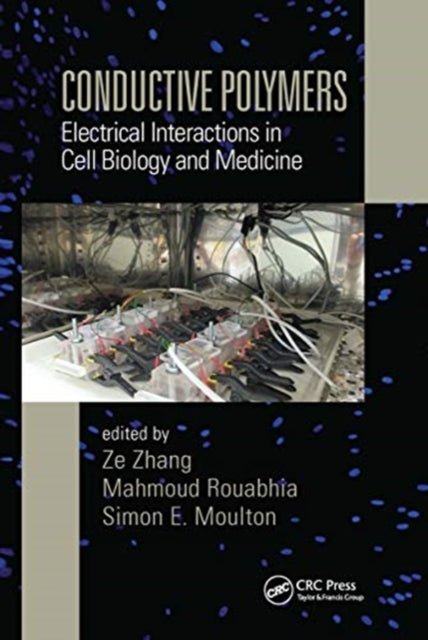
Conductive Polymers: Electrical Interactions in Cell Biology and Medicine
Conductive Polymers: Electrical Interactions in Cell Biology and Medicine
We can order this item for you. Delivery usually takes about 4 to 6 weeks.
This item is not held in our immediate stock. We will order it for you after checkout.
Estimated delivery: About 4 to 6 weeks
YOU SAVE £4.75
- Condition: Brand new
- UK Delivery times: Usually arrives within 2 - 3 working days
- UK Shipping: Fee starts at £3.89. Subject to product weight & dimension
Bulk ordering. Want 15 or more copies? Get a personalised quote and bigger discounts. Learn more about bulk orders.
Couldn't load pickup availability
- More about Conductive Polymers: Electrical Interactions in Cell Biology and Medicine
The book explores conductive polymers' electrical interactions with biological systems, covering chemistry, physics, applications, and limitations, with a focus on cytotoxicity and tissue compatibility. It emphasizes their importance in biomedical engineering and potential medical applications.
Format: Paperback / softback
Length: 420 pages
Publication date: 31 March 2021
Publisher: Taylor & Francis Ltd
This book is dedicated to the field of conductive polymers, focusing on electrical interactions with biological systems. It provides an overview of the chemistry and physics of conductive polymers, their useful characteristics as well as limitations, and technologies that apply conductive polymers for medical purposes. It addresses cytotoxicity and tissue compatibility of conductive polymers, the basics on electromagnetic fields, and commonly used experimental methods. Readers will also learn how cells are cultured in vitro with conductive polymers, and how conductive polymers and living tissues interact electrically. Throughout the contents, chapter authors emphasize the importance of conductive polymers in biomedical engineering and their potential applications in medicine.
Conductive Polymers in Biomedical Engineering
This book is dedicated to the field of conductive polymers, focusing on electrical interactions with biological systems. It provides an overview of the chemistry and physics of conductive polymers, their useful characteristics as well as limitations, and technologies that apply conductive polymers for medical purposes. It addresses cytotoxicity and tissue compatibility of conductive polymers, the basics on electromagnetic fields, and commonly used experimental methods. Readers will also learn how cells are cultured in vitro with conductive polymers, and how conductive polymers and living tissues interact electrically. Throughout the contents, chapter authors emphasize the importance of conductive polymers in biomedical engineering and their potential applications in medicine.
Introduction
Conductive polymers have gained significant attention in recent years due to their unique properties and potential applications in various fields, including electronics, energy, and medicine. In the field of biomedical engineering, conductive polymers have been used to develop a wide range of medical devices, such as implants, prosthetics, and biosensors. These devices are designed to interact with the biological system in a safe and effective manner, and conductive polymers play a crucial role in this interaction.
Chemistry and Physics of Conductive Polymers
Conductive polymers are organic compounds that contain conjugated double bonds in their backbone. These bonds allow electrons to move freely throughout the polymer, resulting in electrical conductivity. Conductive polymers can be synthesized using a variety of methods, including chemical synthesis, electrochemical synthesis, and polymerization. The chemistry and physics of conductive polymers are complex and diverse, and they have been studied extensively in recent years.
Uses of Conductive Polymers in Biomedical Engineering
Conductive polymers have a wide range of uses in biomedical engineering. They can be used as the conducting interface for electrical communications with the biological system, both in vitro and in vivo. In vitro, conductive polymers can be used to study the electrical properties of cells and tissues, and to develop new medical devices. In vivo, conductive polymers can be used to deliver drugs, genes, and other therapeutic agents to the body.
Cytotoxicity and Tissue Compatibility of Conductive Polymers
One of the major challenges associated with the use of conductive polymers in biomedical engineering is cytotoxicity. Cytotoxicity refers to the ability of a material to cause damage to cells or tissues. Conductive polymers can be cytotoxic, and this can limit their use in medical devices. Tissue compatibility is also important, as conductive polymers must be able to interact with the biological system in a safe and effective manner.
Electromagnetic Fields and Conductive Polymers
Electromagnetic fields are a fundamental part of the biological system. Conductive polymers can interact with electromagnetic fields, and this can have a significant impact on their behavior. Conductive polymers can be used to create electromagnetic shields, which can protect against electromagnetic radiation. They can also be used to create electromagnetic sensors, which can detect the presence of electromagnetic fields.
Commonly Used Experimental Methods
There are a variety of commonly used experimental methods for studying conductive polymers in biomedical engineering. These methods include electrochemical impedance spectroscopy, scanning electron microscopy, and fluorescence microscopy. Electrochemical impedance spectroscopy is used to measure the electrical properties of conductive polymers, while scanning electron microscopy is used to study the morphology of conductive polymers. Fluorescence microscopy is used to study the behavior of cells and tissues in response to conductive polymers.
Cell Culture in Vitro with Conductive Polymers
Cell culture in vitro with conductive polymers is a critical step in the development of medical devices. Conductive polymers can be used to create a variety of cell culture substrates, including microfluidic devices, tissue engineering scaffolds, and drug delivery systems. These substrates can be used to study the behavior of cells and tissues in response to conductive polymers, and to develop new medical devices.
Interaction of Conductive Polymers with Living Tissues
Conductive polymers can interact with living tissues in a variety of ways. They can be used to deliver drugs, genes, and other therapeutic agents to the body, and they can also be used to create electrical connections between cells and tissues. Conductive polymers can also be used to create electrical sensors, which can detect the presence of electrical signals in the body.
Conclusion
Conductive polymers have gained significant attention in recent years due to their unique properties and potential applications in various fields, including electronics, energy, and medicine. In the field of biomedical engineering, conductive polymers have been used to develop a wide range of medical devices, such as implants, prosthetics, and biosensors. These devices are designed to interact with the biological system in a safe and effective manner, and conductive polymers play a crucial role in this interaction. However, cytotoxicity and tissue compatibility are major challenges associated with the use of conductive polymers in biomedical engineering, and it is important to address these challenges in order to ensure the safe and effective use of these materials in medical devices.
Conductive Polymers in Biomedical Engineering
This book is dedicated to the field of conductive polymers, focusing on electrical interactions with biological systems. It provides an overview of the chemistry and physics of conductive polymers, their useful characteristics as well as limitations, and technologies that apply conductive polymers for medical purposes. It addresses cytotoxicity and tissue compatibility of conductive polymers, the basics on electromagnetic fields, and commonly used experimental methods. Readers will also learn how cells are cultured in vitro with conductive polymers, and how conductive polymers and living tissues interact electrically. Throughout the contents, chapter authors emphasize the importance of conductive polymers in biomedical engineering and their potential applications in medicine.
Introduction
Conductive polymers have gained significant attention in recent years due to their unique properties and potential applications in various fields, including electronics, energy, and medicine. In the field of biomedical engineering, conductive polymers have been used to develop a wide range of medical devices, such as implants, prosthetics, and biosensors. These devices are designed to interact with the biological system in a safe and effective manner, and conductive polymers play a crucial role in this interaction.
Chemistry and Physics of Conductive Polymers
Conductive polymers are organic compounds that contain conjugated double bonds in their backbone. These bonds allow electrons to move freely throughout the polymer, resulting in electrical conductivity. Conductive polymers can be synthesized using a variety of methods, including chemical synthesis, electrochemical synthesis, and polymerization. The chemistry and physics of conductive polymers are complex and diverse, and they have been studied extensively in recent years.
Uses of Conductive Polymers in Biomedical Engineering
Conductive polymers have a wide range of uses in biomedical engineering. They can be used as the conducting interface for electrical communications with the biological system, both in vitro and in vivo. In vitro, conductive polymers can be used to study the electrical properties of cells and tissues, and to develop new medical devices. In vivo, conductive polymers can be used to deliver drugs, genes, and other therapeutic agents to the body.
Cytotoxicity and Tissue Compatibility of Conductive Polymers
One of the major challenges associated with the use of conductive polymers in biomedical engineering is cytotoxicity. Cytotoxicity refers to the ability of a material to cause damage to cells or tissues. Conductive polymers can be cytotoxic, and this can limit their use in medical devices. Tissue compatibility is also important, as conductive polymers must be able to interact with the biological system in a safe and effective manner.
Electromagnetic Fields and Conductive Polymers
Electromagnetic fields are a fundamental part of the biological system. Conductive polymers can interact with electromagnetic fields, and this can have a significant impact on their behavior. Conductive polymers can be used to create electromagnetic shields, which can protect against electromagnetic radiation. They can also be used to create electromagnetic sensors, which can detect the presence of electromagnetic fields.
Commonly Used Experimental Methods
There are a variety of commonly used experimental methods for studying conductive polymers in biomedical engineering. These methods include electrochemical impedance spectroscopy, scanning electron microscopy, and fluorescence microscopy. Electrochemical impedance spectroscopy is used to measure the electrical properties of conductive polymers, while scanning electron microscopy is used to study the morphology of conductive polymers. Fluorescence microscopy is used to study the behavior of cells and tissues in response to conductive polymers.
Cell Culture in Vitro with Conductive Polymers
Cell culture in vitro with conductive polymers is a critical step in the development of medical devices. Conductive polymers can be used to create a variety of cell culture substrates, including microfluidic devices, tissue engineering scaffolds, and drug delivery systems. These substrates can be used to study the behavior of cells and tissues in response to conductive polymers, and to develop new medical devices.
Interaction of Conductive Polymers with Living Tissues
Conductive polymers can interact with living tissues in a variety of ways. They can be used to deliver drugs, genes, and other therapeutic agents to the body, and they can also be used to create electrical connections between cells and tissues. Conductive polymers can also be used to create electrical sensors, which can detect the presence of electrical signals in the body.
Conclusion
Conductive polymers have gained significant attention in recent years due to their unique properties and potential applications in various fields, including electronics, energy, and medicine. In the field of biomedical engineering, conductive polymers have been used to develop a wide range of medical devices, such as implants, prosthetics, and biosensors. These devices are designed to interact with the biological system in a safe and effective manner, and conductive polymers play a crucial role in this interaction. However, cytotoxicity and tissue compatibility are major challenges associated with the use of conductive polymers in biomedical engineering, and it is important to address these challenges in order to ensure the safe and effective use of these materials in medical devices.
Weight: 816g
Dimension: 234 x 156 (mm)
ISBN-13: 9780367782214
UK and International shipping information
UK and International shipping information
We deliver throughout the United Kingdom and to 128 countries and territories worldwide, including the United States, Australia, Canada, Germany, Spain and France.