Katherine A. Foss
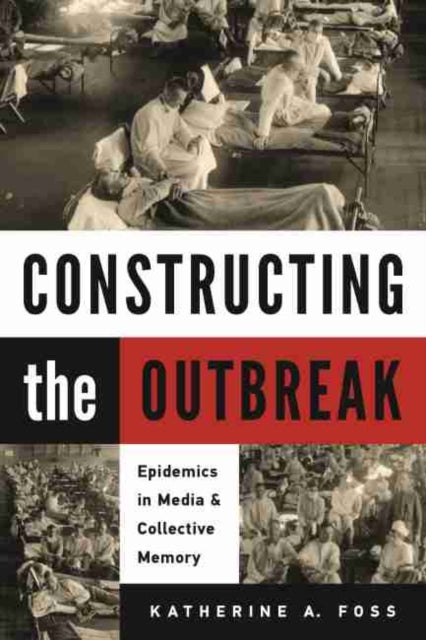
Constructing the Outbreak: Epidemics in Media and Collective Memory
Constructing the Outbreak: Epidemics in Media and Collective Memory
💎 Earn 117 Points (£1.17) on this item.
YOU SAVE £1.40
- Condition: Brand new
- UK Delivery times: Usually arrives within 2 - 3 working days
- UK Shipping: Fee starts at £2.39. Subject to product weight & dimension
Bulk ordering. Want 15 or more copies? Get a personalised quote and bigger discounts. Learn more about bulk orders.
Couldn't load pickup availability
- More about Constructing the Outbreak: Epidemics in Media and Collective Memory
Media outlets play a crucial role in shaping how epidemics are framed and understood, serving as historical records and capturing sentiments, responses, and fears. Katherine A. Foss' book Constructing the Outbreak explores how shifts in journalism and medicine influenced the coverage, preservation, and fictionalization of different disease outbreaks, shedding light on current health care debates such as vaccine hesitancy.
Format: Paperback / softback
Length: 232 pages
Publication date: 30 October 2020
Publisher: University of Massachusetts Press
When an epidemic strikes, media outlets play a crucial role in shaping how the outbreak is perceived and understood by the public. Reporters, armed with information from doctors and politicians, craft stories aimed at informing the public and conveying essential details about the disease. However, news narratives go beyond mere information dissemination; they also serve as historical records, capturing the sentiments, responses, and fears of the people during the epidemic.
In her book, Constructing the Outbreak: News Reporting on Epidemics, Katherine A. Foss explores the intricate relationship between news reporting and epidemics. Foss examines seven significant epidemics that occurred over more than two hundred years, ranging from the smallpox epidemic in Boston in the eighteenth century to the outbreaks of diphtheria, influenza, and typhoid in the early twentieth century. By analyzing these cases, Foss sheds light on how shifts in journalism and medicine influenced the coverage, preservation, and fictionalization of different disease outbreaks.
Each case study in the book delves into various aspects of this interplay, including colonization, tourism, war, and politics. Foss highlights how these factors shaped the way epidemics were reported and interpreted by the media and the public. For example, during the smallpox epidemic in Boston, the media played a significant role in spreading fear and misinformation about the disease, leading to widespread panic and discrimination against those affected.
On the other hand, during the yellow fever epidemic in Philadelphia in the eighteenth century, the media was instrumental in promoting public health measures and raising awareness about the disease. Reporters documented the devastating effects of the disease and advocated for measures such as quarantine and vaccination to control the outbreak.
The book also explores how the media influenced the preservation and forgetting of disease outbreaks in the collective memory of society. Foss argues that certain epidemics, such as the Spanish flu pandemic of 1918, have been deeply etched in the public's memory due to the widespread coverage and emotional impact of the news reports. However, other epidemics, such as the outbreak of typhoid in the early twentieth century, have been largely forgotten or marginalized, despite their significant impact on public health.
Through her investigation into what has been preserved and forgotten in the collective memory of disease, Foss sheds light on current health care debates, such as vaccine hesitancy. Foss argues that the media's portrayal of epidemics can have a significant impact on public attitudes and behaviors, and that journalists need to be mindful of the biases and agendas they may bring to their reporting.
In conclusion, Constructing the Outbreak: News Reporting on Epidemics is a valuable contribution to the study of epidemics and media history. By examining the interplay between news reporting and epidemics over centuries, Foss provides insights into how prejudices, political agendas, religious beliefs, and scientific theories have shaped the coverage and understanding of disease outbreaks. The book also highlights the importance of media literacy and the need for journalists to be responsible and ethical in their reporting.
Weight: 436g
Dimension: 153 x 228 x 24 (mm)
ISBN-13: 9781625345288
UK and International shipping information
UK and International shipping information
UK Delivery and returns information:
- Delivery within 2 - 3 days when ordering in the UK.
- Shipping fee for UK customers from £2.39. Fully tracked shipping service available.
- Returns policy: Return within 30 days of receipt for full refund.
International deliveries:
Shulph Ink now ships to Australia, Belgium, Canada, France, Germany, Ireland, Italy, India, Luxembourg Saudi Arabia, Singapore, Spain, Netherlands, New Zealand, United Arab Emirates, United States of America.
- Delivery times: within 5 - 10 days for international orders.
- Shipping fee: charges vary for overseas orders. Only tracked services are available for most international orders. Some countries have untracked shipping options.
- Customs charges: If ordering to addresses outside the United Kingdom, you may or may not incur additional customs and duties fees during local delivery.