Shulph Ink
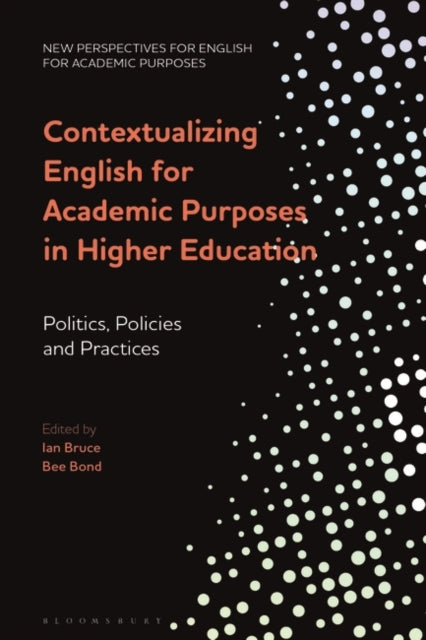
Contextualizing English for Academic Purposes in Higher Education: Politics, Policies and Practices
Contextualizing English for Academic Purposes in Higher Education: Politics, Policies and Practices
💎 Earn 531 Points (£5.31) on this item.
- Condition: Brand new
- UK Delivery times: Usually arrives within 2 - 3 working days
- UK Shipping: Fee starts at £2.39. Subject to product weight & dimension
Bulk ordering. Want 15 or more copies? Get a personalised quote and bigger discounts. Learn more about bulk orders.
Couldn't load pickup availability
- More about Contextualizing English for Academic Purposes in Higher Education: Politics, Policies and Practices
This book emphasizes the political and ideological aspects of English for Academic Purposes (EAP) and explores how these factors shape its practices, recruitment, and participation of international students. It highlights the power dynamics at play and the broader contextual influences that have shaped universities and their governance.
Format: Hardback
Length: 240 pages
Publication date: 25 August 2022
Publisher: Bloomsbury Publishing PLC
This book emphasizes the importance of political and ideological issues in relation to the positioning and practice of English for Academic Purposes (EAP), highlighting that EAP cannot thrive as a profession or discipline without a comprehensive understanding of the macro- and meso-level political shifts that impact the broader university. The volume asserts that the practices of EAP are, in fact, political acts and delves into these hitherto unexplored power dynamics. The book begins by examining key influences that have shaped universities and their governance and management over the past three decades, and how these relate to the role and practice of EAP. These influences encompass neoliberal economic policies, governmental demands for widening participation, globalization, entrepreneurial approaches to higher education, students as clients, and therapeutism in universities. After considering these broader contextual issues, specific chapters focus on the politics and policies surrounding the recruitment and participation of international, fee-paying students, their positioning and identity within English-medium universities, including issues related to English language, standards, and academic integrity. Subsequent chapters then explore more local influences that shape EAP programs, such as their strategic roles within universities, their management, teaching, and broader academic impact.
Introduction:
The book under review explores the complex relationship between political and ideological issues and the positioning and practice of English for Academic Purposes (EAP) within higher education. It emphasizes the centrality of these issues in shaping the field and argues that EAP cannot thrive as a profession or discipline without a deep awareness of the macro- and meso-level political shifts that impact the wider university.
The Political Nature of EAP:
The volume argues that the practices of EAP are, in fact, political acts and examines these as yet unexplored power dynamics. It highlights the ways in which EAP is influenced by broader societal, economic, and cultural forces, and how these forces shape the practices, policies, and ideologies that govern the field. The book also explores the ways in which EAP is used as a tool for social and political change, both within and outside the university.
Key Influences:
The book begins by considering key influences that have shaped universities and their governance and management over the last three decades. These influences include neoliberal economic policies, governmental demands for widening participation, globalization, entrepreneurial approaches to higher education, students as clients, and therapeutism in universities. Each of these influences is explored in depth, and their impact on the role and practice of EAP is examined.
Recruitment and Participation of International Students:
A significant chapter of the book focuses on the politics and policies surrounding the recruitment and participation of international, fee-paying students. It examines the ways in which these students are positioned within English-medium universities, and the challenges and opportunities they face in their academic and social lives. The chapter also explores the ways in which international students are used as a source of revenue for universities, and the implications of this for the quality of education and the student experience.
Positioning and Identity of International Students:
Another important chapter examines the positioning and identity of international students within English-medium universities. It explores the ways in which these students negotiate their identities in a new cultural and academic context, and the challenges and opportunities they face in doing so. The chapter also considers the ways in which international students are represented and marketed to potential students, and the implications of these representations for their academic and social experiences.
English Language, Standards, and Academic Integrity:
A final chapter of the book considers the politics and policies surrounding English language, standards, and academic integrity in EAP. It explores the ways in which these issues are shaped by broader societal, economic, and cultural forces, and the implications of these forces for the quality of education and the student experience. The chapter also examines the ways in which EAP programs are designed to address these issues, and the challenges and opportunities they face in doing so.
Conclusion:
In conclusion, this book provides a valuable contribution to the field of EAP by exploring the complex relationship between political and ideological issues and the positioning and practice of English for Academic Purposes. It highlights the ways in which EAP is influenced by broader societal, economic, and cultural forces, and the ways in which these forces shape the practices, policies, and ideologies that govern the field. The book also provides a critical analysis of the politics and policies surrounding the recruitment and participation of international students, the positioning and identity of international students within English-medium universities, English language, standards, and academic integrity in EAP, and the broader local influences that shape EAP programs. By doing so, the book offers valuable insights into the challenges and opportunities facing EAP as a profession and discipline in the changing landscape of higher education.
Dimension: 234 x 156 (mm)
ISBN-13: 9781350230453
This item can be found in:
UK and International shipping information
UK and International shipping information
UK Delivery and returns information:
- Delivery within 2 - 3 days when ordering in the UK.
- Shipping fee for UK customers from £2.39. Fully tracked shipping service available.
- Returns policy: Return within 30 days of receipt for full refund.
International deliveries:
Shulph Ink now ships to Australia, Belgium, Canada, France, Germany, Ireland, Italy, India, Luxembourg Saudi Arabia, Singapore, Spain, Netherlands, New Zealand, United Arab Emirates, United States of America.
- Delivery times: within 5 - 10 days for international orders.
- Shipping fee: charges vary for overseas orders. Only tracked services are available for most international orders. Some countries have untracked shipping options.
- Customs charges: If ordering to addresses outside the United Kingdom, you may or may not incur additional customs and duties fees during local delivery.