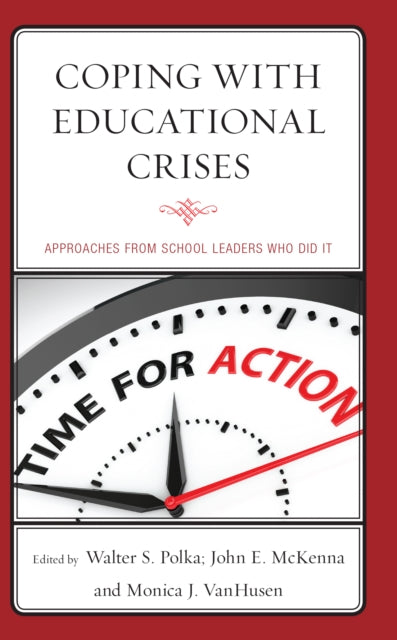
Walter S., Professor of Professional Programs, Niagara University, NY Polka,John E. McKenna,Monica J. VanHusen
Coping with Educational Crises: Approaches from School Leaders Who Did It
Coping with Educational Crises: Approaches from School Leaders Who Did It
💎 Earn 243 Points (£2.43) on this item.
We can order this item for you. Delivery usually takes about 4 to 6 weeks.
This item is not held in our immediate stock. We will order it for you after checkout.
Estimated delivery: About 4 to 6 weeks
YOU SAVE £6.32
- Condition: Brand new
- UK Delivery times: Usually arrives within 2 - 3 working days
- UK Shipping: Fee starts at £3.89. Subject to product weight & dimension
Bulk ordering. Want 15 or more copies? Get a personalised quote and bigger discounts. Learn more about bulk orders.
Couldn't load pickup availability
- More about Coping with Educational Crises: Approaches from School Leaders Who Did It
Coping with Educational Crises: Approaches from School Leaders Who Did It offers perspectives and research-based strategies for school district administrators to confront unexpected major crises, such as the COVID-19 pandemic, and provides recommendations for current and future leaders. It also highlights the collateral opportunities associated with crises, such as reforms to the pre-crisis traditional educational system.
Format: Hardback
Length: 194 pages
Publication date: 12 April 2023
Publisher: Bloomsbury Publishing Plc
Coping with Educational Crises: Approaches from School Leaders Who Did It offers valuable perspectives and research-based strategies for school district administrators to confront unexpected major crises in school operations, such as the COVID-19 global pandemic. The book comprises eight chapters written by practicing administrators, leadership researchers, and experienced educators who present their analyses and insights about managing the people, things, and ideas of educational organizations during crisis situations. They articulate various approaches that they and other educational leaders employed to abate the deleterious impact of crises on their respective organizations. Additionally, the editors and contributing authors offer sage advice to educational policymakers, school administrators, parents, and community leaders to recognize the collateral opportunities associated with any crisis, including reforms to the pre-crisis traditional educational system.
The book begins with an introduction that provides an overview of the challenges faced by school leaders during crises and the importance of effective leadership in addressing them. The first chapter, "Leadership in Crisis: A Framework for Understanding," explores the concept of crisis leadership and identifies the key characteristics and skills that effective crisis leaders possess. The chapter highlights the importance of developing a crisis management plan, communicating effectively with stakeholders, and making timely and informed decisions.
The second chapter, "Managing the People in Crisis: A Human Resources Perspective," focuses on the impact of crises on the workforce and the need for effective human resources management. The chapter discusses strategies for managing employee stress, maintaining employee morale, and ensuring the safety and well-being of employees during a crisis. It also highlights the importance of providing support to employees who may be affected by the crisis.
The third chapter, "Managing the Things in Crisis: A Facilities Perspective," explores the impact of crises on the physical infrastructure of schools. The chapter discusses strategies for managing school facilities during a crisis, such as evacuating students and staff, securing buildings, and providing emergency services. It also highlights the importance of maintaining communication with stakeholders during a crisis.
The fourth chapter, "Managing the Ideas in Crisis: A Curriculum Perspective," focuses on the impact of crises on the curriculum and the need for effective curriculum management. The chapter discusses strategies for managing curriculum changes during a crisis, such as developing new curriculum materials, adapting existing curriculum materials, and providing support to teachers. It also highlights the importance of maintaining a positive learning environment during a crisis.
The fifth chapter, "Managing the Communication in Crisis: A Communication Perspective," explores the impact of crises on communication and the need for effective communication management. The chapter discusses strategies for managing communication during a crisis, such as developing a crisis communication plan, communicating with stakeholders, and providing timely and accurate information. It also highlights the importance of maintaining transparency and accountability during a crisis.
The sixth chapter, "Managing the Financial Resources in Crisis: A Financial Perspective," focuses on the impact of crises on the financial resources of schools. The chapter discusses strategies for managing financial resources during a crisis, such as reducing expenses, seeking financial assistance, and managing cash flow. It also highlights the importance of maintaining transparency and accountability during a crisis.
The seventh chapter, "Managing the Legal and Ethical Issues in Crisis: A Legal Perspective," explores the impact of crises on legal and ethical issues and the need for effective legal and ethical management. The chapter discusses strategies for managing legal and ethical issues during a crisis, such as developing a crisis management plan, communicating with stakeholders, and providing legal and ethical advice. It also highlights the importance of maintaining transparency and accountability during a crisis.
The eighth chapter, "Lessons Learned from Crisis: A Case Study," presents a case study of a school district that faced a major crisis during the COVID-19 pandemic. The chapter discusses the strategies that the school district employed to address the crisis, including developing a crisis management plan, communicating with stakeholders, and providing support to employees and students. It also highlights the lessons learned from the crisis and the importance of continuous improvement.
In addition to the chapters, Coping with Educational Crises includes a number of appendices that provide additional resources and information for school leaders. These appendices include a list of crisis management resources, a list of legal and ethical resources, and a list of case studies of other school districts that have faced crises.
Overall, Coping with Educational Crises is a valuable resource for school district administrators who are facing unexpected major crises in school operations. The book provides perspectives and research-based strategies for managing the people, things, and ideas of educational organizations during crisis situations, and it offers recommendations to current and future school leaders who may face similar crises during their careers. Additionally, the editors and contributing authors offer sage advice to educational policymakers, school administrators, parents, and community leaders to recognize the collateral opportunities associated with any crisis, including reforms to the pre-crisis traditional educational system.
Coping with Educational Crises: Approaches from School Leaders Who Did It provides valuable perspectives and research-based strategies for school district administrators to confront unexpected major crises in school operations, such as the COVID-19 global pandemic. The book comprises eight chapters written by practicing administrators, leadership researchers, and experienced educators who present their analyses and insights about managing the people, things, and ideas of educational organizations during crisis situations. They articulate various approaches that they and other educational leaders employed to abate the deleterious impact of crises on their respective organizations. Additionally, the editors and contributing authors offer sage advice to educational policymakers, school administrators, parents, and community leaders to recognize the collateral opportunities associated with any crisis, including reforms to the pre-crisis traditional educational system.
The book begins with an introduction that provides an overview of the challenges faced by school leaders during crises and the importance of effective leadership in addressing them. The first chapter, "Leadership in Crisis: A Framework for Understanding," explores the concept of crisis leadership and identifies the key characteristics and skills that effective crisis leaders possess. The chapter highlights the importance of developing a crisis management plan, communicating effectively with stakeholders, and making timely and informed decisions.
The second chapter, "Managing the People in Crisis: A Human Resources Perspective," focuses on the impact of crises on the workforce and the need for effective human resources management. The chapter discusses strategies for managing employee stress, maintaining employee morale, and ensuring the safety and well-being of employees during a crisis. It also highlights the importance of providing support to employees who may be affected by the crisis.
The third chapter, "Managing the Things in Crisis: A Facilities Perspective," explores the impact of crises on the physical infrastructure of schools. The chapter discusses strategies for managing school facilities during a crisis, such as evacuating students and staff, securing buildings, and providing emergency services. It also highlights the importance of maintaining communication with stakeholders during a crisis.
The fourth chapter, "Managing the Ideas in Crisis: A Curriculum Perspective," focuses on the impact of crises on the curriculum and the need for effective curriculum management. The chapter discusses strategies for managing curriculum changes during a crisis, such as developing new curriculum materials, adapting existing curriculum materials, and providing support to teachers. It also highlights the importance of maintaining a positive learning environment during a crisis.
The fifth chapter, "Managing the Communication in Crisis: A Communication Perspective," explores the impact of crises on communication and the need for effective communication management. The chapter discusses strategies for managing communication during a crisis, such as developing a crisis communication plan, communicating with stakeholders, and providing timely and accurate information. It also highlights the importance of maintaining transparency and accountability during a crisis.
The sixth chapter, "Managing the Financial Resources in Crisis: A Financial Perspective," focuses on the impact of crises on the financial resources of schools. The chapter discusses strategies for managing financial resources during a crisis, such as reducing expenses, seeking financial assistance, and managing cash flow. It also highlights the importance of maintaining transparency and accountability during a crisis.
The seventh chapter, "Managing the Legal and Ethical Issues in Crisis: A Legal Perspective," explores the impact of crises on legal and ethical issues and the need for effective legal and ethical management. The chapter discusses strategies for managing legal and ethical issues during a crisis, such as developing a crisis management plan, communicating with stakeholders, and providing legal and ethical advice. It also highlights the importance of maintaining transparency and accountability during a crisis.
The eighth chapter, "Lessons Learned from Crisis: A Case Study," presents a case study of a school district that faced a major crisis during the COVID-19 pandemic. The chapter discusses the strategies that the school district employed to address the crisis, including developing a crisis management plan, communicating with stakeholders, and providing support to employees and students. It also highlights the lessons learned from the crisis and the importance of continuous improvement.
In addition to the chapters, Coping with Educational Crises includes a number of appendices that provide additional resources and information for school leaders. These appendices include a list of crisis management resources, a list of legal and ethical resources, and a list of case studies of other school districts that have faced crises.
Overall, Coping with Educational Crises is a valuable resource for school district administrators who are facing unexpected major crises in school operations. The book provides perspectives and research-based strategies for managing the people, things, and ideas of educational organizations during crisis situations, and it offers recommendations to current and future school leaders who may face similar crises during their careers. Additionally, the editors and contributing authors offer sage advice to educational policymakers, school administrators, parents, and community leaders to recognize the collateral opportunities associated with any crisis, including reforms to the pre-crisis traditional educational system.
Weight: 454g
Dimension: 237 x 161 x 23 (mm)
ISBN-13: 9781475865943
UK and International shipping information
UK and International shipping information
We deliver throughout the United Kingdom and to 128 countries and territories worldwide, including the United States, Australia, Canada, Germany, Spain and France.