Shulph Ink
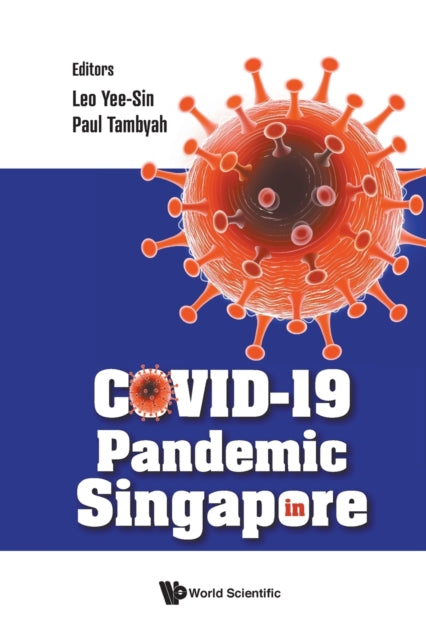
Covid-19 Pandemic In Singapore
Covid-19 Pandemic In Singapore
💎 Earn 144 Points (£1.44) on this item.
YOU SAVE £6.09
- Condition: Brand new
- UK Delivery times: Usually arrives within 2 - 3 working days
- UK Shipping: Fee starts at £2.39. Subject to product weight & dimension
Bulk ordering. Want 15 or more copies? Get a personalised quote and bigger discounts. Learn more about bulk orders.
Couldn't load pickup availability
- More about Covid-19 Pandemic In Singapore
The National Centre for Infectious Diseases (NCID) opened in 2019, just months before the COVID-19 pandemic. This book is the result of many people from NCID, Singapore, and the world working to understand and contain the virus. It includes chapters on science, public health response, and personal reflections from NCID and Tan Tock Seng Hospital staff. The lessons learned from the early days of the pandemic are still relevant, and the chapters will be helpful as we review our experience and face the next emerging infectious disease.
Format: Paperback / softback
Length: 264 pages
Publication date: 05 June 2022
Publisher: World Scientific Publishing Co Pte Ltd
Introduction
The National Centre for Infectious Diseases (NCID) is a remarkable achievement that has emerged from years of meticulous planning and dedication. Officially opening its doors in September 2019, just months before the global COVID-19 pandemic would test the world, NCID represents a collective effort of countless individuals from NCID, Singapore, and around the globe. This book is the culmination of the tireless work of these individuals, as well as a broader community of experts from NCID, Singapore, and beyond, who have united in their mission to understand and contain the SARS-CoV-2 virus.
The book is organized into several chapters, each exploring different aspects of the response to the pandemic. The first chapter delves into the scientific aspects of the virus, providing an in-depth understanding of its biology, transmission, and potential treatments. This chapter is followed by a chapter that examines the public health response, both locally and globally, highlighting the challenges and successes encountered in combating the virus. Personal reflections from NCID and Tan Tock Seng Hospital staff, as well as staff from other public healthcare institutions who were deployed to NCID, bring home the human impact of the pandemic, emphasizing the sacrifices and resilience of those on the front lines.
We are deeply grateful to all the authors who have contributed their thoughtful chapters to this book. Their dedication and expertise have greatly enriched the content, and we are particularly thankful for the valuable comments and insights provided by senior academics and public health leaders who have reviewed the manuscript. We hope that the readers of this book will gain a deeper understanding of the response to the virus from so many different perspectives. While the pandemic has evolved significantly since the early days depicted in this book, the lessons learned remain relevant and valuable as we navigate the challenges of the future. We believe that the chapters will be helpful as we reflect on our experience during this pandemic and prepare for emerging infectious diseases in the years to come.
The second chapter of the book focuses on the clinical aspects of response, providing an overview of the medical interventions and care provided to patients infected with SARS-CoV-2. This chapter includes detailed accounts of the challenges faced by healthcare professionals, such as resource limitations, staffing shortages, and the emotional toll of caring for patients with a highly infectious disease. The third chapter explores the laboratory.
The third chapter explores the laboratory aspects of response, highlighting the critical role
role of laboratory testing in diagnosing and tracking the spread of the virus. This chapter discusses the development and implementation of testing protocols, the challenges faced in maintaining laboratory.
The fourth chapter delves into the epidemiology of response, providing an understanding of the patterns and trends of infection and transmission of the virus. This chapter examines the factors that contribute to the spread of the virus, such as social distancing, mask-wearing, and hand hygiene, and explores the impact of these measures on reducing the transmission of the virus.
The fifth chapter explores the research aspects of response, highlighting the ongoing efforts to develop vaccines and treatments for SARS-CoV-2. This chapter discusses the challenges and successes in vaccine development, as well as the potential impact of these vaccines on ending the pandemic.
The sixth chapter explores the community engagement aspects of response, emphasizing the importance of engaging with communities to promote awareness and understanding of the virus. This chapter discusses the strategies used to communicate with communities, such as social media campaigns, community outreach programs, and educational initiatives.
The seventh chapter focuses on the unprecedented challenge of outbreak involving migrant workers in dormitory settings. This chapter discusses the challenges faced by these workers, such as limited access to healthcare, language barriers, and social isolation, and explores the strategies used to protect them from infection and transmission of the virus.
The eighth chapter explores the long-term impact of the pandemic on healthcare systems and societies. This chapter examines the changes in healthcare delivery, the challenges faced by healthcare professionals, and the opportunities for innovation and improvement in the years to come.
The ninth chapter explores the role of technology in response to the pandemic. This chapter discusses the use of technology to track and trace infections, to communicate with patients, and to develop new treatments and vaccines.
The tenth chapter explores the ethical considerations of response to the pandemic. This chapter discusses the challenges faced by healthcare professionals.
The eleventh chapter explores the global impact of the pandemic. This chapter discusses the challenges faced by different countries and regions in combating the virus, and the strategies used to respond to these challenges.
The twelfth chapter explores the lessons learned from the pandemic. This chapter discusses the key takeaways from the response to the pandemic, and the opportunities for future preparedness and response.
The thirteenth chapter explores the role of public health in response to the pandemic. This chapter discusses the importance of public health in preventing and controlling infectious diseases, and the challenges faced by public health professionals in responding to pandemics.
The fourteenth chapter explores the role of international cooperation in response to the pandemic. This chapter discusses the challenges faced by different countries in coordinating their responses to the pandemic, and the strategies used to overcome these challenges.
The fifteenth chapter explores the impact of the pandemic on mental health. This chapter discusses the psychological and emotional toll of the pandemic on individuals and communities, and the strategies used to support mental health during the pandemic.
The sixteenth chapter explores the role of education in response to the pandemic. This chapter discusses the challenges faced by educators
The sixteenth chapter explores the role of education in response to the pandemic. This chapter discusses the challenges faced by students and educators during the pandemic, and the strategies used to support learning and teaching during the pandemic.
The seventeenth chapter explores the impact of the pandemic on the economy. This chapter discusses the economic impact of the pandemic on individuals and communities, and the strategies used to support economic recovery during the pandemic.
The eighteenth chapter explores the role of government in response to the pandemic. This chapter discusses the challenges faced by governments in coordinating their responses to the pandemic, and the strategies used to support their responses.
The nineteenth chapter explores the impact of the pandemic on social justice. This chapter discusses the disproportionate impact of the pandemic on marginalized communities, and the strategies used to address these disparities.
The twentieth chapter explores the role of the media in response to the pandemic. This chapter discusses the challenges faced by the media in reporting on the pandemic, and the strategies used to promote accurate and responsible reporting.
The twenty-first chapter explores the impact of the pandemic on healthcare workers. This chapter discusses the emotional and physical toll of the pandemic on healthcare workers, and the strategies used to support their well-being.
The twenty-second chapter explores the impact of the pandemic on vulnerable populations. This chapter discusses the disproportionate impact of the pandemic on vulnerable populations, and the strategies used to address these disparities.
The twenty-third chapter explores the role of innovation in response to the pandemic. This chapter discusses the challenges faced by healthcare professionals in developing new treatments and vaccines, and the strategies used to accelerate innovation.
The twenty-fourth chapter explores the impact of the pandemic on public health policy. This chapter discusses the challenges faced by public health policymakers in developing and implementing policies to address the pandemic, and the strategies used to promote public health policy.
The twenty-fifth chapter explores the impact of the pandemic on global health. This chapter discusses the challenges faced by global health organizations in coordinating their responses to the pandemic, and the strategies used to promote global health.
The twenty-sixth chapter explores the role of the private sector in response to the pandemic. This chapter discusses the challenges faced by the private sector in supporting the response to the pandemic, and the strategies used to promote private sector engagement.
The twenty-seventh chapter explores the impact of the pandemic on the environment. This chapter discusses the environmental impact of the pandemic on individuals and communities, and the strategies used to promote environmental sustainability during the pandemic.
The twenty-eighth chapter explores the role of the arts in response to the pandemic. This chapter discusses the challenges faced by artists and performers during the pandemic, and the strategies used to support the arts during the pandemic.
The twenty-ninth chapter explores the impact of the pandemic on social cohesion. This chapter discusses the challenges faced by individuals and communities in maintaining social connections during the pandemic, and the strategies used to promote social cohesion during the pandemic.
The thirty-first chapter explores the impact of the pandemic on health equity. This chapter discusses the disproportionate impact of the pandemic on marginalized communities, and the strategies used to address these disparities.
The National Centre for Infectious Diseases (NCID) is a remarkable achievement that has emerged from years of meticulous planning and dedication. Officially opening its doors in September 2019, just months before the global COVID-19 pandemic would test the world, NCID represents a collective effort of countless individuals from NCID, Singapore, and around the globe. This book is the culmination of the tireless work of these individuals, as well as a broader community of experts from NCID, Singapore, and beyond, who have united in their mission to understand and contain the SARS-CoV-2 virus.
The book is organized into several chapters, each exploring different aspects of the response to the pandemic. The first chapter delves into the scientific aspects of the virus, providing an in-depth understanding of its biology, transmission, and potential treatments. This chapter is followed by a chapter that examines the public health response, both locally and globally, highlighting the challenges and successes encountered in combating the virus. Personal reflections from NCID and Tan Tock Seng Hospital staff, as well as staff from other public healthcare institutions who were deployed to NCID, bring home the human impact of the pandemic, emphasizing the sacrifices and resilience of those on the front lines.
We are deeply grateful to all the authors who have contributed their thoughtful chapters to this book. Their dedication and expertise have greatly enriched the content, and we are particularly thankful for the valuable comments and insights provided by senior academics and public health leaders who have reviewed the manuscript. We hope that the readers of this book will gain a deeper understanding of the response to the virus from so many different perspectives. While the pandemic has evolved significantly since the early days depicted in this book, the lessons learned remain relevant and valuable as we navigate the challenges of the future. We believe that the chapters will be helpful as we reflect on our experience during this pandemic and prepare for emerging infectious diseases in the years to come.
The second chapter of the book focuses on the clinical aspects of response, providing an overview of the medical interventions and care provided to patients infected with SARS-CoV-2. This chapter includes detailed accounts of the challenges faced by healthcare professionals, such as resource limitations, staffing shortages, and the emotional toll of caring for patients with a highly infectious disease. The third chapter explores the laboratory aspects of response, highlighting the critical role of laboratory testing in diagnosing and tracking the spread of the virus. This chapter discusses the development and implementation of testing, the challenges faced in maintaining.
The fourth chapter delves into the epidemiology of response, providing an understanding of the patterns and transmission of the virus. This chapter examines the factors that contribute to the spread of the virus, such as social distancing, mask-wearing, and hand hygiene, and explores the impact of these measures on reducing the transmission of the virus.
The fifth chapter explores the research aspects of response, highlighting the ongoing efforts to develop vaccines and treatments for SARS-CoV-2. This chapter discusses the challenges and successes in vaccine development, as well as the potential impact of these vaccines on ending the pandemic.
The sixth chapter explores the community engagement aspects of response, emphasizing the importance of engaging with communities to promote awareness and understanding of the virus. This chapter discusses the strategies used to communicate with communities, such as social media campaigns, community outreach programs, and educational initiatives.
The seventh chapter focuses on the unprecedented challenge of outbreak involving migrant workers in dormitory settings. This chapter discusses the challenges faced by these workers, such as limited access to healthcare, language barriers, and social isolation, and explores the strategies used to protect them from infection and transmission of the virus.
The eighth chapter explores the long-term impact of the pandemic on healthcare systems and the opportunities for innovation and improvement in the years to come. This chapter examines the changes in healthcare delivery, the challenges faced by healthcare professionals, and the opportunities for innovation and improvement in the years to come.
The ninth chapter explores the role of technology in response to the pandemic. This chapter discusses the use of technology to track and trace infections, to communicate with patients, and to develop new treatments and vaccines.
The tenth chapter explores the ethical considerations of response to the pandemic. This chapter discusses the challenges faced by healthcare professionals.
The eleventh chapter explores the global impact of the pandemic. This chapter discusses the challenges faced by different countries and regions in combating the virus, and the strategies used to respond to these challenges.
The twelfth chapter explores the lessons learned from the pandemic. This chapter discusses the key takeaways from the response to the pandemic, and the opportunities for future preparedness and response.
The thirteenth chapter explores the role of public health in response to the pandemic. This chapter discusses the importance of public health in preventing and controlling infectious diseases, and the challenges faced by public health professionals in responding to pandemics.
The fourteenth chapter explores the role of international cooperation in response to the pandemic. This chapter discusses the challenges faced by different countries in coordinating their responses to the pandemic, and the strategies used to overcome these challenges.
The fifteenth chapter explores the impact of the pandemic on mental health. This chapter discusses the psychological and emotional toll of the pandemic on individuals and communities, and the strategies used to support mental health during the pandemic.
The sixteenth chapter explores the role of education in response to the pandemic. This chapter discusses the challenges faced by students and educators during the pandemic, and the strategies used to support learning and teaching during the pandemic.
The seventeenth chapter explores the impact of the pandemic on the economy. This chapter discusses the economic impact of the pandemic on individuals and communities, and the strategies used to support economic recovery during the pandemic.
The eighteenth chapter explores the role of government in response to the pandemic. This chapter discusses the challenges faced by governments in coordinating their responses to the pandemic, and the strategies used to support their responses.
The nineteenth chapter explores the impact of the pandemic on social justice. This chapter discusses the disproportionate impact of the pandemic on marginalized communities, and the strategies used to address these disparities.
The twentieth chapter explores the role of the media in response to the pandemic. This chapter discusses the challenges faced by the media in reporting on the pandemic, and the strategies used to promote accurate and responsible reporting.
The twenty-first chapter explores the impact of the pandemic on healthcare workers. This chapter discusses the emotional and physical toll of the pandemic on healthcare workers, and the strategies used to support their well-being.
The twenty-second chapter explores the impact of the pandemic on vulnerable populations. This chapter discusses the disproportionate impact of the pandemic on vulnerable populations, and the strategies used to address these disparities.
The twenty-third chapter explores the role of innovation in response to the pandemic. This chapter discusses the challenges faced by healthcare professionals in developing new treatments and vaccines, and the strategies used to accelerate innovation.
The twenty-fourth chapter explores the impact of the pandemic on public health policy. This chapter discusses the challenges faced by public health policymakers in developing and implementing policies to address the pandemic, and the strategies used to promote public health policy.
The twenty-fifth chapter explores the impact of the pandemic on global health. This chapter discusses the challenges faced by global health organizations in coordinating their responses to the pandemic, and the strategies used to promote global health.
The twenty-sixth chapter explores the role of the private sector in response to the pandemic. This chapter discusses the challenges faced by the private sector in supporting the response to the pandemic, and the strategies used to promote private sector engagement.
The twenty-seventh chapter explores the impact of the pandemic on the environment. This chapter discusses the environmental impact of the pandemic on individuals and communities, and the strategies used to promote environmental sustainability during the pandemic.
The twenty-eighth chapter explores the role of the arts in response to the pandemic. This chapter discusses the challenges faced by artists and performers during the pandemic, and the strategies used to support the arts during the pandemic.
The twenty-ninth chapter explores the impact of the pandemic on social cohesion. This chapter discusses the challenges faced by individuals and communities in maintaining social connections during the pandemic, and the strategies used to promote social cohesion during the pandemic.
The thirty-first chapter explores the impact of the pandemic on health equity. This chapter discusses the disproportionate impact of the pandemic on marginalized communities, and the strategies used to address these disparities.
ISBN-13: 9789811239823
This item can be found in:
UK and International shipping information
UK and International shipping information
UK Delivery and returns information:
- Delivery within 2 - 3 days when ordering in the UK.
- Shipping fee for UK customers from £2.39. Fully tracked shipping service available.
- Returns policy: Return within 30 days of receipt for full refund.
International deliveries:
Shulph Ink now ships to Australia, Belgium, Canada, France, Germany, Ireland, Italy, India, Luxembourg Saudi Arabia, Singapore, Spain, Netherlands, New Zealand, United Arab Emirates, United States of America.
- Delivery times: within 5 - 10 days for international orders.
- Shipping fee: charges vary for overseas orders. Only tracked services are available for most international orders. Some countries have untracked shipping options.
- Customs charges: If ordering to addresses outside the United Kingdom, you may or may not incur additional customs and duties fees during local delivery.