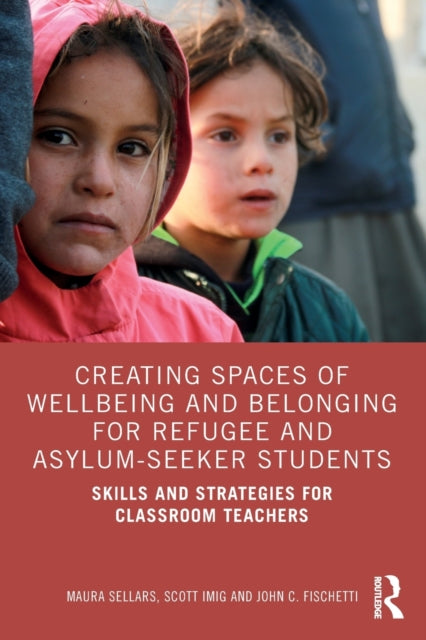
Maura Sellars,Scott Imig,John C. Fischetti
Creating Spaces of Wellbeing and Belonging for Refugee and Asylum-Seeker Students: Skills and Strategies for Classroom Teachers
Creating Spaces of Wellbeing and Belonging for Refugee and Asylum-Seeker Students: Skills and Strategies for Classroom Teachers
💎 Earn 151 Points (£1.51) on this item.
YOU SAVE £1.79
- Condition: Brand new
- UK Delivery times: Usually arrives within 2 - 3 working days
- UK Shipping: Fee starts at £2.39. Subject to product weight & dimension
Bulk ordering. Want 15 or more copies? Get a personalised quote and bigger discounts. Learn more about bulk orders.
Couldn't load pickup availability
- More about Creating Spaces of Wellbeing and Belonging for Refugee and Asylum-Seeker Students: Skills and Strategies for Classroom Teachers
Educators can support positive educational and social outcomes for refugee and asylum-seeker students by implementing evidence-based practices that meet their emotional and cognitive needs, such as culturally responsive teaching and trauma-informed care.
Format: Paperback / softback
Length: 150 pages
Publication date: 30 November 2022
Publisher: Taylor & Francis Ltd
Strategies for Educators to Support Positive Educational and Social Outcomes for Refugee and Asylum-Seeker Students
Refugee and asylum-seeker students face unique challenges in their educational journey, including displacement, trauma, and loss. Educators play a crucial role in supporting these students' positive educational and social outcomes. In this article, we will outline strategies for educators to effectively support the emotional and cognitive needs of multilingual, multicultural students.
Theory and Practice in Supporting the Emotional and Cognitive Needs of Multilingual, Multicultural Students
The theory of culturally responsive teaching provides a framework for educators to understand the cultural backgrounds of their students and tailor their teaching strategies accordingly. This approach recognizes the importance of language, culture, and identity in shaping students' learning experiences. By incorporating cultural references and perspectives into their teaching, educators can create a sense of belonging and promote positive social interactions among students.
In practice, educators can support the emotional and cognitive needs of multilingual, multicultural students by:
Fostering a Safe and Supportive Learning Environment: Creating a safe and supportive learning environment is essential for refugee and asylum-seeker students. Educators can establish clear expectations, provide a sense of belonging, and address any concerns or fears students may have.
Implementing Multilingual and Multicultural Education: Multilingual and multicultural education is key to meeting the diverse needs of multilingual, multicultural students. Educators can provide language support, incorporate cultural references, and offer opportunities for students to share their experiences and perspectives.
Building Positive Relationships: Building positive relationships with students is crucial for supporting their emotional and cognitive needs. Educators can show empathy, respect, and understanding and create a safe space for students to express themselves.
Using Active Learning Strategies: Active learning strategies, such as group work, problem-solving, and inquiry-based learning, can engage students and promote their cognitive development. Educators can use these strategies to promote collaboration, critical thinking, and problem-solving skills.
Providing Individualized Support: Providing individualized support is essential for meeting the unique needs of refugee and asylum-seeker students. Educators can work with students individually to identify their strengths and weaknesses and develop personalized learning plans.
Collaborating with Community Resources: Collaborating with community resources, such as social workers, psychologists, and advocacy groups, can provide additional support and resources for refugee and asylum-seeker students. Educators can partner with these organizations to provide counseling, mental health support, and other services.
Insights from Educators Doing This Work Successfully in Five Different Countries
Educators from five different countries have successfully implemented strategies to support the emotional and cognitive needs of multilingual, multicultural students. Here are some insights from their experiences:
In the United States, educators have developed culturally responsive teaching practices that incorporate cultural references and perspectives into their teaching. They have also established partnerships with community organizations to provide additional support and resources for students.
In Canada, educators have implemented bilingual education programs that provide language support and opportunities for students to learn both their native language and English. They have also developed culturally sensitive teaching practices that promote inclusivity and respect for diverse cultures.
In Australia, educators have implemented trauma-informed teaching practices that recognize the impact of trauma on students' learning and emotional well-being. They have also developed partnerships with mental health professionals to provide additional support and resources for students.
In the United Kingdom, educators have developed inclusive teaching practices that promote diversity and inclusion. They have also established partnerships with refugee and asylum-seeker organizations to provide additional support and resources for students.
In Germany, educators have implemented intercultural education programs that promote understanding and respect for different cultures. They have also developed partnerships with community organizations to provide additional support and resources for students.
Conclusion
Refugee and asylum-seeker students face unique challenges in their educational journey, but educators can play a crucial role in supporting their positive educational and social outcomes. By implementing culturally responsive teaching practices, fostering a safe and supportive learning environment, implementing multilingual and multicultural education, building positive relationships, using active learning strategies, providing individualized support, and collaborating with community resources, educators can help these students thrive academically and emotionally.
In conclusion, educators play a vital role in supporting the positive educational and social outcomes of refugee and asylum-seeker students. By implementing culturally responsive teaching practices, fostering a safe and supportive learning environment, implementing multilingual and multicultural education, building positive relationships, using active learning strategies, providing individualized support, and collaborating with community resources, educators can help these students thrive academically and emotionally. By recognizing the unique challenges these students face and taking proactive steps to support their needs, educators can create a more inclusive and equitable learning environment for all students.
Weight: 190g
Dimension: 155 x 234 x 15 (mm)
ISBN-13: 9781032076089
UK and International shipping information
UK and International shipping information
UK Delivery and returns information:
- Delivery within 2 - 3 days when ordering in the UK.
- Shipping fee for UK customers from £2.39. Fully tracked shipping service available.
- Returns policy: Return within 30 days of receipt for full refund.
International deliveries:
Shulph Ink now ships to Australia, Belgium, Canada, France, Germany, Ireland, Italy, India, Luxembourg Saudi Arabia, Singapore, Spain, Netherlands, New Zealand, United Arab Emirates, United States of America.
- Delivery times: within 5 - 10 days for international orders.
- Shipping fee: charges vary for overseas orders. Only tracked services are available for most international orders. Some countries have untracked shipping options.
- Customs charges: If ordering to addresses outside the United Kingdom, you may or may not incur additional customs and duties fees during local delivery.