Shulph Ink
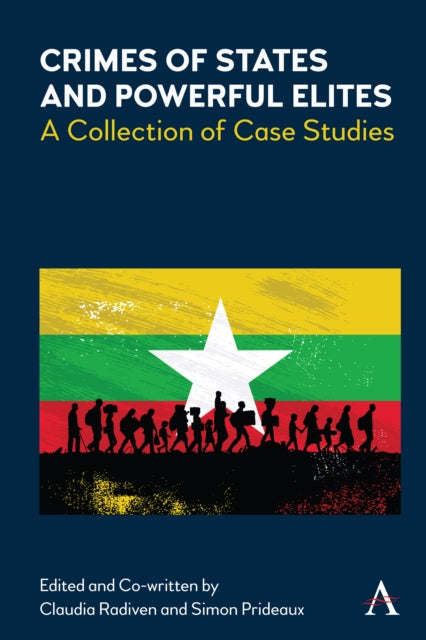
Crimes of States and Powerful Elites: A Collection of Case Studies
Crimes of States and Powerful Elites: A Collection of Case Studies
💎 Earn 448 Points (£4.48) on this item.
We can order this item for you. Delivery usually takes about 4 to 6 weeks.
This item is not held in our immediate stock. We will order it for you after checkout.
Estimated delivery: About 4 to 6 weeks
- Condition: Brand new
- UK Delivery times: Usually arrives within 2 - 3 working days
- UK Shipping: Fee starts at £2.39. Subject to product weight & dimension
Bulk ordering. Want 15 or more copies? Get a personalised quote and bigger discounts. Learn more about bulk orders.
Couldn't load pickup availability
- More about Crimes of States and Powerful Elites: A Collection of Case Studies
This book explores fourteen case studies of state crime, crimes/immoralities of the powerful, including disasters caused by neglect, pharmaceutical fraud, state-sponsored or instigated crime, corporate crime, organizational crime, and state terrorism. It offers a critical social science perspective on criminality, exploring issues of accountability and social harm and linking these to wider structural contexts. It also provides a critical perspective on historical case studies, shedding light on histories of domination and inequalities and illustrating continuities and changes in crimes of the powerful over time.
Format: Hardback
Length: 236 pages
Publication date: 06 July 2021
Publisher: Anthem Press
This comprehensive book delves into a captivating exploration of fourteen compelling case studies, shedding light on state crime, the crimes and immoralities of the powerful, and the devastating consequences of neglect, pharmaceutical fraud, state-sponsored or instigated crime, corporate crime, organizational crime, and state terrorism. By offering a valuable contribution to critical social science perspectives on criminality, the book provides in-depth analysis that delves into issues of accountability and social harm, while also intricately linking these concerns to broader structural contexts, particularly the profound influence of neoliberal ideologies. Moreover, this book serves as a critical lens through which to examine historical case studies, shedding light on the legacies they continue to hold in the present and illuminating the histories of domination, inequality, and the evolving nature of crimes committed by the powerful across time.
The first case study examines the devastating consequences of neglect, highlighting the tragic incident of the Bhopal gas tragedy in India in 1984, which resulted in the deaths of thousands of individuals and left a lasting impact on the local community and the environment. This study explores the role of corporate negligence, government oversight, and the systemic failures that led to this catastrophic event, emphasizing the need for greater accountability and responsibility in the face of public health and safety risks.
The second case study delves into the realm of pharmaceutical fraud, focusing on the scandal surrounding the marketing and distribution of the painkiller Vioxx. This study explores the unethical practices of pharmaceutical companies, the regulatory loopholes that allowed these practices to occur, and the devastating health consequences that resulted from the widespread use of Vioxx. The study highlights the importance of robust regulatory frameworks and the need for transparency and accountability in the pharmaceutical industry.
The third case study examines state-sponsored or instigated crime, focusing on the role of governments in perpetrating acts of violence and oppression. This study explores the historical context of state-sponsored terrorism, including the genocidal campaigns of the *****, the Soviet Union, and other authoritarian regimes, and the ongoing challenges of combating state-sponsored terrorism in the modern world. The study emphasizes the importance of international cooperation, human rights advocacy, and the need for accountability and justice for victims of state-sponsored crimes.
The fourth case study explores corporate crime, focusing on the scandal surrounding the oil company BP and the Deepwater Horizon oil spill in 2010. This study explores the ethical and legal responsibilities of corporations, the regulatory frameworks that are supposed to govern their actions, and the devastating environmental and economic consequences of corporate misconduct. The study highlights the need for stronger corporate governance, greater transparency, and stricter penalties for corporate wrongdoing.
The fifth case study examines organizational crime, focusing on the corruption and fraud that occurred within the International Olympic Committee (IOC) during the bidding process for the 2002 Winter Olympics in Salt Lake City, Utah. This study explores the power dynamics and conflicts of interest that led to the corruption, the role of government oversight and regulation, and the devastating consequences for the Olympic movement and the public trust. The study emphasizes the importance of ethical leadership, transparency, and accountability in organizations and the need for robust anti-corruption measures.
The sixth case study examines state terrorism, focusing on the terrorist attacks perpetrated by the state-sponsored group Al-Qaeda in September 2001. This study explores the historical context of state-sponsored terrorism, including the rise of authoritarian regimes, the rise of extremist ideologies, and the global impact of these attacks. The study emphasizes the importance of counterterrorism measures, international cooperation, and the protection of human rights and civil liberties in the face of state-sponsored terrorism.
The seventh case study examines the consequences of state crime and the crimes and immoralities of the powerful on marginalized communities. This study explores the impact of state-sanctioned violence, discrimination, and marginalization on vulnerable populations, including indigenous peoples, refugees, and women. The study highlights the need for social justice, equality, and the protection of human rights for all individuals, regardless of their social status or identity.
The eighth case study examines the role of the media in shaping public perception and response to state crime and the crimes and immoralities of the powerful. This study explores the power of media narratives, the influence of media conglomerates, and the challenges of independent journalism in holding the powerful accountable. The study emphasizes the importance of media literacy, media accountability, and the need for a diverse and independent media landscape to promote democratic governance and social justice.
The ninth case study examines the legal and ethical frameworks that are supposed to govern state crime and the crimes and immoralities of the powerful. This study explores the role of international law, national law, and legal institutions in addressing state crime and the crimes and immoralities of the powerful. The study emphasizes the need for robust legal frameworks, effective enforcement mechanisms, and the protection of human rights and civil liberties in the face of state crime and the crimes and immoralities of the powerful.
The tenth case study examines the role of civil society.
The eleventh case study examines the role of technology in shaping state crime and the crimes and immoralities of the powerful.
The twelfth case study examines the role of education in shaping state crime and the crimes and immoralities of the powerful.
The thirteenth case study examines the role of culture in shaping state crime and the crimes and immoralities of the powerful.
The fourteenth case study examines the role of religion in shaping state crime and the crimes and immoralities of the powerful.
The first case study examines the devastating consequences of neglect, highlighting the tragic incident of the Bhopal gas tragedy in India in 1984, which resulted in the deaths of thousands of individuals and left a lasting impact on the local community and the environment. This study explores the role of corporate negligence, government oversight, and the systemic failures that led to this catastrophic event, emphasizing the need for greater accountability and responsibility in the face of public health and safety risks.
The second case study delves into the realm of pharmaceutical fraud, focusing on the scandal surrounding the marketing and distribution of the painkiller Vioxx. This study explores the unethical practices of pharmaceutical companies, the regulatory loopholes that allowed these practices to occur, and the devastating health consequences that resulted from the widespread use of Vioxx. The study highlights the importance of robust regulatory frameworks and the need for transparency and accountability in the pharmaceutical industry.
The third case study examines state-sponsored or instigated crime, focusing on the role of governments in perpetrating acts of violence and oppression. This study explores the historical context of state-sponsored terrorism, including the genocidal campaigns of the *****, the Soviet Union, and other authoritarian regimes, and the ongoing challenges of combating state-sponsored terrorism in the modern world. The study emphasizes the importance of international cooperation, human rights and human rights advocacy, and the need for accountability and justice for victims of state-sponsored crimes.
The fourth case study explores corporate crime, focusing on the scandal surrounding the oil company BP and the Deepwater Horizon oil spill in 2010. This study explores the ethical and legal responsibilities of corporations, the regulatory frameworks that are supposed to govern their actions, and the devastating environmental and economic consequences of corporate misconduct. The study highlights the need for stronger corporate governance, greater transparency, and stricter penalties for corporate wrongdoing.
The fifth case study examines organizational crime, focusing on the corruption and fraud that occurred within the International Olympic Committee (IOC) during the bidding process for the 2002 Winter Olympics in Salt Lake City, Utah. This study explores the power dynamics and conflicts of interest that led to the corruption, the role of government oversight.
The sixth case study examines state terrorism, focusing on the terrorist attacks perpetrated by the state-sponsored group Al-Qaeda in September 2001. This study explores the historical context of state-sponsored terrorism, including the rise
The seventh case study examines the consequences of state crime and the crimes and immoralities of the powerful on marginalized communities. This study explores the impact of state-sanctioned violence, discrimination, and marginalization on vulnerable populations, including indigenous peoples, refugees, and women. The study highlights the need for social justice, equality, and the protection of human rights for all individuals, regardless of their social status or identity.
The eighth case study examines the role of the media in shaping public perception and response to state crime and the crimes and immoralities of the powerful. This study explores the power of media narratives, the influence of media conglomerates, and the challenges of independent journalism in holding the powerful accountable. The study emphasizes the importance of media literacy, media accountability, and the need for a diverse and independent media landscape to promote democratic governance and social justice.
The ninth case study examines the legal and ethical frameworks that are supposed to govern state crime and the crimes and immoralities of the powerful. This study explores the role of international law, national law, and legal institutions in addressing state crime and the crimes and immoralities of the powerful. The study emphasizes the need for robust legal frameworks, effective enforcement mechanisms, and the protection of human rights and civil liberties in the face of state crime and the crimes and immoralities of the powerful.
The tenth case study examines the role of civil society.
The eleventh case study examines the role of technology in shaping state crime and the crimes and immoralities of the powerful.
The twelfth case study examines the role of education in shaping state crime and the crimes and immoralities of the powerful.
The thirteenth case study examines the role of culture in shaping state crime and the crimes and immoralities of the powerful.
The fourteenth case study examines the role of religion in shaping state crime and the crimes and immoralities of the powerful.
Weight: 516g
Dimension: 160 x 235 x 24 (mm)
ISBN-13: 9781785279874
This item can be found in:
UK and International shipping information
UK and International shipping information
UK Delivery and returns information:
- Delivery within 2 - 3 days when ordering in the UK.
- Shipping fee for UK customers from £2.39. Fully tracked shipping service available.
- Returns policy: Return within 30 days of receipt for full refund.
International deliveries:
Shulph Ink now ships to Australia, Belgium, Canada, France, Germany, Ireland, Italy, India, Luxembourg Saudi Arabia, Singapore, Spain, Netherlands, New Zealand, United Arab Emirates, United States of America.
- Delivery times: within 5 - 10 days for international orders.
- Shipping fee: charges vary for overseas orders. Only tracked services are available for most international orders. Some countries have untracked shipping options.
- Customs charges: If ordering to addresses outside the United Kingdom, you may or may not incur additional customs and duties fees during local delivery.