Shulph Ink
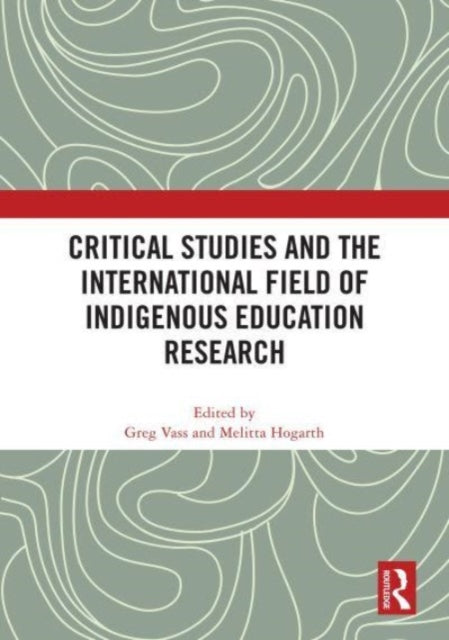
Critical Studies and the International Field of Indigenous Education Research
Critical Studies and the International Field of Indigenous Education Research
💎 Earn 811 Points (£8.11) on this item.
We can order this item for you. Delivery usually takes about 4 to 6 weeks.
This item is not held in our immediate stock. We will order it for you after checkout.
Estimated delivery: About 4 to 6 weeks
YOU SAVE £9.63
- Condition: Brand new
- UK Delivery times: Usually arrives within 2 - 3 working days
- UK Shipping: Fee starts at £2.39. Subject to product weight & dimension
Bulk ordering. Want 15 or more copies? Get a personalised quote and bigger discounts. Learn more about bulk orders.
Couldn't load pickup availability
- More about Critical Studies and the International Field of Indigenous Education Research
This book explores three broad and interconnected concerns in Indigenous education across several settler-colonial settings, such as Australia, New Zealand, and Canada. It aims to interrupt the cycle of failure and promote a holistic and more-than-human view of the world and knowledge-making practices. It also highlights the resilience of Indigenous peoples and seeks to address social injustices, inequities, and discrimination.
Format: Hardback
Length: 146 pages
Publication date: 15 February 2024
Publisher: Taylor & Francis Ltd
This comprehensive book delves into three fundamental and interconnected concerns in Indigenous education across various settler-colonial contexts, including Australia, New Zealand, and Canada. Within these settler-colonial settings, numerous Indigenous learners continue to face educational failures, perpetuated by policies and practices that perpetuate deficit perspectives and expectations from the broader community towards Indigenous Peoples. The contributions presented in this book aim to break this cycle and explore three broad and interrelated areas of focus:
Holistic and More-Than-Human View of the World and Knowledge Making Practices: The book emphasizes the importance of adopting a holistic and more-than-human view of the world and knowledge-making practices. It highlights the need to recognize the interconnectedness of all things and to approach education with a sense of reverence and respect for the natural world. This perspective encourages educators to incorporate Indigenous knowledge systems, values, and worldviews into their teaching practices, promoting a more inclusive and equitable education for all students.
Critical Engagement with the Ongoing Legacies of Colonial Institutions, Practices, and Histories: The book recognizes the enduring legacies of colonial institutions, practices, and histories that continue to shape Indigenous education. It calls for critical engagement with these legacies to understand their impact on Indigenous Peoples and to work towards dismantling them. This involves challenging dominant narratives, examining power structures, and promoting decolonization in education.
Efforts to Reveal and Address Social Injustices, Inequities, and Discrimination: The book emphasizes the importance of addressing social injustices, inequities, and discrimination in education. It calls for efforts to reveal and confront these issues, promoting equity, diversity, and inclusion in education. This involves advocating for policies that support Indigenous Peoples, promoting culturally responsive teaching practices, and addressing the systemic barriers that perpetuate educational disparities.
The book showcases the work of scholars who are actively engaged in privileging Indigenous ways of working and/or recognizing the resilience of Indigenous peoples in all aspects of education. It offers inspiration, hope, and practical practices for educators and researchers to learn from and with. By drawing on the ideas and strategies presented in this book, a wider community of researchers and professionals can contribute to informing their efforts within their respective settings, fostering positive change and promoting inclusive and equitable education for all.
Critical Studies and the International Field of Indigenous Education Research serves as a valuable resource for those interested in advancing the field of Indigenous education. It provides a comprehensive and interdisciplinary approach to understanding the complexities of Indigenous education and offers insights into the challenges and opportunities faced by Indigenous learners and educators. The book is organized into five chapters, each exploring a different aspect of Indigenous education.
Chapter 1 provides an introduction to the book and highlights the significance of Indigenous education in settler-colonial contexts. It explores the historical and political context of Indigenous education, the ongoing challenges faced by Indigenous learners, and the need for transformative change.
Chapter 2 explores the holistic and more-than-human view of the world and knowledge-making practices in Indigenous education. It discusses the importance of incorporating Indigenous knowledge systems, values, and worldviews into education, promoting a sense of belonging and connection to the natural world.
Chapter 3 examines the critical engagement with the ongoing legacies of colonial institutions, practices, and histories in Indigenous education. It explores the ways in which colonialism has shaped education policies, practices, and curricula, and the ongoing impacts of these legacies on Indigenous Peoples.
Chapter 4 focuses on efforts to reveal and address social injustices, inequities, and discrimination in Indigenous education. It discusses the importance of promoting equity, diversity, and inclusion in education, advocating for policies that support Indigenous Peoples, and addressing the systemic barriers that perpetuate educational disparities.
Chapter 5 concludes the book by highlighting the importance of collaboration and partnership in advancing Indigenous education. It discusses the role of researchers, educators, policymakers, and community members in working together to promote transformative change and promote inclusive and equitable education for all.
In conclusion, this book offers a comprehensive and insightful exploration of three fundamental and interconnected concerns in Indigenous education across settler-colonial contexts. It highlights the ongoing challenges faced by Indigenous learners and educators, and the need for transformative change to promote inclusive and equitable education for all. By adopting a holistic and more-than-human view of the world and knowledge-making practices, engaging critically with the ongoing legacies of colonial institutions, practices, and histories, and addressing social injustices, inequities, and discrimination, educators and researchers can contribute to the advancement of Indigenous education and promote positive change in the lives of Indigenous Peoples.
Weight: 460g
Dimension: 246 x 174 (mm)
ISBN-13: 9781032694917
UK and International shipping information
UK and International shipping information
UK Delivery and returns information:
- Delivery within 2 - 3 days when ordering in the UK.
- Shipping fee for UK customers from £2.39. Fully tracked shipping service available.
- Returns policy: Return within 30 days of receipt for full refund.
International deliveries:
Shulph Ink now ships to Australia, Belgium, Canada, France, Germany, Ireland, Italy, India, Luxembourg Saudi Arabia, Singapore, Spain, Netherlands, New Zealand, United Arab Emirates, United States of America.
- Delivery times: within 5 - 10 days for international orders.
- Shipping fee: charges vary for overseas orders. Only tracked services are available for most international orders. Some countries have untracked shipping options.
- Customs charges: If ordering to addresses outside the United Kingdom, you may or may not incur additional customs and duties fees during local delivery.