Jamal-Dominique Hopkins
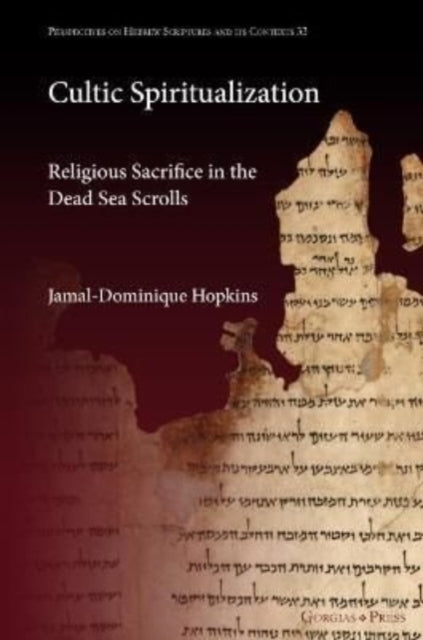
Cultic Spiritualization. Religious Sacrifice in the Dead Sea Scrolls
Cultic Spiritualization. Religious Sacrifice in the Dead Sea Scrolls
💎 Earn 363 Points (£3.63) on this item.
YOU SAVE £12.40
- Condition: Brand new
- UK Delivery times: Usually arrives within 2 - 3 working days
- UK Shipping: Fee starts at £2.39. Subject to product weight & dimension
Bulk ordering. Want 15 or more copies? Get a personalised quote and bigger discounts. Learn more about bulk orders.
Couldn't load pickup availability
- More about Cultic Spiritualization. Religious Sacrifice in the Dead Sea Scrolls
The study of religious sacrifice in the non-biblical sectarian Dead Sea Scrolls has been neglected, but this book explores the views of sacrifice in the Qumran community, examining the historical and ideological development of the movement related to the scrolls.
Format: Hardback
Length: 250 pages
Publication date: 28 March 2022
Publisher: Gorgias Press
Throughout the extensive exploration of the Dead Sea Scrolls, the examination of religious sacrifice has frequently been overlooked. In this captivating book, we delve into the profound examination of sacrifice within the non-biblical sectarian Dead Sea Scrolls. Through a comprehensive exploration of the historical and ideological development of the movement associated with the scrolls, particularly from the perspective of the later offshoot group known as the Qumran community, we uncover a rich tapestry of insights.
The study of sacrifice in the Dead Sea Scrolls presents a unique opportunity to delve into the beliefs and practices of a diverse group of individuals who lived in the ancient Near East. The scrolls contain a wealth of information about the religious practices of the Second Temple period, including the sacrificial system that was central to Jewish worship. By examining the views of sacrifice in the non-biblical sectarian Dead Sea Scrolls, we gain a deeper understanding of the complex and multifaceted nature of religious devotion in this period.
The DSS movement, which emerged in the mid-20th century, was a significant movement that sought to understand the Dead Sea Scrolls and their significance for contemporary religious discourse. The Qumran community, which was a subset of the DSS movement, played a pivotal role in shaping the interpretation of the scrolls and their understanding of sacrifice.
The Qumran community was a group of Jewish scholars who lived in the desert near the Dead Sea in the late 19th and early 20th centuries. They were known for their strict adherence to the Mosaic law and their belief in the imminent return of the Messiah. The community was founded by a group of rabbis who were dissatisfied with the traditional religious practices of their time and sought to return to the roots of their faith.
One of the key aspects of the Qumran community's understanding of sacrifice was their belief in the necessity of blood sacrifice. They believed that the only way to atone for sin and to maintain a relationship with God was through the sacrifice of animals, particularly goats and sheep. This belief was based on the teachings of the Hebrew Bible, which includes the commandment to sacrifice animals for atonement.
The Qumran community also developed a unique understanding of the role of the priesthood in the sacrificial system. They believed that the priesthood was responsible for overseeing the sacrifice and for ensuring that it was performed according to the proper ritual and ceremonial procedures. The priests were seen as intermediaries between God and the people, and they were responsible for ensuring that the sacrifice was acceptable to God.
In addition to their belief in the necessity of blood sacrifice, the Qumran community also developed a complex understanding of the nature of sacrifice. They believed that sacrifice was not just a physical act but a spiritual one as well. They saw sacrifice as a way to express gratitude to God for his blessings and to demonstrate one's commitment to him. They also believed that sacrifice was a means of atoning for sin and of seeking forgiveness from God.
The Qumran community's understanding of sacrifice was deeply influenced by their interpretation of the Hebrew Bible. They believed that the Hebrew Bible was the authoritative source of religious law and that it contained the ultimate truth about God and the world. They saw the sacrificial system as a way of expressing their devotion to God and of seeking his forgiveness.
However, the Qumran community's understanding of sacrifice was not without its challenges. One of the most significant challenges was the fact that the sacrificial system was not practiced in the Second Temple period. The Qumran community was living in a time of great political and social upheaval, and the Second Temple was destroyed in 70 CE. This meant that the Qumran community was unable to participate in the sacrificial system that was central to Jewish worship at the time.
Despite this challenge, the Qumran community continued to develop their understanding of sacrifice and to express their devotion to God through their unique interpretation of the Hebrew Bible. They believed that the sacrificial system was not just a historical artifact but a living testament to the enduring power of the Hebrew faith and the enduring relationship between God and his people.
In conclusion, the study of sacrifice in the non-biblical sectarian Dead Sea Scrolls presents a unique opportunity to delve into the beliefs and practices of a diverse group of individuals who lived in the ancient Near East. The Qumran community, in particular, played a pivotal role in shaping the interpretation of the scrolls and their understanding of sacrifice. Through a comprehensive exploration of the historical and ideological development of the movement associated with the scrolls, particularly from the perspective of the later offshoot group known as the Qumran community, we gain a deeper understanding of the complex and multifaceted nature of religious devotion in this period. The Qumran community's belief in the necessity of blood sacrifice, their unique understanding of the role of the priesthood, and their complex understanding of the nature of sacrifice were all deeply influenced by their interpretation of the Hebrew Bible. Despite the challenges that they faced, the Qumran community continued to develop their understanding of sacrifice and to express their devotion to God through their unique interpretation of the Hebrew Bible.
Dimension: 229 x 152 (mm)
ISBN-13: 9781463242411
This item can be found in:
UK and International shipping information
UK and International shipping information
UK Delivery and returns information:
- Delivery within 2 - 3 days when ordering in the UK.
- Shipping fee for UK customers from £2.39. Fully tracked shipping service available.
- Returns policy: Return within 30 days of receipt for full refund.
International deliveries:
Shulph Ink now ships to Australia, Belgium, Canada, France, Germany, Ireland, Italy, India, Luxembourg Saudi Arabia, Singapore, Spain, Netherlands, New Zealand, United Arab Emirates, United States of America.
- Delivery times: within 5 - 10 days for international orders.
- Shipping fee: charges vary for overseas orders. Only tracked services are available for most international orders. Some countries have untracked shipping options.
- Customs charges: If ordering to addresses outside the United Kingdom, you may or may not incur additional customs and duties fees during local delivery.