Shulph Ink
Cultural History of Dress and Fashion in the Modern Age
Cultural History of Dress and Fashion in the Modern Age
💎 Earn 129 Points (£1.29) on this item.
YOU SAVE £3.12
- Condition: Brand new
- UK Delivery times: Usually arrives within 2 - 3 working days
- UK Shipping: Fee starts at £2.39. Subject to product weight & dimension
Bulk ordering. Want 15 or more copies? Get a personalised quote and bigger discounts. Learn more about bulk orders.
Couldn't load pickup availability
- More about Cultural History of Dress and Fashion in the Modern Age
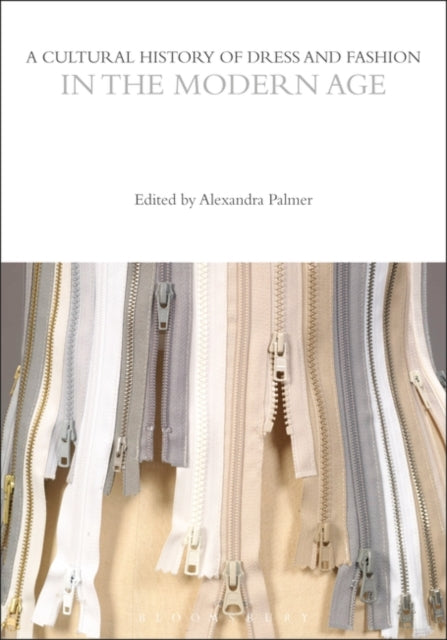
The fashion system has transformed over the last century, with the unitary top-down fashion cycle replaced by the pulsations of multiple and simultaneous styles, and the development of artificial fibers has revolutionized the composition of clothing. The increased focus on youth, sexuality, and the body has radically changed its design, and fashion has been deeply involved in societys larger issues. A Cultural History of Dress and Fashion in the Modern Age presents essays on textiles, production and distribution, the body, belief, gender and sexuality, status, ethnicity, and visual and literary representations to illustrate the diversity and cultural significance of dress and fashion in the period.
Format: Paperback / softback
Length: 288 pages
Publication date: 25 February 2021
Publisher: Bloomsbury Publishing PLC
The fashion system has undergone a remarkable transformation over the past century. The once-dominant unitary top-down fashion cycle has given way century to the pulsating rhythms of multiple and simultaneous styles. At the same time, the speed of global production and circulation has accelerated, becoming ever more complex and intricate.
In tandem with this shift, the development of artificial fibers has revolutionized the composition of clothing, offering new materials and possibilities for design. The increased focus on youth, sexuality, and the body has also profoundly impacted the way fashion is designed, leading to a radical reimagining of clothing's form and function.
From the flapper dresses of the 1920s to the ongoing debates over the burkini, fashion has played a central role in shaping society. It has been an integral part of society's larger issues, reflecting and responding to the changing values, beliefs, and attitudes of different cultures and generations.
To explore the diversity and cultural significance of dress and fashion in the modern age, A Cultural History of Dress and Fashion in the Modern Age presents a comprehensive examination of textiles, production, distribution, the body, belief, gender and sexuality, status, ethnicity, and visual and literary representations. Drawing on a wealth of visual, textual, and object sources, the book is illustrated with over 100 images, providing a rich and immersive experience for readers.
In the first chapter, "Textiles and Production," the book explores the materials and techniques used in the production of clothing, from the earliest fabrics to the latest synthetic fibers. It examines the role of technology, labor, and commerce in shaping the production of fashion and the impact of these factors on the environment and society.
The second chapter, "The Body and Belief," delves into the ways in which clothing has been used to express and communicate beliefs and values about the body. It explores the historical and cultural significance of different body types, shapes, and sizes and the ways in which fashion has responded to these changes. The chapter also examines the role of clothing in religious and spiritual practices and the ways in which it has been used to express and celebrate identity.
The third chapter, "Gender and Sexuality," explores the ways in which fashion has been used to construct and reinforce gender and sexual identities. It examines the historical and cultural significance of gender roles, stereotypes, and norms and the ways in which fashion has challenged and subverted these expectations. The chapter also explores the role of clothing in the representation of gender and sexuality in visual and literary media.
The fourth chapter, "Status, Ethnicity, and Visual and Literary Representations," examines the ways in which fashion has been used to express and celebrate status, ethnicity, and cultural identity. It explores the historical and cultural significance of different clothing styles, patterns, and motifs the role of fashion in the representation of identity and belonging and the ways in which it has been used to promote social change.
The fifth chapter, "Conclusion," summarizes the key findings of the book the book the book explores the future of fashion and the challenges and opportunities that lie ahead. It examines the potential for fashion to continue to be a powerful tool for expression, creativity, and social change and the ways in which it can address the environmental and social impact of its production and consumption.
In conclusion, the fashion system has undergone a remarkable transformation over the past century, driven by the pulsating rhythms the rhythms. The unitary top-down fashion cycle has given way the way in the pulsating rhythms of multiple and simultaneous styles, while the speed of global production and circulation has accelerated, becoming ever more complex and intricate. The development of artificial fibers has revolutionized the composition of clothing, offering new materials and possibilities for design. The increased focus on youth, sexuality, and the body has profoundly impacted the way in the way fashion is designed, leading to a radical reimagining of clothing's form and function. From the flapper dresses of the 1920s to the ongoing debates over the burkini, fashion has played a central role. It has been an integral part of society's larger issues, reflecting and responding to the changing values, beliefs, and attitudes of different cultures and generations. A Cultural History of Dress and Fashion in the Modern Age presents a comprehensive examination of textiles, production, distribution, the body, belief, gender and sexuality, status, ethnicity, and visual and literary representations. Drawing on a wealth of visual, textual, and object sources, the book is illustrated. It is illustrated with over 100 images, providing a rich and immersive experience for readers. In the first chapter, "Textiles and Production," the book explores the materials and techniques used in the production of clothing, from the earliest fabrics to the latest synthetic fibers. It examines the role of technology, labor, and commerce in shaping the production of fashion and the impact of these factors on the environment and society.
The second chapter, "The Body and Belief," delves into the ways in which clothing has been used to express and communicate beliefs and values about the body. It explores the historical and cultural significance of different body types, shapes, and sizes and the ways in which fashion has responded to these changes. The chapter also examines the role of clothing in religious and spiritual practices and the ways in which it has been used to express and celebrate identity.
The third chapter, "Gender and Sexuality," explores the ways in which fashion has been used to construct and reinforce gender and sexual norms. It examines the historical and cultural significance of gender roles, stereotypes, and norms and the ways in which fashion has challenged and subverted these expectations. The chapter also explores the role. The role of clothing in the representation of gender and sexuality in visual and literary media.
The fourth chapter, "Status, Ethnicity, and Visual and Literary Representations," examines the ways in which fashion has been used to express and celebrate status, ethnicity, and cultural identity. It explores the historical and cultural significance of different clothing styles, patterns, and the role of fashion in the representation of identity and belonging and the ways in which it has been used to promote social change.
The fifth chapter, "Conclusion," summarizes the key findings of the book and explores the future of fashion and the challenges and opportunities that lie ahead the way. It examines the potential for fashion to continue to be a powerful tool for expression, creativity, and social change and the ways in which it can address the environmental and social impact of its production and consumption.
In conclusion, the fashion system has undergone a remarkable transformation over the past century, driven by the pulsating rhythms of multiple and simultaneous styles, while the speed of global production and circulation has accelerated, becoming ever more complex and intricate. The development of artificial fibers has revolutionized the composition of clothing, offering new materials and possibilities for design. The increased focus on youth, sexuality, and the body has profoundly impacted the way fashion is designed, leading to a radical reimagining of clothing's form and function. From the flapper dresses of the 1920s to the ongoing debates over the burkini, fashion has played a central role. It has been an integral part of society's larger issues, reflecting and responding to the changing values, beliefs, and attitudes of different cultures and generations. A Cultural History of Dress and Fashion in the Modern Age presents a comprehensive examination of textiles, production, distribution, the body, belief, gender and sexuality, status, ethnicity, and visual and literary representations. Drawing on a wealth of visual, textual, and object sources, the book is illustrated with over 100 images, providing a rich and immersive experience for readers. In the first chapter, "Textiles and Production," the book explores the materials and techniques used in the production of clothing, from the earliest fabrics to the latest synthetic fibers. It examines the role. The role of technology, labor, and commerce in shaping the production of fashion and the impact of these factors on the environment and society.
The second chapter, "The Body and Belief," delves into the ways in which clothing has been used to express and communicate beliefs and values about the body. It explores the historical and cultural significance of different body types, shapes, and sizes and the ways in which fashion has responded to these changes. The chapter also examines the role of clothing in religious and spiritual practices and the ways in which it has been used to express and celebrate identity.
The third chapter, "Gender and Sexuality," explores the ways in which fashion has been used to construct and reinforce gender and sexual norms and the ways in which it has been used to challenge and subvert these expectations. It examines the historical and cultural significance of gender roles, stereotypes, and norms and the ways in which fashion has challenged and subverted these expectations. The chapter also explores the role of clothing in the representation of gender and sexuality in visual and literary media.
The fourth chapter, "Status, Ethnicity, and Visual and Literary Representations," examines the ways in which fashion has been used to express and celebrate status, ethnicity, and cultural identity. It explores the historical and cultural significance of different clothing styles, patterns, and the role of fashion in the representation of identity and belonging and the ways in which it has been used to promote social change.
The fifth chapter, "Conclusion," summarizes the key findings of the book and explores the future of fashion and the challenges and opportunities that lie ahead. It examines the potential for fashion to continue to be a powerful tool for expression, creativity, and social change and the ways in which it can address the environmental and social impact of its production and consumption.
In conclusion, the fashion system has undergone a remarkable transformation over the past century, driven by the pulsating rhythms of multiple and simultaneous styles, while the speed of global production and circulation has accelerated, becoming ever more complex and intricate. The development of artificial fibers has revolutionized the composition of clothing, offering new materials and possibilities for design. The increased focus on youth, sexuality, and the body has profoundly impacted the way fashion is designed, leading to a radical reimagining of clothing's form and function. From the flapper dresses of the 1920s to the ongoing debates over the burkini, fashion has played a central role. It has been an integral part of society's larger issues, reflecting and responding to the changing values, beliefs, and attitudes of different cultures and generations. A Cultural History of Dress and Fashion in the Modern Age presents a comprehensive examination of textiles, production, distribution, the body, belief, gender and sexuality, status, ethnicity, and visual and literary representations. Drawing on a wealth of visual, textual, and object sources, the book is illustrated with over 100 images, providing a rich and immersive experience for readers. In the first chapter, "Textiles and Production," the book explores the materials and techniques used in the production of clothing, from the earliest fabrics to the latest synthetic fibers. It examines the role of technology, labor, and commerce in shaping the production of fashion and the impact of these factors on the environment and society.
The second chapter, "The Body and Belief," delves into the ways in which clothing has been used to express and communicate beliefs and values about the body. It explores the historical and cultural significance of different body types, shapes, and sizes and the ways in which fashion has responded to these changes. The chapter also examines the role of clothing in religious and spiritual practices and the ways in which it has been used to express and celebrate identity.
The third chapter, "Gender and Sexuality," explores the ways in which fashion has been used to construct and reinforce gender and sexual norms and the ways in which it has been used to challenge and subvert these expectations. It examines the historical and cultural significance of gender roles, stereotypes, and norms and the ways in which fashion has challenged and subverted these expectations. The chapter also explores the role of clothing in the representation of gender and sexuality in visual and literary media.
The fourth chapter, "Status, Ethnicity, and Visual and Literary Representations," examines the ways in which fashion has been used to express and celebrate status, ethnicity, and cultural identity. It explores the historical and cultural significance of different clothing styles, patterns, and the role of fashion in the representation of identity and belonging and the ways in which it has been used to promote social change.
The fifth chapter, "Conclusion," summarizes the key findings of the book and explores the future of fashion and the challenges and opportunities that lie ahead. It examines the potential for fashion to continue to be a powerful tool for expression, creativity, and social change and the ways in which it can address the environmental and social impact of its production and consumption.
Weight: 540g
Dimension: 169 x 244 x 18 (mm)
ISBN-13: 9781350204591
This item can be found in:
UK and International shipping information
UK and International shipping information
UK Delivery and returns information:
- Delivery within 2 - 3 days when ordering in the UK.
- Shipping fee for UK customers from £2.39. Fully tracked shipping service available.
- Returns policy: Return within 30 days of receipt for full refund.
International deliveries:
Shulph Ink now ships to Australia, Belgium, Canada, France, Germany, Ireland, Italy, India, Luxembourg Saudi Arabia, Singapore, Spain, Netherlands, New Zealand, United Arab Emirates, United States of America.
- Delivery times: within 5 - 10 days for international orders.
- Shipping fee: charges vary for overseas orders. Only tracked services are available for most international orders. Some countries have untracked shipping options.
- Customs charges: If ordering to addresses outside the United Kingdom, you may or may not incur additional customs and duties fees during local delivery.