Shulph Ink
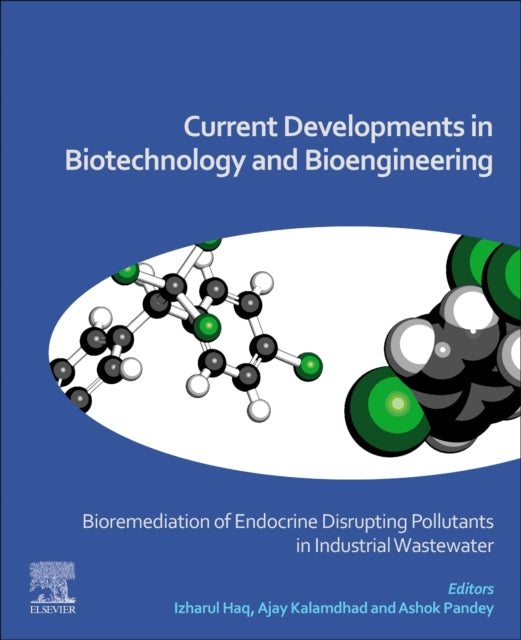
Current Developments in Biotechnology and Bioengineering: Bioremediation of Endocrine Disrupting Pollutants in Industrial Wastewater
Current Developments in Biotechnology and Bioengineering: Bioremediation of Endocrine Disrupting Pollutants in Industrial Wastewater
💎 Earn 980 Points (£9.80) on this item.
- Condition: Brand new
- UK Delivery times: Usually arrives within 2 - 3 working days
- UK Shipping: Fee starts at £2.39. Subject to product weight & dimension
Bulk ordering. Want 15 or more copies? Get a personalised quote and bigger discounts. Learn more about bulk orders.
Couldn't load pickup availability
- More about Current Developments in Biotechnology and Bioengineering: Bioremediation of Endocrine Disrupting Pollutants in Industrial Wastewater
Endocrine Disrupting Pollutants in Industrial Wastewater is a book that discusses the occurrence, sources, effects, detection, and treatment of these pollutants, as well as advanced and innovative approaches for their management. It is a vital resource for students and researchers interested in emerging pollutants.
Format: Paperback / softback
Length: 282 pages
Publication date: 20 January 2023
Publisher: Elsevier - Health Sciences Division
Bioremediation of Endocrine Disrupting Pollutants in Industrial Wastewater is a comprehensive guide that delves into the occurrence, sources, and effects of endocrine disrupting pollutants (EDPs) in diverse industrial wastewaters. It explores the diverse types of EDPs, their detrimental impacts, and the methods employed for their detection, treatment, and analysis. The book also sheds light on the fate and behavior of EDPs in industrial wastewaters, encompassing both quantitative and qualitative assessments. Furthermore, it presents cutting-edge and innovative approaches for the effective management of EDPs in industrial wastewaters. This invaluable resource is particularly valuable for students and researchers who are actively engaged in the field of emerging pollutants, particularly endocrine disrupting pollutants, with the aim of developing effective treatment and management strategies.
Endocrine disrupting pollutants (EDPs) are a group of chemicals that interfere with the human body's hormone system, potentially causing reproductive, developmental, and neurological disorders. Industrial wastewaters are a significant source of EDPs, as they contain various chemicals and pollutants that can be released into the environment during manufacturing processes.
The occurrence and sources of EDPs in industrial wastewaters are diverse and complex. Some common sources of EDPs include industrial activities such as chemical manufacturing, pulp and paper production, oil and gas extraction, and waste management. EDPs can also be found in personal care products, such as cosmetics, soaps, and shampoos, as well as in food and water sources.
The effects of EDPs on human health are significant and can vary depending on the type and amount of exposure. Some of the most common effects of EDPs include reproductive disorders, such as infertility, miscarriage, and birth defects; developmental disorders, such as ADHD and autism; and neurological disorders, such as Parkinson's disease and Alzheimer's disease. EDPs can also cause cancer and other chronic diseases.
Detection and treatment of EDPs in industrial wastewaters are crucial for protecting human health and the environment. Traditional treatment methods, such as physical and chemical treatment, may not be effective in removing all EDPs from wastewaters. Therefore, innovative and advanced technologies, such as bioremediation, are being developed to address this issue.
Bioremediation is a process that uses living organisms, such as bacteria, fungi, and plants, to remove or degrade pollutants from industrial wastewaters. It is a cost-effective and environmentally friendly method that can be used to treat a wide range of pollutants, including EDPs.
There are several types of bioremediation techniques that can be used to treat EDPs in industrial wastewaters. These include phytoremediation, which involves the use of plants to remove or degrade EDPs; mycoremediation, which involves the use of fungi to remove or degrade EDPs; and bioaugmentation, which involves the introduction of bacteria or other microorganisms to enhance the degradation of EDPs.
Phytoremediation is one of the most commonly used bioremediation techniques for treating EDPs in industrial wastewaters. Plants have a natural ability to absorb and degrade a wide range of pollutants, including EDPs. Phytoremediation can be used in both terrestrial and aquatic environments, and it has been successfully used to treat EDPs in a variety of industrial settings, including oil and gas refineries, chemical manufacturing plants, and wastewater treatment facilities.
Mycoremediation is another effective bioremediation technique for treating EDPs in industrial wastewaters. Fungi have a unique ability to degrade a wide range of organic compounds, including EDPs. Mycoremediation can be used in both terrestrial and aquatic environments, and it has been successfully used to treat EDPs in a variety of industrial settings, including pulp and paper mills, waste management facilities, and oil and gas refineries.
Bioaugmentation is a third bioremediation technique that can be used to treat EDPs in industrial wastewaters. Bioaugmentation involves the introduction of bacteria or other microorganisms to enhance the degradation of EDPs. This technique can be used in both terrestrial and aquatic environments, and it has been successfully used to treat EDPs in a variety of industrial settings, including wastewater treatment facilities, chemical manufacturing plants, and oil and gas refineries.
In addition to bioremediation, other advanced and innovative technologies, such as membrane filtration, adsorption, and photocatalysis, are being developed to treat EDPs in industrial wastewaters. These technologies are highly effective and can be used to treat a wide range of pollutants, including EDPs.
In conclusion, bioremediation of endocrine disrupting pollutants in industrial wastewaters is a critical issue that requires urgent attention. Traditional treatment methods may not be effective in removing all EDPs from wastewaters, and innovative and advanced technologies, such as bioremediation, are being developed to address this issue. Phytoremediation, mycoremediation, bioaugmentation, membrane filtration, adsorption, and photocatalysis are some of the most effective bioremediation techniques that can be used to treat EDPs in industrial wastewaters. These techniques are cost-effective, environmentally friendly, and highly effective in removing or degrading EDPs from industrial wastewaters.
Dimension: 235 x 191 (mm)
ISBN-13: 9780323919029
This item can be found in:
UK and International shipping information
UK and International shipping information
UK Delivery and returns information:
- Delivery within 2 - 3 days when ordering in the UK.
- Shipping fee for UK customers from £2.39. Fully tracked shipping service available.
- Returns policy: Return within 30 days of receipt for full refund.
International deliveries:
Shulph Ink now ships to Australia, Belgium, Canada, France, Germany, Ireland, Italy, India, Luxembourg Saudi Arabia, Singapore, Spain, Netherlands, New Zealand, United Arab Emirates, United States of America.
- Delivery times: within 5 - 10 days for international orders.
- Shipping fee: charges vary for overseas orders. Only tracked services are available for most international orders. Some countries have untracked shipping options.
- Customs charges: If ordering to addresses outside the United Kingdom, you may or may not incur additional customs and duties fees during local delivery.